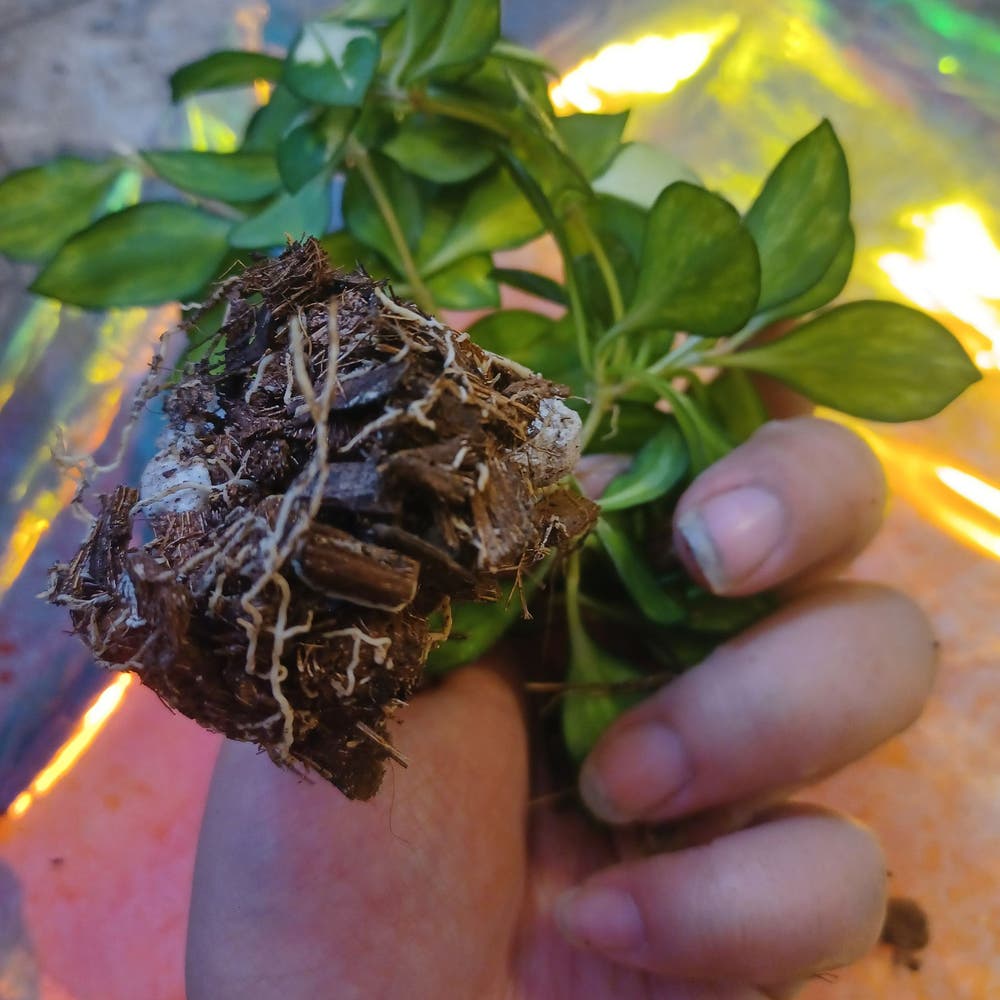
Variegated Hoya Heuschkeliana Humidity
Hoya heuschkeliana 'Variegata'
By the Greg Editorial Team
Jun 18, 2024•3 min read
This article was created with the help of AI so we can cover more plants for you. May contain errors. See one? Report it here.
- 60% relative humidity is ideal for Variegated Hoya heuschkeliana.
- 🌱 Crispy or mushy leaves? Check and adjust humidity levels.
- Hygrometers help monitor; humidifiers or dehumidifiers adjust the environment.
What's the Deal with Humidity for Your Variegated Hoya heuschkeliana?
💧 Absolute and Relative Humidity: A Quick Run-Through
Humidity isn't just a buzzword; it's the lifeblood of your Variegated Hoya heuschkeliana. Absolute humidity is the raw measure of water vapor in the air—think of it as the moisture content's weight. Relative humidity, on the other hand, is what your plant feels. It's a percentage that expresses how full the air is of water vapor, compared to its maximum capacity at a given temperature.
The Sweet Spot: Ideal Humidity Levels for Your Plant
Your Variegated Hoya heuschkeliana is a bit of a diva when it comes to humidity. The sweet spot? Aim for around 60% relative humidity. If your plant could talk, it would tell you that's where it's most comfortable.
But how do you know if your plant is having a humidity crisis? Crispy leaves are a telltale sign that your air is too dry, while mushy leaves scream 'too damp!' Keep an eye out for these symptoms—they're your plant's way of waving a red flag.

Keeping It Humid: Tips and Tricks
💦 Boosting Humidity for Tropical Bliss
Pebble trays are a simple yet effective way to increase humidity. Just place a layer of pebbles in a tray, add water, and set your plant on top. The water evaporates, creating a more humid microclimate without the plant's roots sitting in water.
Misting can offer a quick humidity fix, but it's more of a temporary relief than a long-term solution. Over-misting can lead to leaf issues, so use this method sparingly.
For those ready to commit, a humidifier can be a game-changer. It's like a personal weather system for your plant, allowing you to dial in the exact humidity level needed for that lush, tropical feel.
🌬️ When It's Too Muggy: Bringing Humidity Down
Good ventilation is crucial when the air gets too thick. A strategic breeze from a fan or an open window can work wonders in reducing humidity.
If you're dealing with a consistently muggy environment, a dehumidifier might be your best bet. It's like a vacuum for excess moisture, ensuring your plant doesn't suffer from the indoor equivalent of a rainforest downpour.
Remember, balance is key. Keep an eye on your Variegated Hoya heuschkeliana and adjust your humidity strategies as needed. Your plant's vibrant growth will be your reward.

Measuring and Adjusting: Tools of the Trade
💧 Hygrometers and Humidity Monitors
Hygrometers are the unsung heroes in the world of plant care, offering a digital window into the unseen world of air moisture. To get the most out of this gadget, place it near your Variegated Hoya heuschkeliana, but in a spot that's safe from the misleading rays of direct sunlight and the treacherous currents of drafts. For those who love a good gadget, opt for a hygrometer with a memory function to track the highs and lows of your indoor jungle's climate.
Responding to the Readings
When your hygrometer reads drier than a stand-up comedian's wit, it's time to turn up the humidity. Conversely, if it's showing a mini rainforest vibe, dial it back. Use the readings to adjust your care routine—like a plant DJ spinning the dials to get the perfect atmosphere. Remember, your plant's comfort zone is a humidity level that doesn't swing more wildly than your mood on a Monday morning.

⚠️ Safety First
This content is for general information and may contain errors, omissions, or outdated details. It is not medical, veterinary advice, or an endorsement of therapeutic claims.
Always consult a qualified healthcare professional before using any plant as food, medicine, or supplement.
Never eat any plant (or feed one to pets) without confirming its identity with at least two trusted sources.
If you suspect poisoning, call Poison Control (800) 222-1222, the Pet Poison Helpline (800) 213-6680, or your local emergency service immediately.
Spotted an error? Please report it here.
Maintain your Variegated Hoya heuschkeliana in lush health 🌱 with Greg's tailored humidity tracking and care alerts, ensuring your green buddy is always in its happy zone.