Why Are My Variegated Hoya heuschkeliana Leaves Droopy?
Hoya heuschkeliana 'Variegata'
By the Greg Editorial Team
Jun 18, 2024•5 min read
This article was created with the help of AI so we can cover more plants for you. May contain errors. See one? Report it here.
- Under/overwatering signs: Wrinkled or mushy leaves indicate watering issues.
- 🌡️🌿 Stable temps and humidity: 65-75°F and 40-60% for Hoya health.
- 🐜 Pest control: Isolate and treat with alcohol, soap, or neem oil.
Spotting the Signs: Is Your Hoya Underwatered or Overwatered?
🏜️ Symptoms of Underwatering
Wrinkled leaves on your Hoya heuschkeliana? That's the plant's equivalent of a parched throat. If the leaves are more droopy than a teenager on Monday morning, your Hoya is begging for a drink. And if you spot yellowing, it's not just changing seasons—it's a distress signal.
Leaf drop and stunted growth are your Hoya's way of saying, "I'm on a water diet, and it's not going well." And don't be fooled—root rot can be the plot twist in your underwatering saga. It's like calling in sick only to catch the flu at home.
🚰 Adjusting Your Watering Routine
Think of watering like a subtle art form—too little and your Hoya's a goner, too much and it's swimming with the fishes. Adjust your watering schedule with the finesse of a cat burglar—gentle, precise, and always attentive to the environment. Seasons change, and so should your watering habits.
💧 Symptoms of Overwatering
Yellow leaves and soggy soil are your Hoya waving a white flag. It's like throwing a pool party without a pool—everyone's just standing in mud. If the leaves feel as mushy as overripe fruit, you've overdone it with the hydration.
Root rot is the silent killer in the overwatering game. It's like inviting termites into a wooden house—before you know it, the foundation's gone. And if your Hoya's leaves are dropping like flies, it's time to rethink your relationship with the watering can.
🚱 Salvaging an Overwatered Hoya
Caught in the act of overwatering? Stop watering and let the soil dry out like a sunbather on a hot day. Move your Hoya to a brighter spot to speed up the drying process. If you suspect root rot, it's surgery time—remove the plant, cut away the bad roots, and repot in fresh, well-draining soil. Remember, cleanliness is next to godliness—sanitize that pot to avoid any unwelcome comebacks.

Getting the Environment Just Right
💡 Light and Temperature Needs
Bright, indirect sunlight is the gold standard for your Variegated Hoya heuschkeliana. It's the plant equivalent of a balanced diet. Too much sun, and you're at risk of leaf burn; too little, and your Hoya's growth could stall. Keep an eye on the light throughout the year, as the sun's intensity changes with the seasons.
Adjusting your plant's location can be as crucial as the thermostat setting in your home. Stable temperatures between 65-75°F (18-24°C) create a cozy haven for your Hoya. Steer clear of drafty spots and direct heat sources, which can cause your plant to throw a leafy tantrum.
💨 Humidity and Airflow Essentials
Humidity is the silent player in your Hoya's health. Aim for a humidity level of 40-60%; it's like setting the stage for a tropical paradise. Too dry, and your Hoya might start to look more like a dried bouquet.
Good airflow is the unsung hero, preventing your plant from becoming a fungal fiesta. But don't turn your home into a wind tunnel; a gentle breeze is all it takes. If your air is drier than a stand-up comedian's wit, consider a humidifier or group plants together to create a mini ecosystem.

The Foundation of Health: Soil and Roots
🌱 Choosing the Right Soil Mix
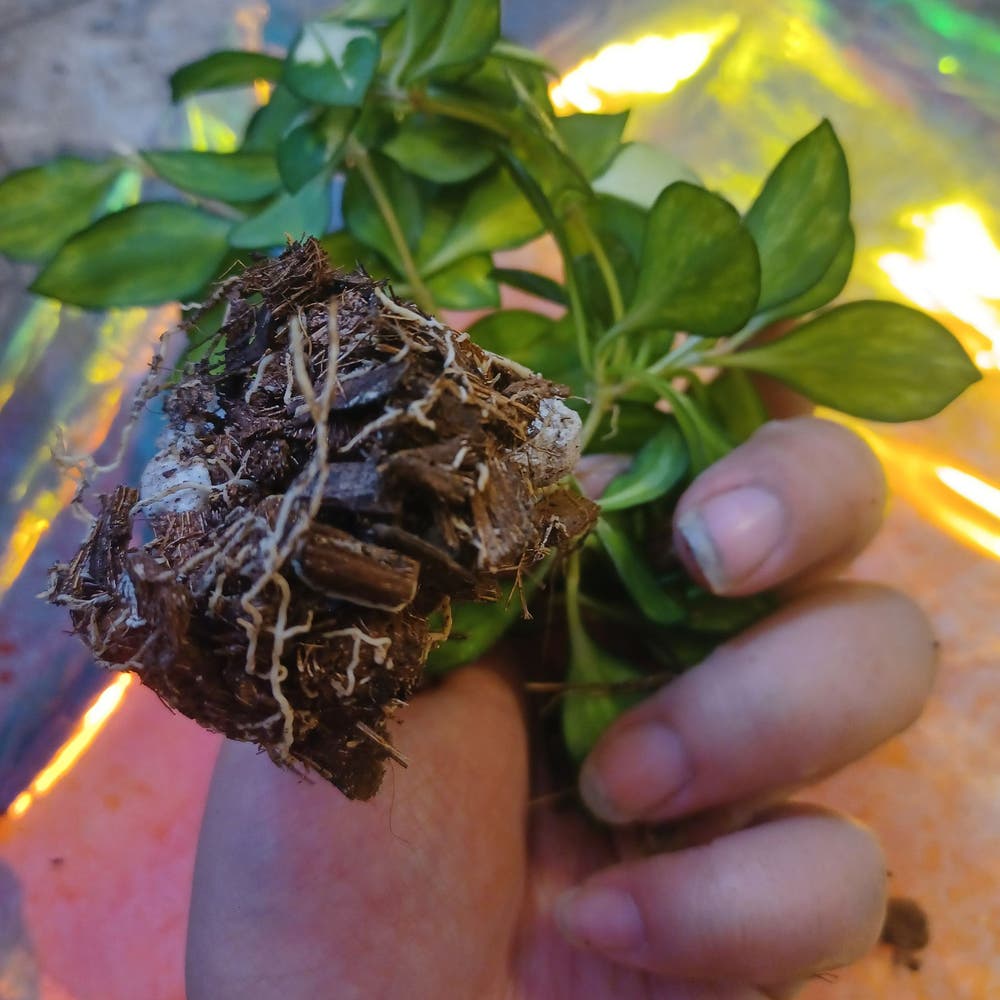
Your Variegated Hoya heuschkeliana is a bit of a diva when it comes to soil. It craves a mix that's like a gourmet meal: rich yet well-draining. Organic matter is key, but don't overdo it—think of it as seasoning, not the main course. Too much and you're setting the stage for root rot, the silent killer of many a houseplant.
When to refresh or change the soil? Listen to your plant. If growth has stalled or the leaves are looking sadder than a rainy Monday, it might be time for a soil spa day. Every couple of years, or when the soil seems compacted, give your Hoya a fresh start with new soil.
🌿 Potting and Drainage Tips
The pot is your Hoya's home, and you wouldn't want to live in a house without proper drainage, right? Ensure your pot has drainage holes; otherwise, you're inviting soggy soil to the party, and that's a party foul. A pot that's too big isn't doing your plant any favors either—it's like shouting in an empty room, and the roots just can't fill the space.
Remember, a happy Hoya is one with room to grow but not so much room that it gets lost. Aim for a pot that's the botanical equivalent of a cozy reading nook, not a cavernous hall.

When Unwanted Guests Cause Trouble: Pests and Diseases
🐛 Identifying Common Culprits
Pests can turn your Hoya heuschkeliana from a showpiece into a sorry sight. Mealybugs cozy up in leaf crevices, leaving a cottony trail. Spider mites are tiny acrobats, spinning fine webs as they feast on your plant. Aphids are the juice thieves, siphoning off the sweet lifeblood of your Hoya. Spot these pests? It's time for action.
💪 Effective Treatment Strategies
First, isolate your plant to stop the pest rave from spreading. Next, grab some rubbing alcohol or insecticidal soap and show those bugs the exit. For a more hands-off approach, neem oil is your go-to – it’s like setting up a no-fly zone. And don't forget, cleanliness is your plant's best friend. Keep those leaves dust-free to avoid unwanted pest parties. If you're dealing with a full-blown infestation, consider a systemic insecticide. But use it like a strong spice – sparingly and with care.
⚠️ Safety First
This content is for general information and may contain errors, omissions, or outdated details. It is not medical, veterinary advice, or an endorsement of therapeutic claims.
Always consult a qualified healthcare professional before using any plant as food, medicine, or supplement.
Never eat any plant (or feed one to pets) without confirming its identity with at least two trusted sources.
If you suspect poisoning, call Poison Control (800) 222-1222, the Pet Poison Helpline (800) 213-6680, or your local emergency service immediately.
Spotted an error? Please report it here.
Keep your Variegated Hoya heuschkeliana's leaves upright and vibrant 🌿 with Greg's personalized care reminders, ensuring you never over or underwater again.