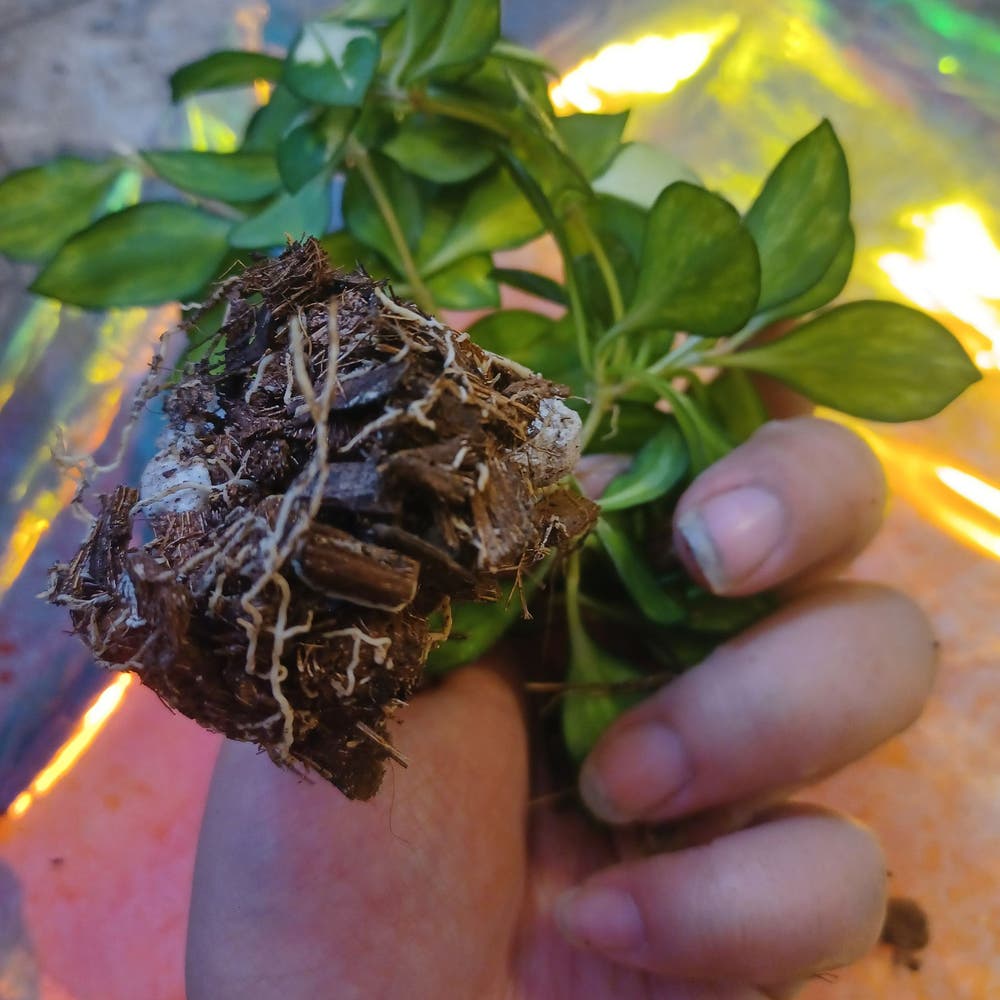
Choosing Fertilizer For My Variegated Hoya heuschkeliana
Hoya heuschkeliana 'Variegata'
By the Greg Editorial Team
Jun 18, 2024•4 min read
This article was created with the help of AI so we can cover more plants for you. May contain errors. See one? Report it here.
- N-P-K ratio matters: Nitrogen for leaves, phosphorus for blooms, potassium for health.
- Choose wisely: Liquid for quick feed, slow-release for gradual nutrition, organic for soil health.
- Seasonal timing: More in growth phases and summer, less in winter.
Picking the Perfect Fertilizer
💡 Understanding N-P-K Ratios
In the quest for a flourishing Variegated Hoya heuschkeliana, the N-P-K ratio is your roadmap. Nitrogen (N) is your leafy green guru, Phosphorus (P) the bloom booster, and Potassium (K) the overall health coach. Aim for a higher phosphorus mix, like a 5-10-5, to encourage those coveted flowers.
🍽️ Liquid vs. Slow-Release vs. Organic Options
Liquid fertilizers are the quick fixers, offering a rapid nutrient hit to your Hoya. They're great for a controlled diet but can lead to overindulgence if not measured correctly. Slow-release granules are the set-and-forget types, gradually dishing out nutrients, reducing the risk of overfeeding. Organic options are the eco-friendly buddies, slow to show results but champions at enhancing soil quality and fostering a microbe party underground.
📋 Reading the Labels
Deciphering fertilizer labels is less about cracking a code and more about knowing your plant's preferences. A balanced N-P-K ratio like 2-1-2 is a safe bet for consistent growth. But come bloom time, switch to a high-phosphorus menu to support those stunning flowers. Remember, the numbers on the label represent the percentage of each nutrient – balance is key, not brand loyalty.

Timing is Everything: When to Fertilize
🌱 Growth Phase Fertilizing
Tailoring fertilizer application to the Variegated Hoya heuschkeliana's growth stages is like hitting the right notes in a melody. Spring is the season of growth, making it the ideal time to introduce a balanced fertilizer, as new leaves unfurl and reach for the sun. During this phase, a higher phosphorus content can encourage more vigorous growth and prepare the plant for a stunning floral display.
🍂 Seasonal Adjustments
As seasons shift, so should your fertilization strategy. Summer may call for monthly applications, aligning with the Hoya's growth spurt. It's like giving your plant a consistent dose of growth hormone. But as autumn whispers in, it's time to dial back. Winter is the Hoya's time to rest, and over-fertilizing during this period is as unwelcome as a snowstorm in July. Keep an eye on your plant; if it's still pushing out new growth despite the chill, a light feeding may be in order. But if it's snoozing, let it sleep without extra nutrients.

Fertilizer Application: Doing it Right
💧 Dilution and Distribution
Half-strength is the mantra when it comes to liquid fertilizers for your Variegated Hoya heuschkeliana. Think of it as a light, nutritious snack rather than a full meal. Dilute the recommended dose on the package by 50% to avoid overwhelming your plant with nutrients. Apply this diluted solution monthly during the active growing season, ensuring the soil is moist to prevent root burn.
🌱 Incorporating Fertilizers into the Soil
When using slow-release fertilizers, consider it a set-it-and-forget-it approach. These fertilizers are your plant's long-term companions, releasing nutrients gradually over time. To apply, sprinkle the granules on top of the soil or mix them in lightly, being careful not to disturb the root system. This method reduces the risk of nutrient overload and provides a steady diet for your Hoya's growth. Remember, less is often more; overzealousness with fertilizers can lead to a buildup of salts that your plant will not thank you for.

Recognizing and Fixing Over-Fertilization
🚨 Spotting Trouble
Over-fertilization can turn your Variegated Hoya heuschkeliana from a tropical charmer to a wilted wallflower. Yellowing leaves, browning at the tips, or a white crust of salt on the soil are your plant crying out for help. Roots should be firm and white; if they're dark and limp, it's an SOS. Overly damp soil with wilting leaves? That's over-fertilization, not just a bad day.
Getting Back on Track
Caught red-handed with the fertilizer? First, scrape off any excess from the soil's surface. Next, give your plant a thorough watering to flush out the nutrient overload—think of it as a spa detox for your Hoya's roots. If the leaves are sporting brown spots or look like they've been through a paper shredder, it's time for a trim. For the pot-bound, a fresh start in new soil can work wonders. Hold off on the fertilizer; your plant needs a breather, not a buffet. After a few weeks of TLC, your Hoya should bounce back, ready for a more moderate feeding schedule.
⚠️ Safety First
This content is for general information and may contain errors, omissions, or outdated details. It is not medical, veterinary advice, or an endorsement of therapeutic claims.
Always consult a qualified healthcare professional before using any plant as food, medicine, or supplement.
Never eat any plant (or feed one to pets) without confirming its identity with at least two trusted sources.
If you suspect poisoning, call Poison Control (800) 222-1222, the Pet Poison Helpline (800) 213-6680, or your local emergency service immediately.
Spotted an error? Please report it here.
Nurture your Variegated Hoya heuschkeliana to vibrant health 🌿 with Greg's tailored fertilization reminders, ensuring you never miss the mark on nutrients or timing.