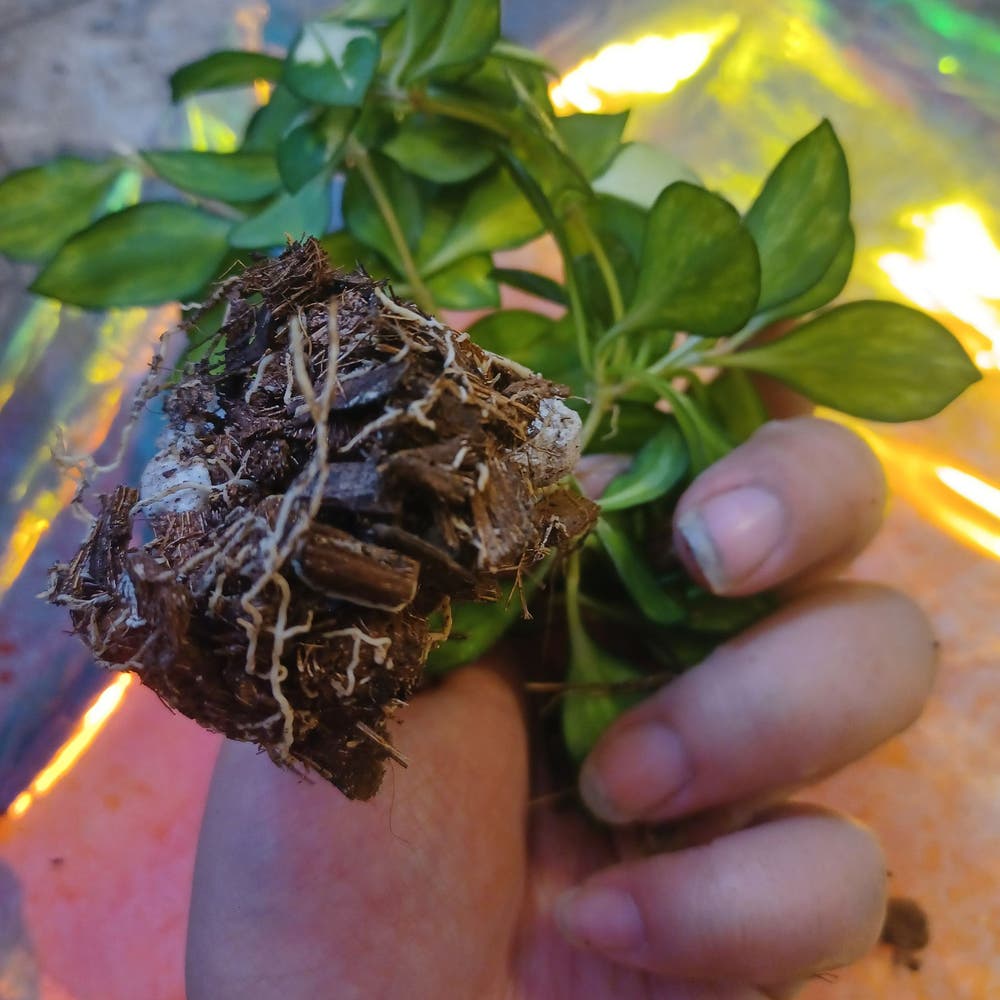
💧 Why Are My Variegated Hoya heuschkeliana Leaves Mushy?
Hoya heuschkeliana 'Variegata'
By the Greg Editorial Team
Jun 18, 2024•4 min read
This article was created with the help of AI so we can cover more plants for you. May contain errors. See one? Report it here.
- Mushy leaves mean health issues, often due to overwatering or root rot.
- Feel leaves, check soil to detect and address problems early.
- Well-draining pot and soil are crucial to prevent mushiness.
Spotting the Trouble: Signs of Mushy Leaves
🚨 Visual Symptoms
Discoloration is your first clue. Leaves turning a yellow or brown hue are sending an SOS. Texture changes are another red flag; if your Hoya's leaves are starting to resemble overcooked spinach, it's time to worry.
🖐️ Tactile Clues
Leaves should be firm, not squishy. If they feel like a ripe tomato, that's a sign of trouble. Mushiness indicates that your plant's health is on the decline.
🕵️ Early Detection
Catch problems early to save your plant. Regularly feeling the leaves and checking the soil can prevent a full-blown plant crisis. Remember, early intervention is the key to plant survival.

Root of the Problem: Causes of Mushy Leaves
💦 Overwatering Woes
Overwatering is the equivalent of drowning your Hoya heuschkeliana in affection. It's a classic case of too much of a good thing. The roots, desperate for air, succumb to the excess moisture, leaving the leaves mushy and distressed.
🚰 Drainage Disasters
The right pot and soil are like a good support system for your plant—they let it shed excess water and prevent emotional (root) baggage. If your Hoya's home isn't well-draining, you're basically forcing it to sit in a puddle of its own despair.
🍄 The Fungal Culprit: Root Rot
Root rot is the horror flick monster in the world of plant care. It's a silent, sneaky destroyer that thrives in the damp darkness of overwatered soil. Spotting it means looking for roots that have gone from firm and white to a mushy, brown mess. If you see this, it's time for a root intervention.

First Aid for Mushy Leaves
💧 Cutting Back on Water
Watering is a delicate dance, and your Variegated Hoya heuschkeliana's mushy leaves are telling you it's time to change the music. Let the topsoil dry before you even think about giving it another drink. If the pot feels like it's been hitting the gym, skip the watering can. And remember, it's not a race; water thoroughly but sparingly.
🏡 Upgrading Your Plant's Home
Think of your plant's pot as its kingdom—it needs to be spacious and well-fortified. Choose a pot that allows your Hoya's roots to breathe and stretch. A mix of soil, perlite, and sand is like a luxury mattress for your plant, ensuring a well-drained and comfy abode. And those drainage holes? They're your plant's lifeline, so keep them as clear as your intentions.
🩹 Root Rot Rehab
If root rot has taken hold, it's time for some tough love. Snip away the mushy, blackened roots with the precision of a ninja, and repot your plant into fresh, well-draining soil. Post-surgery, treat the remaining roots with a fungicide to kick any fungal freeloaders to the curb. Then, give your plant the rest it deserves—minimal water, maximum airflow, and a peaceful recovery.

Keeping Leaves Firm and Healthy
💧 Watering Wisdom
To dodge the mushy leaf mishap, perfect your watering routine. It's a dance between too much and too little, and your Hoya heuschkeliana's life hangs in the balance. Check the soil before watering—dry an inch down? Go ahead. Water deeply but only when necessary, like a camel stocking up for a desert journey, not a fish in a bowl.
👀 Vigilant Monitoring
Regular plant check-ups are non-negotiable. Keep an eagle eye on leaf color and growth rates. Notice a slight change? Time to adjust your care tactics. It's not about being paranoid, but about being proactive. Remember, catching root rot early is like catching a cold before it turns into pneumonia.
🌱 The Importance of Proper Potting
Your plant's pot is its castle. Make sure it's well-draining; think of it as a moat that keeps the excess water at bay. Terra cotta trumps plastic—it breathes, allowing soil to dry out like a desert after rain. And the soil? It should be light and airy, a fluffy bed for roots, not a wet cement block.
⚠️ Safety First
This content is for general information and may contain errors, omissions, or outdated details. It is not medical, veterinary advice, or an endorsement of therapeutic claims.
Always consult a qualified healthcare professional before using any plant as food, medicine, or supplement.
Never eat any plant (or feed one to pets) without confirming its identity with at least two trusted sources.
If you suspect poisoning, call Poison Control (800) 222-1222, the Pet Poison Helpline (800) 213-6680, or your local emergency service immediately.
Spotted an error? Please report it here.
Revive your Hoya heuschkeliana from mushy leaves 🍃 with Greg's custom watering plans that ensure just the right amount of moisture for healthy growth.