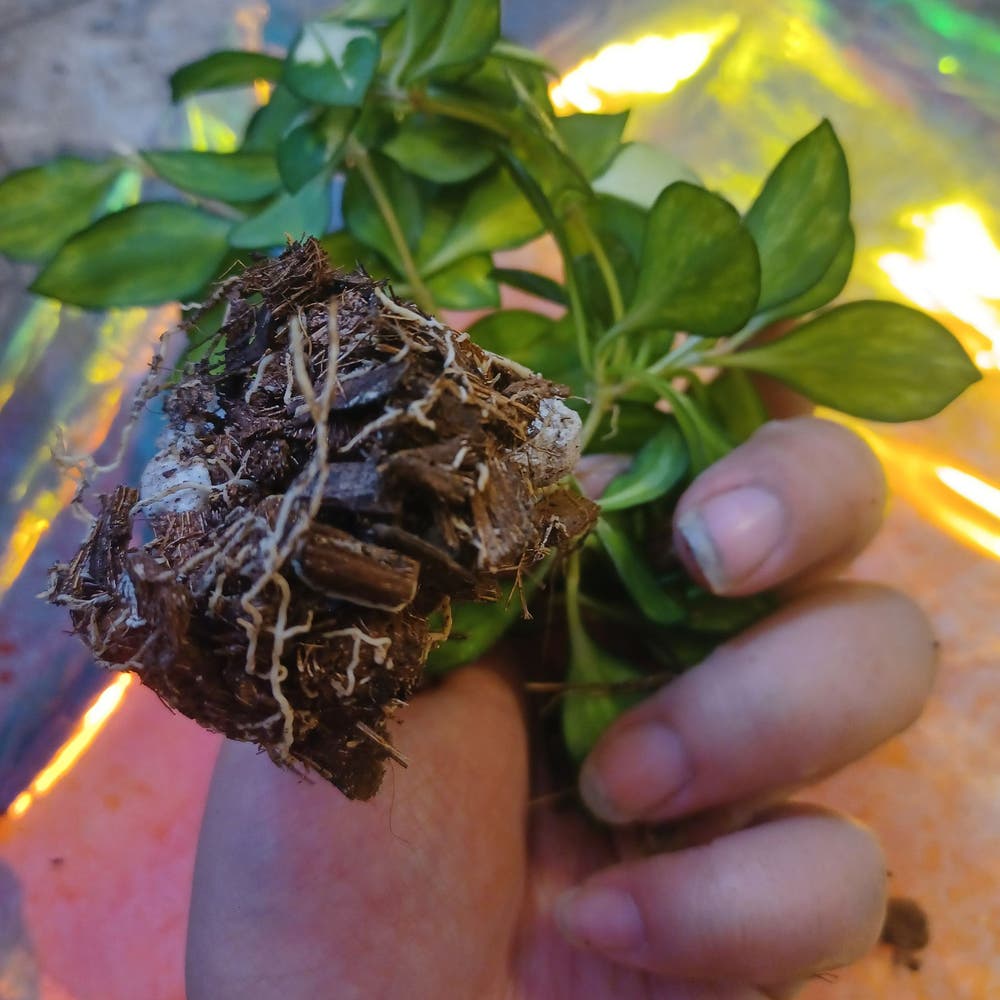
Why Is My Variegated Hoya heuschkeliana Dropping Leaves?
Hoya heuschkeliana 'Variegata'
By the Greg Editorial Team
Jun 18, 2024•6 min read
This article was created with the help of AI so we can cover more plants for you. May contain errors. See one? Report it here.
- Under/overwatering causes leaf drop; water based on plant's needs, not a schedule.
- Bright, indirect light and 60-80°F keep Hoya leaves healthy and attached.
- Prevent pests and diseases with good hygiene and air circulation.
When Thirsty Leaves Say Goodbye: Watering Woes
🏜️ Spotting the Signs of Underwatering
Leaf drop is your Hoya's white flag – a sign it's too parched to keep up appearances. Stunted growth? That's your cue the plant's been left high and dry. To avoid turning your Hoya into a desert dweller, perform the "taco test": gently fold a leaf. If it tacos without snapping, it's time to water. Wrinkled leaves are another SOS signal – they're not going for the prune look; they're gasping for water.
💧 How to Quench Your Plant's Thirst Without Overdoing It
Watering is an art, not a science. Ditch the schedule – your Hoya's thirst varies with the weather. Use the finger test: if the soil's dry at your second knuckle, it's time for a drink. But remember, it's a sip, not a gulp – you're hydrating, not hosting a pool party for the roots.
💦 Drowning in Love: Overwatering Hazards
Root rot is the soggy specter lurking in over-loved soil. Yellow leaves might scream "I'm drowning!" before they take the plunge off the stem. If the soil feels more like a swamp than a bed, it's time to back off the watering can. Overwatering is the fast track to turning your Hoya into a botanical belly-up.
🌊 Balancing Soil Moisture to Keep Roots Happy and Healthy
Balance is key – your Hoya craves moisture stability. Ensure proper drainage to avoid creating a root rot rave. If the pot's heavier than your last breakup, it's too wet. Let the soil dry out a bit. Conversely, if lifting the pot feels like picking up a feather, it's time to water. Remember, your Hoya's roots want to drink, not swim.

A Light Touch: Sunlight and Shade Balance
🌞 Too Much Sun, Not Enough Fun
Leaf burn and light stress are the bane of many a Hoya heuschkeliana. If your plant's leaves sport brown patches or a bleached look, it's crying out for a break from the sun's intense love affair.
To prevent your Hoya from turning into a crispy critter, aim for that sweet spot of bright, yet indirect light. Think of it as the plant's preferred lounge area—comfortable and rejuvenating without the risk of sunburn.
🌑 The Dark Side of Shade
Conversely, too little light and your Hoya might start shedding leaves like a tree in autumn—not ideal. Low light conditions can lead to a lackluster plant, stretching out in a desperate search for sunlight.
Adjusting your plant's position to ensure it receives ample bright, indirect light can be like finding the perfect pair of jeans—challenging but oh-so rewarding. Keep an eye on your green buddy and don't be afraid to shuffle things around to keep it basking in just the right amount of glow.

Climate Control: Temperature and Humidity Harmony
🌡️ Feeling the Heat: Temperature Troubles
Heat stress is no joke for your Variegated Hoya heuschkeliana. When temperatures soar, leaves may take a nosedive. They can turn discolored, crispy, or look like they've been sunburned without the tan. To prevent your Hoya from throwing a temperature tantrum, keep the thermostat dialed in between 60-80°F. Think of your plant as a guest at a pool party; it wants to feel the warmth without the risk of a heatstroke.
💧 Humidity: The Invisible Thirst
Dry air is the silent enemy of the Hoya, causing leaves to curl up tighter than a rolled yoga mat. Aim for a humidity level of 40-60% to keep your Hoya from going thirsty. If the air in your home is drier than a stand-up comedian's wit, it's time to bring out the humidifier. Alternatively, a pebble tray or a cluster of plants can create a mini rainforest vibe. Just remember, too much humidity and you're throwing a fungal fiesta. Keep the air moving with a gentle fan to avoid the moldy aftermath of a plant party gone wild.

Uninvited Guests: Tackling Pests and Diseases
🐛 Bug Battles: Keeping Pests at Bay
Pests are like that one relative who shows up unannounced and eats all your snacks. Regular inspections are your first line of defense against these freeloading insects. Turn over leaves; check stems. If you spot any critters, it's time for action.
Isolation isn't just for sick days. New plants should serve time in quarantine before mingling with your Hoya collection. It's like a background check for bugs.
When it comes to pest control, think of it as a hygiene routine for your plant. Wipe those leaves, let the soil dry out a bit, and ensure good air circulation. It's like telling pests your plant is not their new apartment.
For those who've already overstayed their welcome, a gentle wipe with soapy water or a neem oil spa treatment can send pests packing. And if you're dealing with the stickiness of honeydew, it's a clear sign scale insects are throwing a party.
🍄 Fungal Foes and Disease Dilemmas
Fungi are the silent party crashers, leaving behind a trail of destruction without a sound. Brown spots with a mushy texture? That's the calling card of a fungal shindig.
Keep your Hoya's leaves as dry as the humor in a British sitcom. Water at the base to avoid creating a fungal-friendly wet bar. If you spot trouble, improve air circulation and consider a fungicide as your bouncer.
Prevention is better than cure. It's like building a moat around your castle. Avoid overwatering, keep those leaves dry, and ensure your Hoya isn't stewing in its own humidity.
Remember, a healthy Hoya is less likely to succumb to pests and diseases. It's like keeping fit to avoid the flu. So, keep your plant's environment clean, its soil healthy, and its leaves dust-free. Your Hoya will thank you by not dropping its leaves like confetti.
The Root of the Problem: Soil and Repotting Insights
🌱 Cramped Quarters: When to Give Your Hoya More Room
Roots need room to groove. If your Hoya's roots are peeking out of drainage holes or the growth has stalled, it's time to repot. This isn't just about space; it's about health. Overcrowded roots can't do their essential job of slurping up nutrients and water.
Choose a new pot that's a size up—think of it as upgrading from a cramped studio to a one-bedroom apartment. The right soil mix is crucial, too. Aim for a blend that's like a fluffy pillow for roots, not a wet blanket. Organic matter is the soul of the soil, but don't overdo it, or you'll drown the roots in love.
💧 The Perils of Poor Drainage
Good drainage is non-negotiable. Without it, you're inviting root rot to the party, and that's a guest that'll trash the place. Ensure your pot has drainage holes that could make Swiss cheese jealous.
When mixing soil, think chocolate chip cookie—crumbly, but hold the chips. A blend of orchid bark, peat-free compost, and something for aeration, like rice hulls, will keep your Hoya's feet dry. Remember, overwatering is like forcing your plant to sleep with a wet blanket—uncomfortable and unhealthy. Keep the soil moist but not soggy, and your Hoya will thank you with vibrant leaves.
⚠️ Safety First
This content is for general information and may contain errors, omissions, or outdated details. It is not medical, veterinary advice, or an endorsement of therapeutic claims.
Always consult a qualified healthcare professional before using any plant as food, medicine, or supplement.
Never eat any plant (or feed one to pets) without confirming its identity with at least two trusted sources.
If you suspect poisoning, call Poison Control (800) 222-1222, the Pet Poison Helpline (800) 213-6680, or your local emergency service immediately.
Spotted an error? Please report it here.
Keep your variegated Hoya heuschkeliana leaf-drop free 🍃 with Greg's personalized care plan that optimizes watering, light, and humidity just for your plant's needs.