How to Know When to Repot a Variegated Hoya heuschkeliana?
Hoya heuschkeliana 'Variegata'
By the Greg Editorial Team
Jun 18, 2024•5 min read
This article was created with the help of AI so we can cover more plants for you. May contain errors. See one? Report it here.
- Roots circling or escaping the pot signal it's time to repot.
- 🌱 Stunted growth and yellow leaves mean more space is needed.
- 🏺 Terracotta pots help prevent overwatering and root rot.
Spotting the Tell-Tale Signs for Repotting
🌱 Root Tango: When Roots Out-Dance the Pot
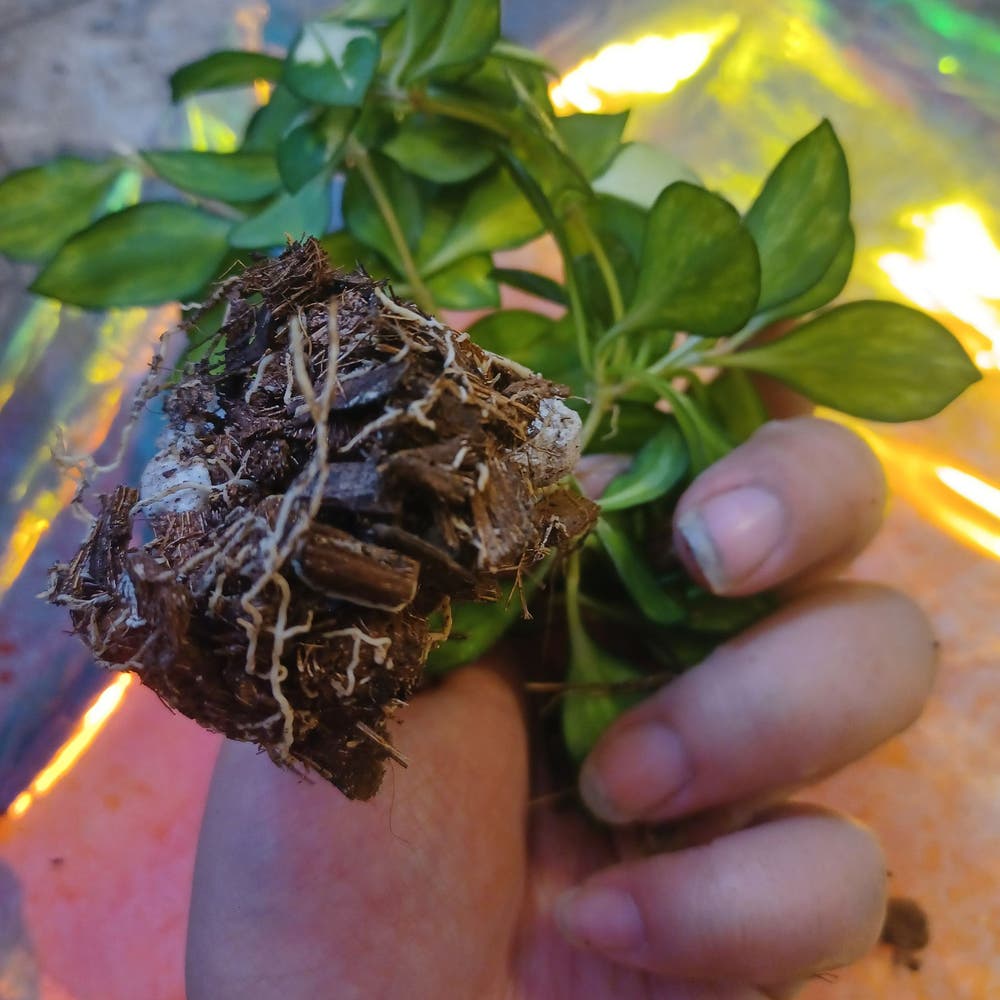
Roots should be snug, not strangled. Root-bound plants have roots that coil inside the pot like a spring, or they might just make a break for it through the drainage holes. If your Hoya's roots are more visible than the plant itself, it's time for a change.
💧 Water Woes: Drainage Drama and Hydration Havoc
Overwatering is a no-no, but so is a pot that drains faster than a sinkhole. If water zips through the pot without a second thought, your Hoya's roots have likely turned the soil into a dense root-ball. Drainage issues can lead to dehydration or, paradoxically, root rot.
🌱 Growth Grumbles: When Your Plant Stops Growing Up
Yellow leaves are the plant's way of saying, "I'm not okay." Stunted growth isn't just a phase; it's a sign your Hoya is craving more space. If your plant has stopped its skyward journey, it's not being lazy—it's root-bound.

The Repotting Rundown: A Step-by-Step Guide
🛠️ Prep Work: Getting Your Supplies and Space Ready
Before diving into the repotting process, assemble your tools. You'll need a new pot with drainage holes—slightly larger than the current one—a porous material like coffee filters to cover the holes, a premium potting mix, a trowel, gloves, scissors or a sharp knife, and a watering can. Clear a workspace and lay out your supplies. This isn't just a chore; it's a ritual for renewal.
🌱 Gentle Unpotting: How to Eject Your Plant Safely
Now, for the delicate dance of unpotting. Cradle the plant as you tilt the pot and gently coax it out. If it plays hard to get, a chopstick or knife can help nudge the root ball free. Snip away any dead or decaying roots—these are as helpful as a screen door on a submarine. Inspect the roots closely; healthy ones should be firm and light brown.
🏡 Home Sweet Home: Planting in Fresh Soil
It's time to introduce your Hoya to its new abode. Choose a well-draining potting mix that will make your plant feel like it's on cloud nine. Fill the new pot with a base layer of soil, position the plant so that the crown is at the same level as before, and fill in around the roots. Water thoroughly to settle the soil and eliminate any air pockets. This isn't just a change of scenery; it's a fresh start for your green companion.

Picking the Perfect Pot: Material Matters
🏺 Terracotta vs. Plastic vs. Ceramic: The Great Debate
Terracotta pots are the breathable choice, letting air and water flow through their walls, which helps prevent overwatering and root rot. They're like the cozy cotton tees of the plant world—simple, classic, and just right for a healthy root environment. But, they can be thirsty, meaning you'll water more often.
Plastic pots, on the other hand, are the low-maintenance buddies that keep soil moist for longer. They're lightweight and cost-effective, but they hold onto water like a camel, which can be a problem if you're heavy-handed with the watering can. Plus, they're not exactly the poster child for sustainability.
Ceramic pots are the fancy dinnerware of plants—often glazed, colorful, and pretty. They're less porous than terracotta, which means they retain water well, but that also means they need proper drainage or you'll drown your Hoya's hopes and dreams. They're heavy, so think twice if you love to redecorate on a whim.
The No-Go Zone: Materials to Avoid
Steer clear of pots without drainage holes; they're like a one-way ticket to Soggy Roots Central. Metal pots might look chic, but they can fluctuate in temperature too much, stressing your plant out. And let's not forget cheap terracotta that cracks if you so much as whisper "temperature change" near it. Invest in quality terracotta to avoid premature pot breakups.

Aftercare: Helping Your Hoya Heal
🌱 The First Few Days: Monitoring and Adjustments
After the repotting shuffle, your Variegated Hoya heuschkeliana needs a moment to catch its breath. Avoid watering for the first day or two; this gives any disturbed roots time to heal. Bright, indirect light is your plant's best friend during this period, helping it to settle without the harsh glare of direct sun.
🌿 Long-Term Love: Ensuring a Happy, Healthy Plant
Post-repotting life is all about balance. Watering should be a thoughtful affair—too much and you're swimming in root rot territory, too little and your Hoya's throwing a silent tantrum. Aim for moist but not soggy soil, and keep an eye out for that sweet spot where the leaves look perky and full of life.
Regular inspections for pests and diseases are like the plant equivalent of a spa day—preventative and refreshing. And remember, no fertilizer fiestas for at least a month; let your Hoya acclimate to its new digs without the extra buzz.
In the long run, your Hoya's growth will tell you if you've hit the care jackpot. If it's sprouting new leaves or, better yet, flowers, you're on the right track. If not, it's time to play detective with your care routine. Keep it snug, not swimming in its pot, and you'll have a content Hoya that's not just surviving, but thriving.
⚠️ Safety First
This content is for general information and may contain errors, omissions, or outdated details. It is not medical, veterinary advice, or an endorsement of therapeutic claims.
Always consult a qualified healthcare professional before using any plant as food, medicine, or supplement.
Never eat any plant (or feed one to pets) without confirming its identity with at least two trusted sources.
If you suspect poisoning, call Poison Control (800) 222-1222, the Pet Poison Helpline (800) 213-6680, or your local emergency service immediately.
Spotted an error? Please report it here.
Watch your Hoya heuschkeliana flourish 🌿 after repotting with Greg's custom care reminders for the perfect balance of water and light.