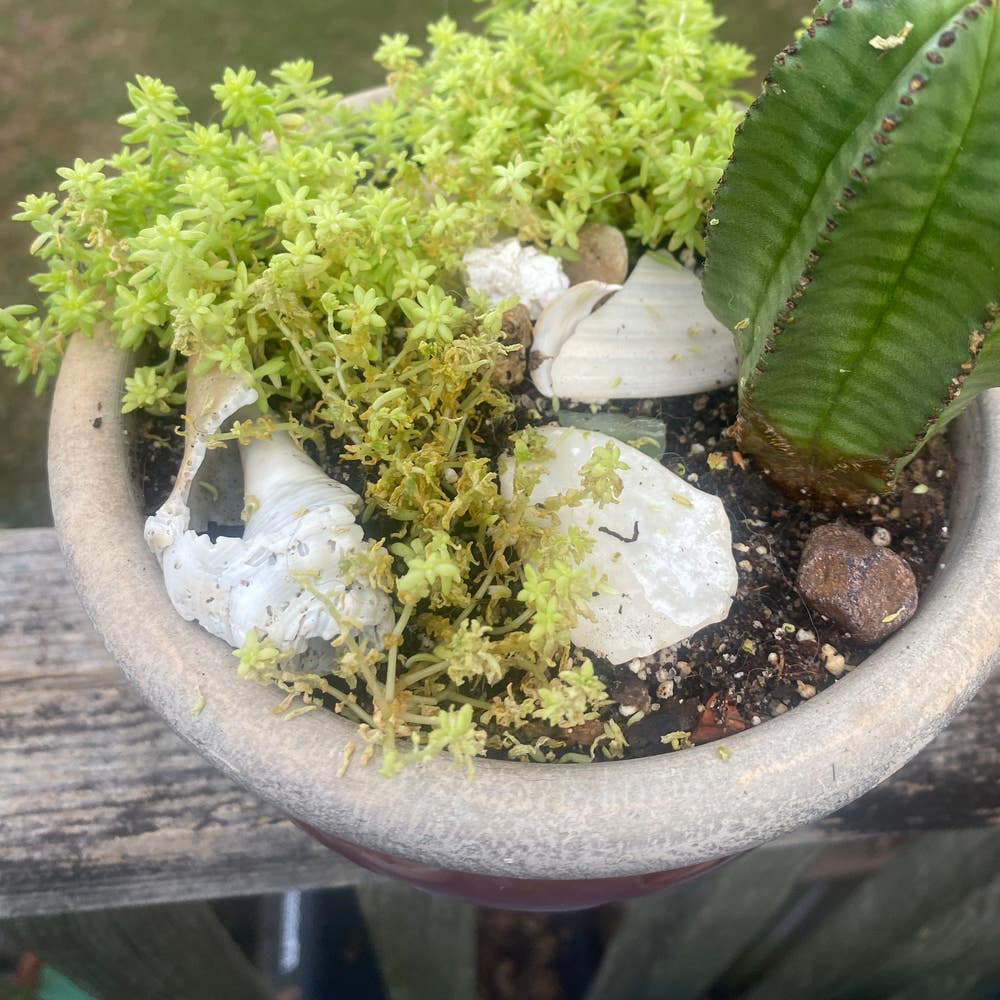
🌞 All About Your Tokyo Sun Stonecrop's Roots
Sedum japonicum 'Tokyo Sun™'
By the Greg Editorial Team
Sep 30, 2024•6 min read
This article was created with the help of AI so we can cover more plants for you. May contain errors. See one? Report it here.
- 🌱 Tokyo Sun Stonecrop has fibrous roots for stability and nutrient uptake.
- 💧 Deep watering every 1-2 weeks encourages healthy root growth and prevents rot.
- 🌿 Healthy roots are firm and light-colored; inspect regularly to avoid issues.
Root System Characteristics
Type of Root System 🌱
The Tokyo Sun Stonecrop features a fibrous root system, characterized by thin, branching roots that spread widely. This structure not only enhances stability but also optimizes nutrient uptake, allowing the plant to thrive in various conditions.
Specific Characteristics of Roots 🌍
These roots are remarkably adaptable, thriving in diverse soil types. Their extensive network ensures efficient nutrient absorption, while the shallow structure supports drought resistance, making the plant resilient in challenging environments.
Understanding these root characteristics is essential for effective care practices, which we will explore next.
Root Depth and Spread
🌱 Typical Root Depth and Spread
The Tokyo Sun Stonecrop typically boasts a root depth of 6 to 12 inches. Its roots can spread out to an impressive 2 feet in diameter, which is essential for stability and nutrient absorption.
Shallow roots mean that watering practices must be adjusted accordingly. Regular, deep watering is crucial to ensure the roots can access moisture without becoming waterlogged.
📈 Growth Patterns of the Root System
This plant's root system establishes rapidly in well-drained soils, making it a resilient choice for various environments. Seasonal growth patterns can vary, influenced by factors like temperature and moisture levels.
Understanding these growth patterns helps in planning care routines. By aligning your care practices with the plant's natural tendencies, you can foster a thriving environment for your Tokyo Sun Stonecrop.
As we delve deeper into care practices influenced by these roots, you'll discover how to optimize your plant's health effectively.
Care Practices Influenced by Roots
💧 Watering Techniques Tailored to Root Structure
To keep your Tokyo Sun Stonecrop thriving, aim to water it every 1-2 weeks. Deep watering is essential; it encourages roots to grow downwards, promoting stability and nutrient absorption.
Avoid waterlogging, as this can lead to root rot. Ensure that the soil drains well, allowing the roots to breathe and thrive.
🌱 Fertilizing Methods for Optimal Root Health
Fertilize during the growing season, which spans from spring to early fall. Use balanced NPK fertilizers or slow-release options to provide essential nutrients.
When applying fertilizers, focus on the root zone. This targeted approach supports robust root development and overall plant health.
🌍 Transplanting Considerations Based on Root System
The best time to transplant your Stonecrop is in early spring or fall. These seasons minimize stress on the plant and promote successful establishment.
When transplanting, aim to minimize root disturbance. Ensure there’s ample space for the roots to spread out, allowing them to establish a strong foundation in their new home.
By following these care practices, you can enhance the health of your Stonecrop's roots, leading to a more vibrant and resilient plant. Next, let’s explore common root-related issues that may arise and how to address them effectively.
Common Root-Related Issues
Identifying Root Problems 🌱
Root problems can sneak up on you, but knowing the signs can save your plant. Look out for yellowing leaves and wilting, even when you’re watering adequately; these are classic indicators of root rot.
Pests can also wreak havoc on your plant's roots. Keep an eye out for root aphids and nematodes, as they can compromise root health and overall plant vitality.
Prevention Tips for Root Health 🛡️
Preventing root issues starts with the right soil. Ensure you use well-draining soil to keep roots healthy and avoid waterlogged conditions.
Regularly inspect the root zone for any signs of distress. Catching problems early can make all the difference in maintaining a thriving plant.
Solutions for Common Root Issues 💡
If you suspect root rot, act quickly. Remove any affected roots and improve drainage to help your plant recover.
For pest issues, consider using organic insecticides or introducing beneficial nematodes. These methods can effectively manage pests without harming your plant.
Understanding these common root-related issues can empower you to take better care of your Tokyo Sun Stonecrop. With the right knowledge and practices, your plant can flourish and thrive.
Indicators of Root Health
👀 Visual Cues of Healthy vs. Unhealthy Roots
Healthy roots are typically firm and exhibit a white or light tan color. In contrast, unhealthy roots often have a mushy texture and dark coloration, indicating potential issues.
📊 Other Indicators of Root Health
Overall plant vigor is a key indicator of root health. Look for robust growth rates and vibrant leaf colors as signs that your plant is thriving.
Soil moisture levels also play a crucial role. Aim for consistency—moist but not soggy—to ensure your roots are happy and healthy.
Understanding these indicators can empower you to take proactive steps in maintaining your plant's vitality. By keeping an eye on root health, you can foster a thriving environment for your Tokyo Sun Stonecrop.
Next, let’s explore how to address rootbound conditions and ensure your plant continues to flourish.
Rootbound Plants
Definition and Recognition of Rootbound Conditions 🌱
Rootbound plants occur when roots circle the pot, indicating limited growth space. This can lead to stunted growth and poor water absorption, making it crucial to recognize these signs early.
When to Address Rootbound Issues ⏰
Monitor your plant's growth; if it slows down or shows distress, it’s time to act. Timely intervention is essential for maintaining plant health and vitality.
Steps to Remedy Rootbound Plants 🛠️
- Carefully remove the plant from its pot.
- Gently loosen and trim any circling roots.
- Repot in a larger container filled with fresh soil.
- Water thoroughly to encourage recovery.
Addressing rootbound conditions not only revitalizes your plant but also enhances its overall growth potential. With proper care, your Tokyo Sun Stonecrop can thrive and flourish in its new environment.
Propagation and Division
Importance of Root Health in Propagation 🌱
Healthy roots are crucial for successful propagation. They not only support new growth but also enhance the plant's resilience against stressors.
Techniques for Dividing and Propagating ✂️
When it comes to propagation, two effective methods stand out: stem cuttings and division of established plants. Both techniques can lead to thriving new plants.
Step-by-Step Instructions for Propagation
- Select healthy stems or sections: Choose vigorous parts of the plant to ensure strong new growth.
- Prepare a well-draining potting mix: This helps prevent root rot and encourages healthy root development.
- Water lightly and place in indirect sunlight until established: This allows the new plants to acclimate without the stress of direct sun.
By following these steps, you can successfully propagate your Tokyo Sun Stonecrop, ensuring its vibrant growth continues. Understanding the importance of root health will empower you to nurture your plants effectively.
Next, we’ll explore how to identify and address root-related issues to keep your plants thriving.
Summary of Key Points
Understanding the root system of your Tokyo Sun Stonecrop is crucial for its health and growth. A robust root system not only anchors the plant but also plays a vital role in nutrient uptake and drought resistance.
Proper care practices can significantly enhance root health. Techniques like deep watering and timely fertilization ensure that roots thrive, leading to a more vigorous plant overall.
By recognizing the signs of root-related issues and addressing them promptly, you can maintain a healthy plant. Regular inspections and appropriate interventions will keep your Sun Stonecrop flourishing.
In summary, a well-cared-for root system translates to a vibrant, resilient plant. Embrace these practices to unlock the full potential of your Tokyo Sun Stonecrop!
⚠️ Safety First
This content is for general information and may contain errors, omissions, or outdated details. It is not medical, veterinary advice, or an endorsement of therapeutic claims.
Always consult a qualified healthcare professional before using any plant as food, medicine, or supplement.
Never eat any plant (or feed one to pets) without confirming its identity with at least two trusted sources.
If you suspect poisoning, call Poison Control (800) 222-1222, the Pet Poison Helpline (800) 213-6680, or your local emergency service immediately.
Spotted an error? Please report it here.
Unlock your Tokyo Sun Stonecrop's full potential 🌿 by using Greg's tailored watering plans and care reminders to keep those roots healthy and thriving!