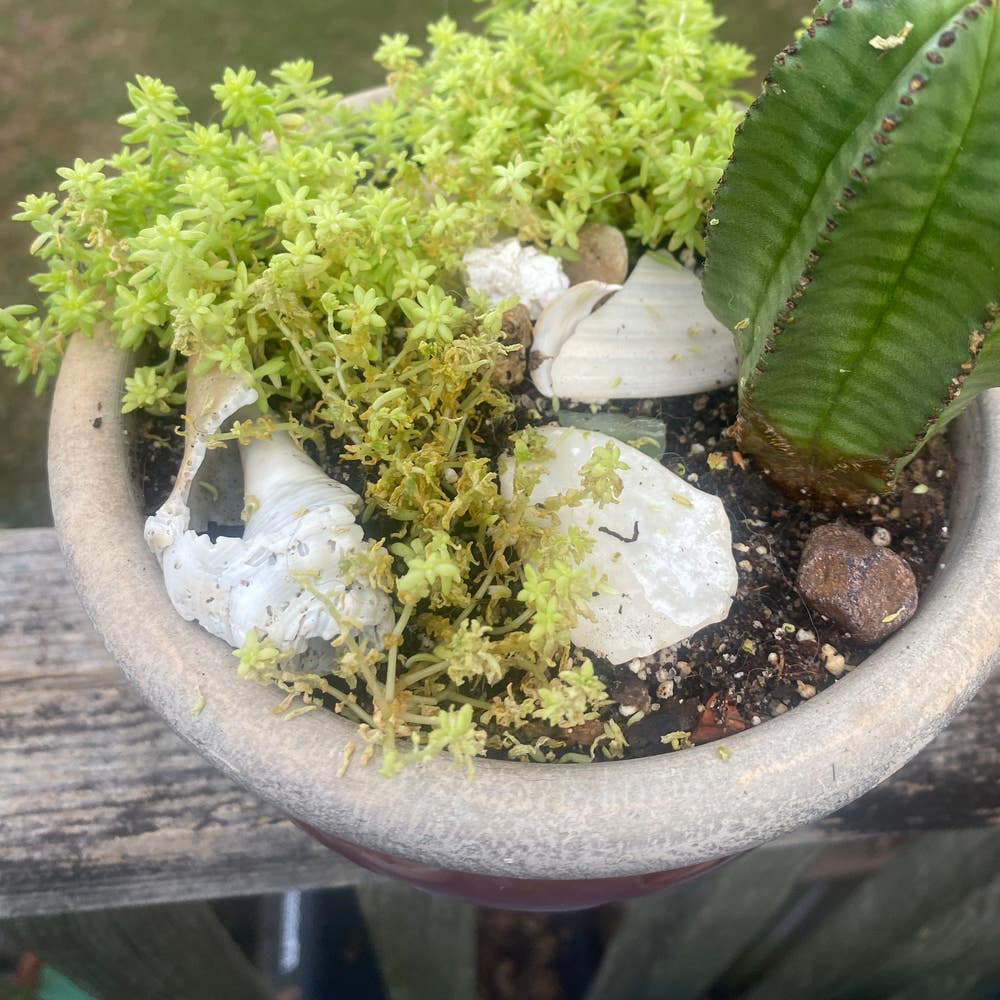
🌞 Tokyo Sun Stonecrop Hardiness Zones Ultimate Guide: 7a-9b
Sedum japonicum 'Tokyo Sun™'
By the Greg Editorial Team
Sep 30, 2024•5 min read
This article was created with the help of AI so we can cover more plants for you. May contain errors. See one? Report it here.
- 🌞 Tokyo Sun Stonecrop thrives in USDA zones 7a to 9b, perfect for many U.S. regions.
- ❄️ It tolerates frost down to 0°F (-18°C), ensuring survival in colder climates.
- 🌱 Ideal growth occurs between 60°F to 80°F (15°C to 27°C) for optimal health.
Tokyo Sun Stonecrop Temperature Tolerance
❄️ Cold Tolerance Specifics
Tokyo Sun Stonecrop can withstand temperatures as low as 0°F (-18°C). This impressive cold tolerance means it can survive frost, but understanding frost dates is crucial for optimal growth.
The first and last frost dates significantly impact planting schedules. Knowing these dates helps gardeners time their planting to avoid frost damage.
☀️ Heat Tolerance Specifics
On the flip side, this succulent thrives in heat, tolerating temperatures up to 100°F (38°C). However, prolonged exposure to extreme heat can stress the plant, affecting its overall health.
Monitoring heat levels is essential for maintaining the vitality of Tokyo Sun Stonecrop. Regular watering and shade during peak heat can help mitigate stress.
🌡️ Ideal Temperature Ranges for Growth
For optimal growth, Tokyo Sun Stonecrop prefers a temperature range of 60°F to 80°F (15°C to 27°C). This range supports robust growth and vibrant color.
Temperature stability is vital for succulent health. Fluctuations outside this range can hinder growth and lead to issues like wilting or discoloration.
Understanding these temperature tolerances equips you to cultivate a thriving Tokyo Sun Stonecrop. Next, let’s explore the ideal growing regions for this resilient plant.
Ideal Growing Regions for Tokyo Sun Stonecrop
🌍 Examples of US States in Zones 7a-9b
Tokyo Sun Stonecrop thrives in USDA hardiness zones 7a to 9b. Ideal states include California, Texas, Florida, and parts of the Southeast.
In California, regions like San Diego and Los Angeles provide perfect conditions. Texas offers suitable areas such as Austin and Houston, while Florida's coastal regions are also favorable.
🌱 Factors Contributing to Ideal Growing Conditions
For optimal growth, Tokyo Sun Stonecrop requires well-draining soil and full sun exposure. These conditions help prevent root rot and ensure the plant receives adequate light.
Local climate characteristics, such as mild winters and warm summers, further enhance its growth. Areas with low humidity levels are particularly beneficial for this succulent.
🔍 Comparison of Different Regions Within the Suitable Zones
Growing conditions can vary significantly across states in zones 7a-9b. For instance, California's coastal areas may have cooler temperatures compared to the hotter inland regions.
Microclimates play a crucial role in enhancing growth. In Texas, for example, urban areas with heat-retaining structures can create warmer pockets that benefit the Tokyo Sun Stonecrop.
Understanding these regional differences helps gardeners maximize their success with this resilient plant. By recognizing local microclimates, you can tailor your gardening practices for the best results.
Microclimates and Their Impact
🌱 How Microclimates Can Extend Growing Range
Microclimates are localized areas where the climate differs from the surrounding region. They can significantly enhance the growth potential of plants like Tokyo Sun Stonecrop, allowing them to thrive outside their typical hardiness zones.
Factors such as elevation, proximity to water, and urban heat can create these unique environments. For instance, a garden located near a body of water may experience milder temperatures, while elevated areas might have less frost exposure.
🌞 Examples of Microclimates That Benefit Tokyo Sun Stonecrop
Urban areas often present excellent microclimates for growing Tokyo Sun Stonecrop. The heat generated by buildings and pavement can create warmer conditions, extending the growing season.
In rural settings, south-facing slopes can capture sunlight effectively, providing ideal warmth for these succulents. Identifying these microclimates involves observing sunlight patterns, wind exposure, and moisture levels in your garden.
Utilizing these insights can lead to successful gardening practices. By strategically placing your plants in these favorable spots, you can maximize their growth potential and enjoy a flourishing garden.
As we explore the state-level suitability analysis, understanding microclimates will help you make informed decisions about where to plant your Tokyo Sun Stonecrop.
State-Level Suitability Analysis
🌞 List of States Suitable for Tokyo Sun Stonecrop
Tokyo Sun Stonecrop thrives in USDA hardiness zones 7a to 9b. Here’s a quick look at states where you can successfully grow this resilient succulent:
- California: With its warm, dry climate, California offers ideal conditions, especially in coastal and southern regions.
- Texas: The diverse climates across Texas, particularly in the central and southern areas, provide ample sunlight and warmth.
- Florida: The subtropical climate ensures mild winters and plenty of sunshine, perfect for this succulent.
- Georgia: The warm summers and mild winters create a favorable environment for growth.
- Arizona: The dry heat and well-draining soils make Arizona a great home for Tokyo Sun Stonecrop.
❌ List of States Unsuitable for Tokyo Sun Stonecrop
While many states are suitable, some fall outside the ideal hardiness zones. Here’s a rundown of states where growing Tokyo Sun Stonecrop may be challenging:
- Alaska: Extreme cold and long winters make it nearly impossible for this plant to survive.
- North Dakota: Harsh winters and short growing seasons hinder successful cultivation.
- Maine: The cold climate and excessive moisture can lead to rot and other issues for this succulent.
- Vermont: Similar to Maine, the cold temperatures and humidity are not conducive to growth.
🌦️ Reasons for Suitability or Unsuitability Based on Climate Factors
Understanding why certain states are suitable or unsuitable for Tokyo Sun Stonecrop involves analyzing several climate factors.
- Temperature Extremes: States within zones 7a-9b experience milder winters and warmer summers, which are essential for the plant's health.
- Frost Dates: Regions with later last frost dates and earlier first frost dates allow for longer growing seasons.
- Soil Conditions: Well-draining soil is crucial. States with sandy or loamy soils support the plant's growth better than those with heavy clay.
- Local Climate Patterns: Areas with consistent sunlight and minimal humidity create an ideal environment for thriving succulents.
By considering these factors, you can better understand where to plant your Tokyo Sun Stonecrop for optimal growth. Next, let’s explore how microclimates can further enhance your gardening success.
⚠️ Safety First
This content is for general information and may contain errors, omissions, or outdated details. It is not medical, veterinary advice, or an endorsement of therapeutic claims.
Always consult a qualified healthcare professional before using any plant as food, medicine, or supplement.
Never eat any plant (or feed one to pets) without confirming its identity with at least two trusted sources.
If you suspect poisoning, call Poison Control (800) 222-1222, the Pet Poison Helpline (800) 213-6680, or your local emergency service immediately.
Spotted an error? Please report it here.
Cultivate a thriving Tokyo Sun Stonecrop 🌞 by leveraging Greg's personalized care reminders and plant insights to navigate temperature extremes and ensure your succulent flourishes!