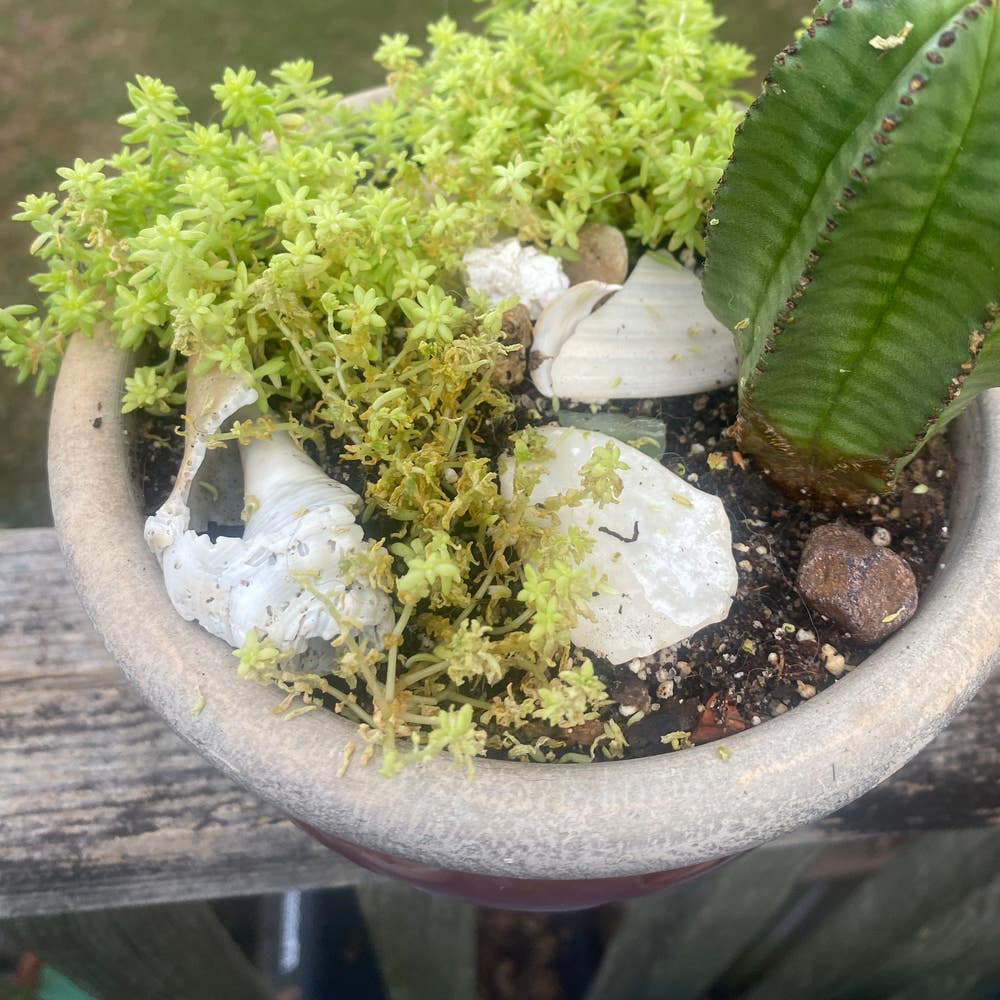
🌞 Why Your Tokyo Sun Stonecrop Buds Won't Open
Sedum japonicum 'Tokyo Sun™'
By the Greg Editorial Team
Sep 30, 2024•4 min read
This article was created with the help of AI so we can cover more plants for you. May contain errors. See one? Report it here.
- 🌞 Lack of sunlight? Ensure 6-8 hours daily for bud opening success!
- 💧 Overwatering and humidity stress your stonecrop, preventing buds from blooming.
- 🌱 Nutritional deficiencies in nitrogen, phosphorus, and potassium hinder bud development.
Reasons for Buds Not Opening
🌪️ Environmental Stress
Environmental stress is a common culprit when your Tokyo Sun Stonecrop buds refuse to open. Factors like overwatering, poor drainage, and extreme temperatures can lead to this issue.
Symptoms include buds that remain stubbornly closed and wilting leaves. To remedy this, adjust your watering schedule and ensure your soil drains well.
☀️ Light Requirements
Light plays a crucial role in the health of your stonecrop. Ideally, these plants thrive in full sun, requiring 6-8 hours of direct sunlight daily.
If your plant isn’t getting enough light, you may notice stunted growth and closed buds. Consider relocating your stonecrop to a sunnier spot or supplementing with grow lights to boost its exposure.
🥦 Nutritional Deficiencies
Nutritional deficiencies can also hinder bud development. Key nutrients like nitrogen, phosphorus, and potassium are essential for vibrant growth.
Symptoms of nutrient deficiency include yellowing leaves and weak stems. To address this, use a balanced fertilizer during the growing season to provide the necessary nutrients for your plant’s health.
By understanding these factors, you can take proactive steps to encourage your Tokyo Sun Stonecrop buds to open beautifully. Next, let’s explore the causes of premature flower drop and how to prevent it.
Causes of Premature Flower Drop
🌡️ Environmental Factors
Temperature fluctuations can wreak havoc on your Tokyo Sun Stonecrop. Sudden cold snaps or heatwaves may cause your plant to drop its flower buds prematurely.
High humidity can also lead to fungal issues, which further stress the plant. To combat these challenges, monitor weather conditions closely and provide shelter during extreme temperatures.
🐞 Pest Impact
Pests like aphids and mealybugs are notorious for causing problems. They can distort buds and leave a sticky residue that signals trouble.
To tackle these pests, consider using insecticidal soap or neem oil. These treatments can help restore your plant's health and encourage those buds to stay put.
Understanding these factors can empower you to take action and keep your Tokyo Sun Stonecrop thriving. Next, let’s explore the factors leading to abnormal flower development.
Factors Leading to Abnormal Flower Development
🌱 Genetic Traits
The genetic makeup of your Tokyo Sun Stonecrop plays a crucial role in its flowering behavior. Some plants may exhibit unusual flower shapes or colors due to their inherent genetic traits.
To ensure consistent flowering, opt for varieties known for their reliable blooming patterns. This can save you from the disappointment of unexpected flower anomalies.
✂️ Pruning Effects
Pruning is essential for encouraging new growth, but timing is everything. Ideally, you should prune your stonecrop after flowering to promote robust blooms in the next cycle.
Improper pruning can lead to reduced blooms and weak stems, which is frustrating for any gardener. To avoid this, familiarize yourself with proper pruning techniques that support healthy growth and vibrant flowers.
By understanding these factors, you can better manage your stonecrop's flowering potential. Next, let's explore troubleshooting and solutions to revive those stubborn flower buds.
Troubleshooting and Solutions
Step-by-Step Guide to Reviving Flower Buds 🌱
Reviving your Tokyo Sun Stonecrop buds can be straightforward if you follow these steps. Start by assessing environmental conditions like light, temperature, and humidity.
Next, check the soil moisture. Ensure it’s not waterlogged, as this can hinder bud development.
Adjust your care practices accordingly. Modifying watering and light exposure can make a significant difference.
Finally, fertilize your plant. Use a balanced fertilizer to provide essential nutrients that may be lacking.
Remedies for Nutritional Deficiencies 🥦
Identifying symptoms of nutritional deficiencies is crucial. Look for yellowing leaves or stunted growth as key indicators.
Choose an appropriate fertilizer with an NPK ratio suited for succulents. This will help address any nutrient gaps.
Apply the fertilizer according to the package instructions for dosage and frequency. Consistency is key to recovery.
Monitor your plant's response closely. Adjust care as needed based on how well your plant is recovering.
By following these troubleshooting steps, you can help your Tokyo Sun Stonecrop thrive. With a little attention and care, those buds will soon be ready to bloom beautifully.
⚠️ Safety First
This content is for general information and may contain errors, omissions, or outdated details. It is not medical, veterinary advice, or an endorsement of therapeutic claims.
Always consult a qualified healthcare professional before using any plant as food, medicine, or supplement.
Never eat any plant (or feed one to pets) without confirming its identity with at least two trusted sources.
If you suspect poisoning, call Poison Control (800) 222-1222, the Pet Poison Helpline (800) 213-6680, or your local emergency service immediately.
Spotted an error? Please report it here.
Unlock stunning blooms 🌸 for your Tokyo Sun Stonecrop by using Greg's tailored care plans to effortlessly manage sunlight, nutrition, and humidity for optimal growth!