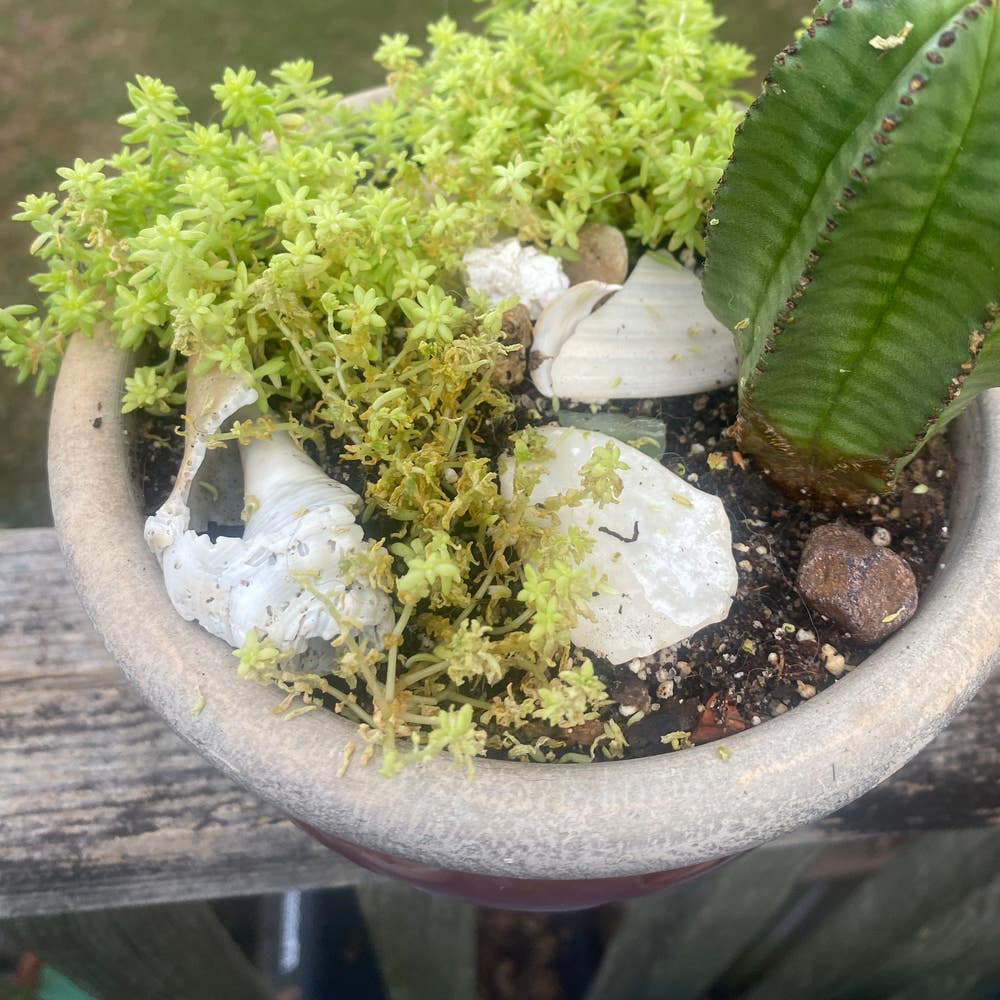
🌞 Top 3 Pot Features Your Tokyo Sun Stonecrop Will Love
Sedum japonicum 'Tokyo Sun™'
By the Greg Editorial Team
Sep 30, 2024•6 min read
This article was created with the help of AI so we can cover more plants for you. May contain errors. See one? Report it here.
- 🌱 Choose the right pot size: 2-10 inches ensures healthy growth stages for your stonecrop.
- 🏺 Pot material matters: Clay, plastic, or ceramic affects moisture and root health.
- 🚫 Avoid common mistakes: Ensure drainage holes and avoid oversized pots to prevent root issues.
Pot Size for Different Growth Stages
🪴 Importance of Pot Size
Choosing the right pot size is crucial for your Tokyo Sun Stonecrop's health. Each growth stage requires a specific container size to support optimal root development.
🌱 Seedling Stage
For seedlings, a container size of 2-4 inches in diameter is ideal. Smaller pots encourage strong root growth, allowing the plant to establish itself effectively.
🌿 Juvenile Stage
As your plant enters the juvenile stage, it will need a slightly larger pot, typically 4-6 inches in diameter. This size accommodates the plant's growth while still promoting healthy root expansion.
🌳 Mature Stage
When your Tokyo Sun Stonecrop reaches maturity, opt for a pot size between 6-10 inches in diameter. Spacious pots are essential for extensive root systems, ensuring your plant thrives.
📏 General Guideline
A good rule of thumb is to increase the pot size by 2 inches in diameter as your plant grows. This gradual transition helps maintain a healthy environment for your stonecrop.
Understanding pot sizes at each growth stage will set your plant up for success. Next, let’s explore the best pot materials to enhance your stonecrop's growth.
Recommended Pot Materials
🌱 Material Options
When it comes to choosing the right pot for your Tokyo Sun Stonecrop, the material can make a significant difference in its growth and health. Here’s a breakdown of the most common pot materials and their pros and cons.
🏺 Clay Pots
Clay pots are a popular choice among plant enthusiasts.
- Benefits: They offer excellent breathability and moisture regulation, allowing roots to breathe and preventing overwatering.
- Drawbacks: However, they can be quite heavy and are prone to breaking if dropped.
🥤 Plastic Pots
Plastic pots are another viable option, especially for those who prefer convenience.
- Benefits: They are lightweight, durable, and come in a variety of designs, making them easy to handle and aesthetically pleasing.
- Drawbacks: On the downside, plastic pots are less breathable and may retain moisture more than desired, which can lead to root issues.
🌟 Other Materials
There are also alternative materials worth considering.
- Ceramic: These pots are visually appealing and can enhance your plant's display. However, they often retain moisture, which might not be ideal for drought-tolerant plants like the Tokyo Sun Stonecrop.
- Metal: Generally, metal pots are not recommended. They can retain heat and often lack proper drainage, which can stress your plant.
Choosing the right pot material is crucial for your plant's health. Each option has its unique benefits and drawbacks, so consider your specific needs and the environment in which your plant will thrive.
Next, let’s dive into the importance of drainage holes and how they can impact your plant's growth.
Importance of Drainage Holes
🚰 Drainage Considerations
Drainage holes are essential for any pot, especially for your Tokyo Sun Stonecrop. They prevent water from accumulating at the bottom, which can lead to root rot—a serious issue for drought-tolerant plants.
To ensure optimal drainage, aim for at least 1-2 holes that are 1/2 inch in diameter. This size allows excess water to escape, keeping your plant healthy and thriving.
🪨 Alternative Solutions
If you find yourself with a pot that lacks drainage holes, don’t panic. You can create a drainage layer using gravel or stones at the bottom of the pot.
This layer acts as a barrier, helping to keep the roots from sitting in water. It’s a simple yet effective solution to maintain proper moisture levels.
With the right drainage setup, your Tokyo Sun Stonecrop will flourish, setting the stage for the next steps in potting care.
Repotting Considerations
🕒 When and How to Repot
Repotting your Tokyo Sun Stonecrop is essential for its health and growth. Here are the key signs that indicate it's time to make the move.
Signs Indicating the Need for Repotting
- Roots Visible Through Drainage Holes: If you can see roots peeking out, your plant is likely root-bound.
- Soil Issues: If the soil dries out too quickly or retains too much moisture, it’s a clear signal.
- Stunted Growth or Yellowing Leaves: These symptoms often indicate that your plant is struggling for space and nutrients.
📅 Recommended Repotting Frequency
Aim to repot every 1-2 years. This timeframe can vary based on your plant's growth rate and the size of its current pot.
📏 Assessing Current Pot Size
When repotting, ensure the new pot is at least 2 inches larger in diameter. This extra space allows for healthy root expansion.
🪴 Evaluating Pot Material
Consider the material of your new pot. Different materials affect moisture retention and drainage capabilities, which are crucial for your plant's health. Opt for materials that align with your watering habits and the plant's needs.
By keeping an eye on these factors, you can ensure your Tokyo Sun Stonecrop thrives in its new home. Next, let’s dive into practical tips for potting to make the process even smoother!
Practical Tips for Potting
Step-by-Step Guide to Potting 🌱
Select the appropriate pot size and material. Choose a pot that suits your Tokyo Sun Stonecrop's growth stage and is made from a suitable material.
Prepare the pot:
- Ensure drainage holes are clear to prevent water buildup.
- Add a layer of gravel or stones at the bottom if necessary for extra drainage.
Fill the pot with well-draining soil mix. This is crucial for the health of your plant.
Remove the plant from its current pot:
- Gently loosen the roots if they are root-bound to encourage growth.
Place the plant in the new pot and fill with soil. Make sure the plant is centered and stable.
Water lightly to settle the soil. This helps eliminate air pockets and ensures good contact between the roots and soil.
Common Mistakes to Avoid ❌
Choosing pots without drainage holes: This significantly increases the risk of root rot, which can be detrimental to your plant's health.
Selecting pots that are too large: Oversized pots can lead to overwatering, causing poor root health and stunted growth.
Ignoring material properties: Not considering how different materials affect moisture retention and temperature can lead to unexpected issues for your plant.
By following these practical tips, you can ensure your Tokyo Sun Stonecrop thrives in its new home. Next, let’s explore when and how to repot your plant for continued growth and health.
⚠️ Safety First
This content is for general information and may contain errors, omissions, or outdated details. It is not medical, veterinary advice, or an endorsement of therapeutic claims.
Always consult a qualified healthcare professional before using any plant as food, medicine, or supplement.
Never eat any plant (or feed one to pets) without confirming its identity with at least two trusted sources.
If you suspect poisoning, call Poison Control (800) 222-1222, the Pet Poison Helpline (800) 213-6680, or your local emergency service immediately.
Spotted an error? Please report it here.
Keep your Tokyo Sun Stonecrop thriving 🌿 by using Greg's tailored potting tips and reminders to ensure it always has the perfect home!