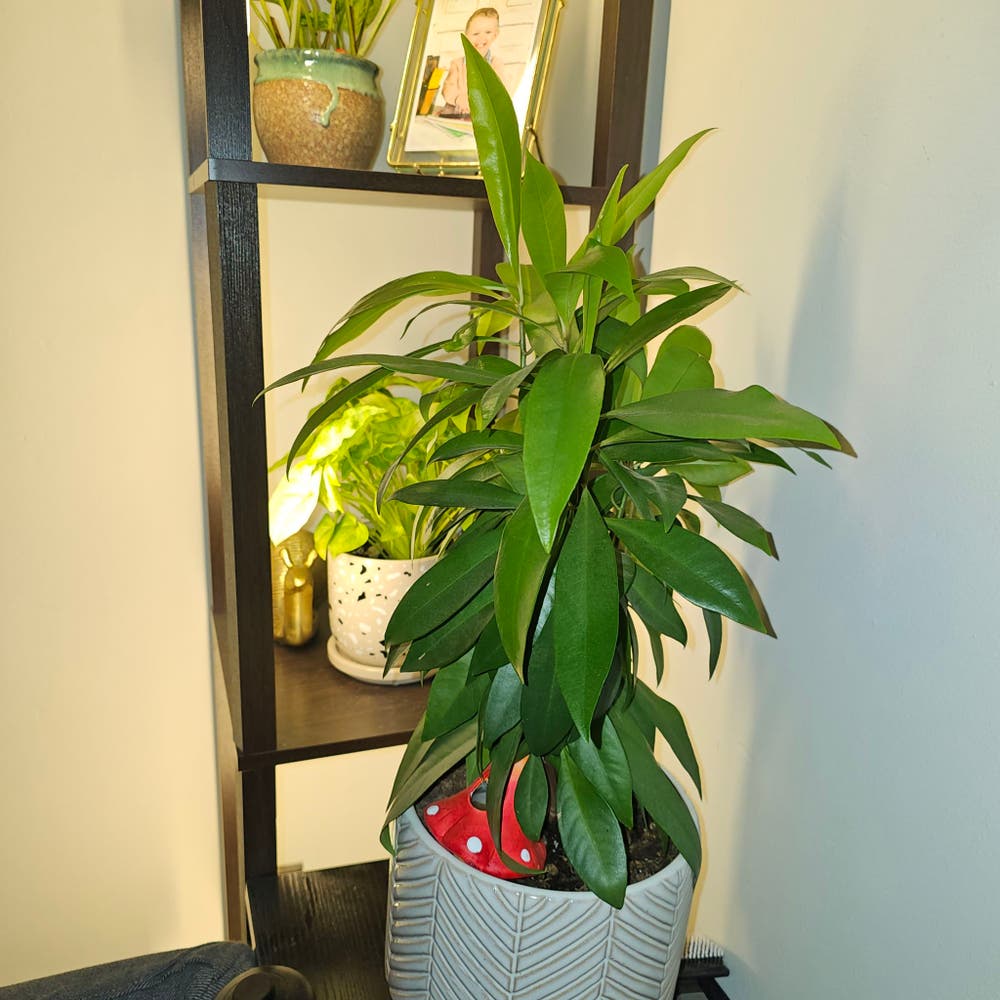
⚠️ What Should I Do When Shoebutton Plant Leaves Turn Yellow?
Ardisia humilis
By the Greg Editorial Team
Feb 10, 2024•3 min read
This article was created with the help of AI so we can cover more plants for you. May contain errors. See one? Report it here.
- Yellow leaves? Overwatering might be the culprit—let soil dry out.
- Underwatered? Water slowly, deeply, and consider moisture-retentive soil.
- Nutrients and light matter—use balanced fertilizer and provide bright, indirect light.
When Too Much Water is a Bad Thing
🚱 Spotting Overwatering Symptoms
Yellowing leaves and soggy soil are the distress signals of your Shoebutton Plant. If the leaves drop like flies and the soil feels like a wet sponge, you're in overwatering territory. Watch for brown spots with a yellow halo on the leaves—your plant's way of waving a white flag. Mold or fungus on the soil? That's the red alert.
🚑 Saving a Drenched Plant
Stop watering immediately and let the soil dry out. If root rot has set in, it's time for plant surgery. Remove the plant from its pot, cut away any rotten roots, and repot in fresh, well-draining soil. Make sure your pot has proper drainage holes, or add a layer of gravel at the bottom. This is the plant equivalent of CPR—urgent and potentially life-saving.
Thirsty Leaves: The Underwatering Dilemma
🏜️ Recognizing a Parched Plant
Dry soil and droopy leaves are telltale signs your Shoebutton Plant is dehydrated. If the leaves resemble crispy autumn foliage, it's time to take action. A lightweight pot is another red flag; it often means the soil is bone-dry. Check the soil's top inch—if your finger comes out clean, your plant's thirst needs quenching.
🚰 Quenching Your Plant's Thirst
Water slowly and deeply, ensuring moisture reaches the roots without flooding the plant. If the soil dries out faster than your enthusiasm on a Monday, consider repotting with a moisture-retentive mix. Adjust your watering schedule, but remember, consistency is key. The goal is moist, not soggy—think of it as giving your plant a steady sip, not a gulp.
Feeding Your Plant: Nutrient Deficiencies Uncovered
🍽️ Detecting a Hungry Plant
Yellow leaves on your Shoebutton Plant can be a distress signal for nutrient deficiency. Nitrogen and iron are common culprits, often leaving leaves pale or yellowed. If older leaves are yellowing, suspect nitrogen; if new growth is pale, iron could be the issue. A soil test can confirm your suspicions, revealing what's missing from your plant's diet.
🥦 The Right Diet for Vibrant Leaves
Choosing the correct fertilizer is like picking the perfect meal for a picky eater—it's got to have all the right stuff. A balanced, water-soluble fertilizer is your best bet. Apply at half-strength every 4-6 weeks during the growing season to avoid overfeeding. If you've been heavy-handed, flush the soil with water to prevent nutrient burn. Remember, vibrant color and robust growth are signs of a well-fed plant. Keep an eye out for these, and adjust your feeding regimen accordingly.
Let There Be Light (But Not Too Much)
🌞 Finding the Sweet Spot for Sunlight
Bright, indirect light is the Goldilocks zone for your Shoebutton Plant. Direct sunlight is a no-go; it's like putting your plant in the middle of a desert without sunscreen. On the flip side, too little light turns your vibrant green buddy into a sad, leggy shadow of its former self. Aim for a spot near a window draped with sheer curtains or somewhere bathed in the soft glow of a skylight.
🌱 Transitioning to Better Lighting
Moving your plant isn't about playing hot potato; it's a thoughtful shuffle to the right spot. Gradual moves are key to avoid shocking your leafy friend. If you're transitioning to a brighter spot, do it over a week or so, inching it closer each day. This way, your plant won't throw a fit and drop leaves like they're going out of style. And remember, as seasons change, so should your plant's position. Keep an eye on the light, and don't be afraid to play musical chairs to keep those leaves happy.
⚠️ Safety First
This content is for general information and may contain errors, omissions, or outdated details. It is not medical, veterinary advice, or an endorsement of therapeutic claims.
Always consult a qualified healthcare professional before using any plant as food, medicine, or supplement.
Never eat any plant (or feed one to pets) without confirming its identity with at least two trusted sources.
If you suspect poisoning, call Poison Control (800) 222-1222, the Pet Poison Helpline (800) 213-6680, or your local emergency service immediately.
Spotted an error? Please report it here.
Revive your shoebutton plant from yellowing woes with Greg's PlantVision 🌿, ensuring optimal watering and care for lush, vibrant leaves.