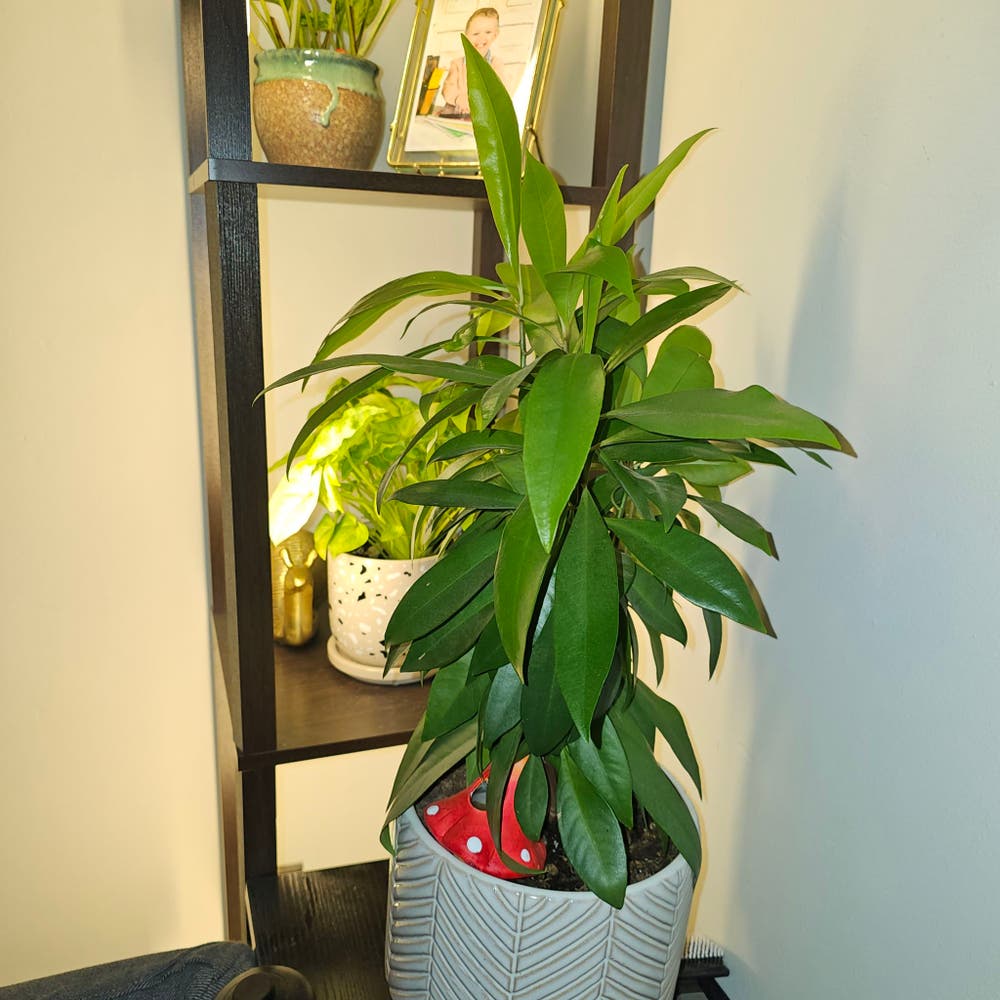
My Shoebutton Plant's Light Needs
Ardisia humilis
By the Greg Editorial Team
Feb 10, 2024•5 min read
This article was created with the help of AI so we can cover more plants for you. May contain errors. See one? Report it here.
- 🌳 Dappled sunlight outdoors mimics Shoebutton Plant's natural habitat.
- 🏡 East or west-facing windows are best for indoor light.
- 💡 LED grow lights offer energy-efficient, heat-minimizing indoor lighting.
Soaking Up the Sun: Outdoor Light Preferences
🌞 Finding the Sweet Spot
Your Shoebutton Plant loves the sunshine, but not too much. It's a delicate dance between basking in the light and lounging in the shade. Dappled sunlight is the ideal, mimicking the plant's natural habitat under a forest canopy. Look for a spot that gets morning sun and afternoon shade, giving your plant a healthy dose of photons without the risk of a sunburn.
🛡️ Protecting Your Green Buddy
When the sun's rays get too intense, your Shoebutton might start to feel the burn. Shade cloth can act as a lifesaver, filtering the light and keeping your plant from turning into a crispy critter. Keep an eye out for leaves that look like they've spent too long at a desert festival—faded, crispy, or wilting. These are telltale signs of light stress, and they're your cue to move your plant to a kinder, gentler spot.
Basking Indoors: Crafting the Perfect Indoor Light Environment
💡 Window Wisdom
Selecting the ideal window exposure for your indoor Shoebutton Plant is more art than science. East or west-facing windows are your plant's best friends, offering that Goldilocks zone of light—bright, but not scorching. Remember, the size of the window and external factors like trees can play a role in light intensity.
Avoid the temptation to park your Shoebutton Plant on a south-facing sill unless you're aiming for a plant tan (spoiler: you're not). Direct sunlight is a no-go; think of it as sunbathing without sunscreen for your green buddy.
💡 Light Hacks for Low-Light Homes
Stuck with a cave-like corner? Get creative. Mirrors can bounce light around, and a well-placed shiny surface might just be the beacon your plant needs.
Consider moving your Shoebutton Plant closer to the window during the winter months, and pull it back when summer turns up the heat. It's not just a move; it's a strategic dance with the seasons. If your plant's leaves start to look more like crispy autumn leaves than lush greenery, it's time to rethink your light strategy.
Boosting Blooms with Brightness
💡 The Light-Flower Connection
To coax your Shoebutton Plant into a floral spectacle, it's crucial to understand the light-flower connection. Light quantity and quality are the maestros conducting your plant's blooming orchestra. Too little light, and your plant's flowering potential is stifled, leaving you with a lush but bloom-less greenery. Conversely, too much light can lead to stress and scorching, a surefire way to halt those coveted flowers in their tracks.
Timing and duration of light exposure are equally pivotal. Your Shoebutton Plant craves consistency. Aim for a steady rhythm of bright, indirect light to encourage the buds to break free. Think of it as setting a daily alarm for your plant to wake up and get its bloom on.
💡 Timing and Duration
The sweet spot for blooming often lies in the seasonal shifts of light. As spring ushers in longer days, it's your cue to ensure your Shoebutton Plant is positioned to soak up those extra rays. During summer, when the sun is a relentless overachiever, you might need to dial back the exposure, especially during peak hours, to prevent a floral sunburn.
Remember, the goal is to mimic the plant's natural habitat. For the Shoebutton Plant, this means bright, indirect light for most of the day. Rotate the plant regularly to ensure even light distribution; think of it as giving each side of the plant its moment in the spotlight. This prevents the one-sided growth and promotes a more uniform and abundant flowering.
Keep an eye out for the first signs of budding and adjust your lighting strategy accordingly. If the plant is indoors, consider moving it closer to a window or supplementing with a grow light as the days shorten. Outdoors, you may need to provide some shade during the hottest part of the day. It's all about finding that Goldilocks zone of light for your Shoebutton Plant to thrive and bloom.
Grow Lights: The Indoor Sun Substitute
💡 Choosing Your Plant's Artificial Sun
Selecting the right grow light for your Shoebutton Plant can feel like matchmaking. LED grow lights are the energy-efficient charmers, offering a full spectrum of light that's gentle on your utility bill. They produce less heat, reducing the risk of turning your plant into a crispy critter. On the other hand, fluorescent grow lights are the wallet-friendly option, providing a broad spectrum of light that's akin to natural sunlight.
Setting up your grow light system is straightforward. Place the light above the plant, adjusting the distance to suit the light intensity your Shoebutton Plant craves. Too close, and you're in the danger zone; too far, and it's like whispering sweet nothings from across a football field.
⏰ Timing is Everything
Scheduling light sessions with grow lights is crucial; it's about replicating the natural ebb and flow of daylight. Use timers to automate this process, giving your plant a consistent light diet that aligns with its circadian rhythm.
Monitoring your plant's response to artificial lighting is non-negotiable. Look out for signs of discontent – drooping leaves or a lackluster appearance. Adjust the light intensity and duration accordingly, because even plants can get grumpy with the wrong amount of light.
⚠️ Safety First
This content is for general information and may contain errors, omissions, or outdated details. It is not medical, veterinary advice, or an endorsement of therapeutic claims.
Always consult a qualified healthcare professional before using any plant as food, medicine, or supplement.
Never eat any plant (or feed one to pets) without confirming its identity with at least two trusted sources.
If you suspect poisoning, call Poison Control (800) 222-1222, the Pet Poison Helpline (800) 213-6680, or your local emergency service immediately.
Spotted an error? Please report it here.
Ensure your Shoebutton Plant thrives in the perfect spot of sunshine ☀️ by using Greg's PlantVision to measure light intensity and get reminders for seasonal adjustments.