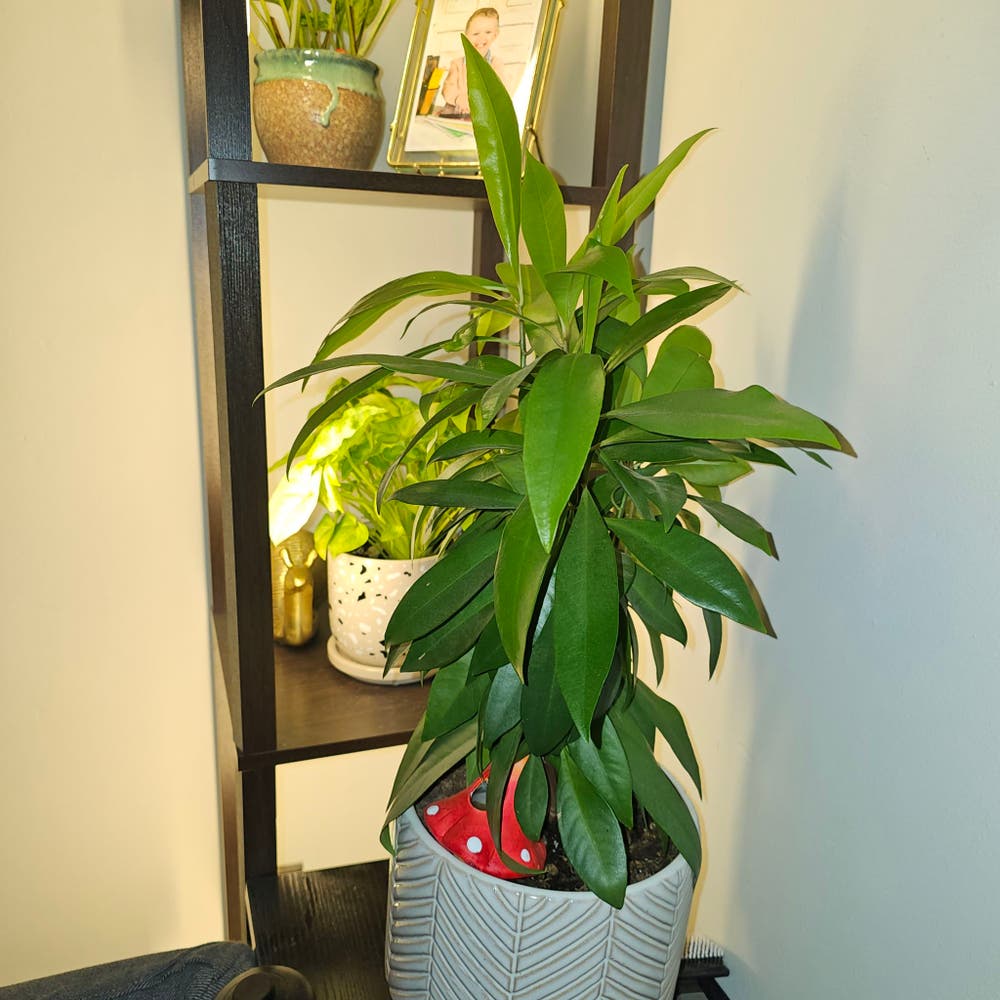
🌸 Introduction to Chinese Ardisia
Ardisia humilis
By the Greg Editorial Team
Feb 02, 2025•12 min read
This article was created with the help of AI so we can cover more plants for you. May contain errors. See one? Report it here.
- 🌱 Chinese Ardisia thrives in partial shade; choose the right light for optimal growth.
- 🌿 Well-draining, fertile soil is crucial; enrich with organic matter for success.
- 💧 Consistent moisture is key; avoid overwatering to prevent root rot.
How to Grow
Choosing a Location 🌳
When growing Chinese Ardisia, light conditions are crucial. This plant thrives in partial shade, which helps prevent leaf scorch and keeps it healthy.
Consider whether to grow it outdoors or in containers. Outdoor environments offer more space, while containers provide flexibility and easier management.
Soil Preparation 🏞️
The right soil is vital for your plant's success. Aim for well-draining, fertile soil enriched with organic matter to promote healthy growth.
Additionally, check the pH level of your soil. Chinese Ardisia prefers a slightly acidic to neutral pH, ideally between 6.0 and 7.0.
Planting Techniques 🌱
Proper planting techniques set the foundation for your plant's health. Ensure the root ball is level with the soil surface when planting.
For outdoor planting, space your plants 2-3 feet apart. This allows for adequate air circulation and room for growth.
Watering Requirements 💧
Watering is essential for maintaining moisture without overdoing it. Keep the soil consistently moist but avoid waterlogging, which can lead to root rot.
Be aware of the signs of overwatering and underwatering. Yellowing leaves may indicate too much water, while wilting suggests a need for more moisture.
Fertilizing Schedule 🌼
A balanced approach to fertilizing will support your plant's growth. Use a balanced NPK fertilizer to provide essential nutrients.
Fertilize monthly during the growing season to keep your Chinese Ardisia thriving. This regular feeding will encourage lush foliage and vibrant berries.
Pruning Methods ✂️
Pruning is key to maintaining a healthy plant. The best time to prune is late winter or early spring, just before new growth begins.
Focus on removing dead or damaged branches. This encourages new growth and helps maintain the plant's shape.
Ongoing Care 🔍
Ongoing care is crucial for long-term success. Regularly monitor your plant for pests and diseases to catch any issues early.
Adjust your care routine based on seasonal changes. This adaptability will help your Chinese Ardisia flourish throughout the year.
With these guidelines, you're well on your way to growing a healthy and vibrant Chinese Ardisia. Next, let's explore the various methods of propagation to expand your garden even further!
Propagation
🌱 Seed Propagation
To propagate Chinese Ardisia from seeds, start by soaking the seeds for 24 hours. After soaking, plant them in moist soil and maintain high humidity to encourage germination, which typically takes about 4-6 weeks.
✂️ Cutting Propagation
For cutting propagation, select healthy cuttings that are 4-6 inches long. Use a rooting medium that combines peat and perlite for optimal growth.
🌿 Division Propagation
The best time to propagate through division is in spring or fall. Carefully separate the root clumps and replant them to ensure they thrive in their new locations.
With these propagation methods, you can easily expand your collection of Chinese Ardisia and enjoy its beauty in various settings. Next, let’s explore the lifecycle of this fascinating plant.
Lifecycle
Lifecycle Stages 🌱
Chinese Ardisia is a perennial plant, meaning it lives for multiple years, unlike annuals that complete their life cycle in one season. This longevity allows gardeners to enjoy its beauty year after year.
Germination Process 🌼
Successful germination requires specific conditions: warm temperatures, adequate moisture, and light. Providing these elements will encourage seeds to sprout within a few weeks.
Seedling Stage 🌿
During the seedling stage, the plant develops true leaves and establishes its root system. This is a crucial period where proper care ensures healthy growth.
Vegetative Growth 🌳
As the plant enters vegetative growth, it focuses on expanding its leaves and overall structure. This stage is characterized by lush foliage, which is vital for photosynthesis.
Flowering and Seed Production 🌸
Flowering typically occurs in late summer to early fall, leading to the production of berries. These berries not only add visual interest but also serve as a food source for wildlife.
Lifespan and Growth Rate ⏳
Chinese Ardisia has an average lifespan of 5-10 years, with a moderate growth rate. It typically reaches maturity in about 2-3 years, making it a rewarding addition to any garden.
Understanding the lifecycle of Chinese Ardisia helps gardeners provide the right care at each stage, ensuring a thriving plant that enhances their landscape. Next, we’ll explore how to effectively size and space your plants for optimal growth.
None
Roots
Root System Characteristics 🌱
Chinese Ardisia features a fibrous root system that is essential for its stability and nutrient uptake. This type of root system is shallow but extensive, allowing the plant to spread out and efficiently absorb moisture and nutrients from the top layers of the soil.
Common Root-Related Issues ⚠️
Root rot is a significant concern for Chinese Ardisia, often caused by overwatering or poorly draining soil. Signs of root rot include yellowing leaves, wilting, and a foul smell emanating from the soil.
To maintain healthy roots, it's crucial to identify healthy versus unhealthy roots. Healthy roots are firm and white, while unhealthy roots appear brown and mushy.
Another common issue is rootbound plants, which occur when roots grow too densely in their container. If you notice roots circling the pot or emerging from drainage holes, it's time to repot your plant into a larger container to encourage healthy growth.
By keeping an eye on these root-related issues, you can ensure your Chinese Ardisia thrives in your garden or home. Next, let’s explore the benefits of growing this beautiful plant.
Benefits
Top 5 Benefits 🌟
1. Ornamental Appeal
Chinese Ardisia is a showstopper in any garden. Its lush foliage and vibrant berries add a splash of color and texture, making it a favorite among plant enthusiasts.
2. Cultural Significance
This plant holds a special place in feng shui and traditional medicine. Many believe it brings good luck and positive energy, enhancing its value beyond mere aesthetics.
3. Air Purification
Not only does it look good, but Chinese Ardisia also contributes to indoor air quality. It helps filter out toxins, making your living space healthier.
4. Wildlife Attraction
The berries of Chinese Ardisia are a magnet for birds. This makes it a great addition to any garden, providing food for local wildlife and enhancing biodiversity.
5. Low Maintenance
Perfect for beginner gardeners, this plant requires minimal care. Its resilience and adaptability make it an excellent choice for those new to gardening.
These benefits highlight why Chinese Ardisia is a fantastic addition to your home or garden. Whether you're looking for beauty, cultural significance, or ease of care, this plant has it all.
Next, let’s explore the concept of companion planting and discover which plants thrive alongside Chinese Ardisia.
Companion Plants
🌱 Concept of Companion Planting
Companion planting is a gardening strategy that enhances diversity and promotes pest management. By selecting the right plants to grow together, you can create a more resilient garden ecosystem.
🌼 Best Companion Plants
When it comes to Chinese Ardisia, consider pairing it with ferns, hostas, and other shade-tolerant perennials. These companions thrive in similar light and moisture conditions, making them ideal partners for your Ardisia.
- Ferns: Their lush foliage complements Ardisia's aesthetic while thriving in similar environments.
- Hostas: These plants not only share care requirements but also add texture and color to your garden.
- Shade-tolerant perennials: They provide a diverse backdrop, enhancing the overall beauty of your garden.
🚫 Plants to Avoid
Be cautious of plants that compete for nutrients and space. Avoid aggressive growers that may overshadow or outcompete your Chinese Ardisia, ensuring it has the resources it needs to thrive.
Incorporating the right companions can elevate your gardening experience, making it more enjoyable and productive. Now that you have a grasp on companion planting, let’s explore the potential pest issues that may arise in your garden.
Toxicity to Humans
🛡️ Safety Overview
Chinese Ardisia is generally safe for humans, as it is not listed as toxic by major poison control centers. However, it's wise to be cautious; consuming large quantities may lead to mild skin irritation or digestive discomfort.
⚠️ Cautionary Measures
Always exercise caution with any plant. If you experience unusual symptoms after contact or ingestion, seeking medical advice is the best course of action.
💭 Final Thoughts
While Chinese Ardisia can be a beautiful addition to your garden or home, understanding its safety profile ensures a worry-free experience. Enjoy its ornamental appeal while keeping a mindful approach to plant care!
Toxicity to Dogs
Safety Overview 🐶
Chinese Ardisia is not considered toxic by major pet poison control centers. This means your furry friends can enjoy the garden without major concerns.
Minor Issues 🐾
While generally safe, excessive consumption may lead to mild gastrointestinal upset in dogs. It's always wise to monitor their behavior around new plants.
Tips for Dog Owners 🏡
To ensure a safe environment, place Chinese Ardisia in areas that are less accessible to your pets. Regularly check on your dog's interactions with the plant to prevent any potential issues.
With these precautions, you can enjoy the beauty of Chinese Ardisia while keeping your canine companions safe. Next, let’s explore how this plant interacts with our feline friends.
Toxicity to Cats
Safety Overview 🐱
Chinese Ardisia is not listed as toxic by major pet poison control centers, making it a safer choice for households with cats. However, it's always wise to keep an eye on your feline friends, as excessive consumption can lead to mild gastrointestinal upset.
Monitoring Cat Behavior 👀
To ensure your cat stays safe, consider the placement of your Chinese Ardisia. Position it out of reach or in areas where your cat doesn't typically roam.
Tips for Care 🌿
- Observe: Watch for any unusual behavior after introducing the plant.
- Educate: Familiarize yourself with signs of distress in your cat, such as vomiting or lethargy.
- Consult: If you notice any concerning symptoms, don’t hesitate to reach out to your veterinarian.
By taking these precautions, you can enjoy the beauty of Chinese Ardisia while keeping your furry companions safe. Now, let’s explore the potential problems that can arise when growing this lovely plant.
Problems
Common Problems 🌱
Maintaining a healthy Chinese Ardisia can be challenging. Here are some common problems to watch out for.
Incorrect Watering 🚰
Watering issues are among the most frequent problems. Overwatering can lead to root rot, while underwatering may cause wilting and leaf drop.
Signs of Overwatering:
- Yellowing leaves
- Mushy roots
Signs of Underwatering:
- Crispy leaf edges
- Soil pulling away from the pot
Incorrect Light Conditions ☀️
Light conditions play a crucial role in the plant's health. Too much direct sunlight can scorch the leaves, while insufficient light can stunt growth.
Symptoms of Too Much Light:
- Leaf scorch
- Faded colors
Symptoms of Too Little Light:
- Leggy growth
- Slow development
Incorrect Temperature 🌡️
Temperature extremes can stress your Chinese Ardisia. Ideally, it thrives in moderate temperatures, and fluctuations can lead to various issues.
Effects of Temperature Extremes:
- Cold drafts can cause leaf drop.
- High heat may lead to wilting.
Diseases 🦠
Fungal diseases can be a significant threat to your plant's health. Identifying and managing these issues early is essential for recovery.
Common Fungal Issues:
- Powdery mildew
- Root rot
Management Strategies:
- Improve air circulation
- Use fungicides as needed
Leaf Issues 🍃
Leaf problems can signal underlying health concerns. Pay attention to any changes in leaf appearance.
Symptoms to Watch For:
- Scorching: Brown tips and edges
- Yellowing: Nutrient deficiencies or overwatering
- Fuzzy growth: Possible fungal infection
By keeping an eye on these common problems, you can ensure your Chinese Ardisia remains healthy and vibrant. Next, let’s explore the various pests that might threaten your plant's well-being.
Bugs
Potential Pest Issues 🐜
Chinese Ardisia is generally resilient, but it can still fall prey to a few pesky pests. Understanding their potential impact is crucial for maintaining a healthy plant.
Common Pests 🕷️
Be on the lookout for these common culprits:
- Spider Mites: Tiny, spider-like creatures that thrive in dry conditions.
- Scale Insects: Small, immobile pests that attach themselves to stems and leaves.
- Mealybugs: White, cottony masses that can weaken your plant.
- Aphids: Small, green or black insects that suck sap from the leaves.
- Whiteflies: Tiny, white insects that flutter when disturbed.
Damage Caused by Pests ⚠️
Each pest leaves its mark. Spider mites cause stippling on leaves, while scale insects create yellowing and wilting. Mealybugs can lead to a sticky residue, and aphids often result in curled leaves. Whiteflies can cause similar damage, leading to a decline in overall plant health.
Effective Treatment Options 💪
Combat these pests with a mix of organic and chemical methods.
- Organic Solutions: Introduce beneficial insects like ladybugs or use insecticidal soap to target pests without harming your plant.
- Chemical Treatments: For severe infestations, consider using neem oil or other targeted pesticides.
Regular monitoring and prompt action can keep your Chinese Ardisia thriving. With the right care, you can enjoy its beauty without the worry of pest damage.
Next, let’s explore what animals might be interested in snacking on your beloved plant.
What Eats
Common Animals 🦌
Chinese Ardisia can attract a variety of wildlife, which may pose a threat to its health. Common culprits include deer, rabbits, squirrels, birds, rodents, and groundhogs.
Signs of Animal Presence 🕵️♂️
Identifying signs of animal activity is crucial for protecting your plants. Look for tracks, droppings, and specific damage patterns on the leaves or stems.
Types of Damage Caused 🐾
Animals can inflict various types of damage on Chinese Ardisia. This includes nibbling on leaves, uprooting young plants, and even stripping berries from branches.
Deterrent Methods 🚧
To safeguard your Chinese Ardisia, consider implementing several deterrent strategies. Fencing, using repellents, and planting companion plants can help keep these hungry visitors at bay.
By being proactive, you can enjoy the beauty of your Chinese Ardisia without the worry of unwanted munchers. Next, let’s explore the potential pest issues that could affect your plant’s health.
⚠️ Safety First
This content is for general information and may contain errors, omissions, or outdated details. It is not medical, veterinary advice, or an endorsement of therapeutic claims.
Always consult a qualified healthcare professional before using any plant as food, medicine, or supplement.
Never eat any plant (or feed one to pets) without confirming its identity with at least two trusted sources.
If you suspect poisoning, call Poison Control (800) 222-1222, the Pet Poison Helpline (800) 213-6680, or your local emergency service immediately.
Spotted an error? Please report it here.
Cultivate a thriving Chinese Ardisia 🌱 with Greg's personalized care tips and reminders, ensuring your plant flourishes beautifully while attracting wildlife to your garden!