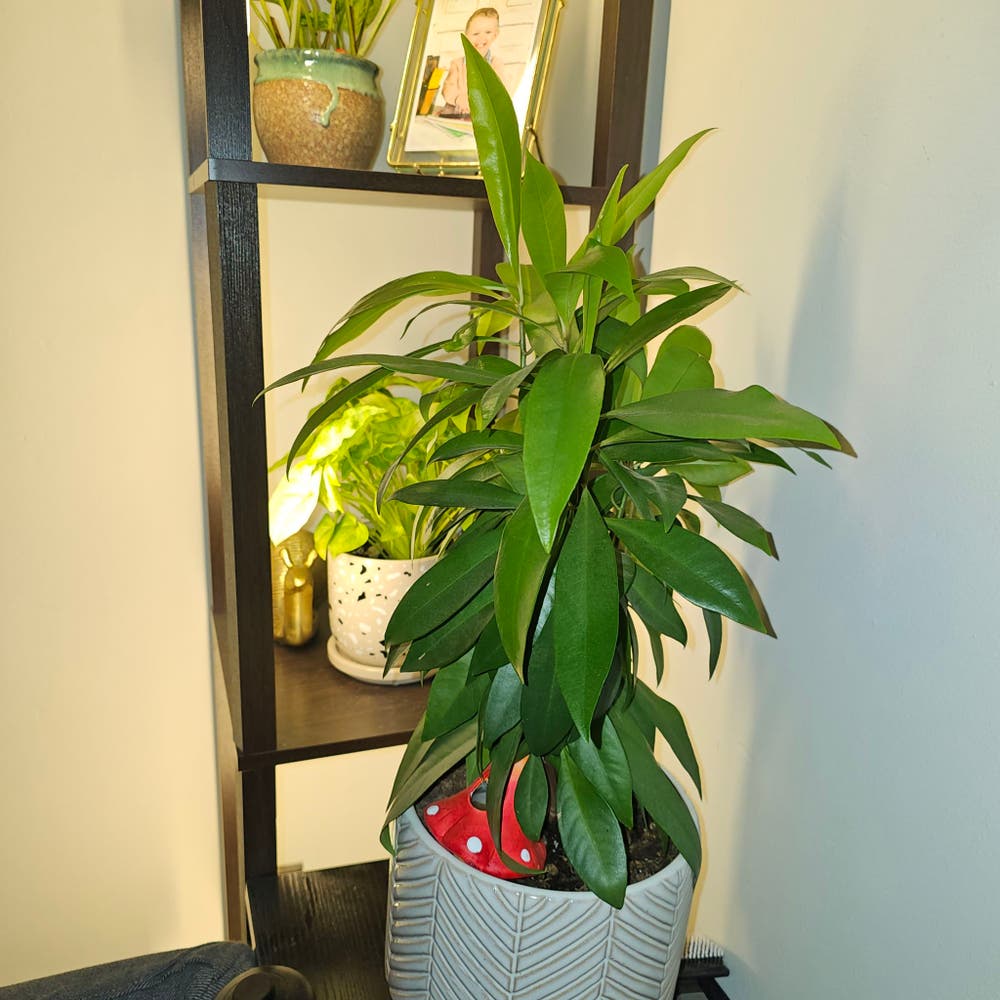
Why Are My Shoebutton Plant Leaves Dropping?
Ardisia humilis
By the Greg Editorial Team
Feb 10, 2024•6 min read
This article was created with the help of AI so we can cover more plants for you. May contain errors. See one? Report it here.
- Erratic leaf loss signals stress; look for off-season drops and black spots.
- 🌱 Overwatering and underwatering both harm; adjust watering and monitor soil moisture.
- Pests and nutrients matter: manage pests and fertilize properly for plant health.
Spotting the Signs: When Leaf Drop is More Than Just Natural
🍂 Recognizing Abnormal Leaf Drop
A Shoebutton Plant parting with leaves like a tree in fall is a cry for help. If you're witnessing a leaf exodus from all over, not just the seasoned lower leaves, it's time to troubleshoot. Consistency in shedding patterns is normal; erratic leaf loss is a red flag. Look for leaves dropping off-season or in conjunction with other symptoms like black spots or stunted growth.
🩺 Quick Health Check
Visual cues are telling; inspect your plant for discoloration or spots that seem out of the ordinary. Healthy leaves should be vibrant, not looking like they've been through a rough night. When it comes to soil moisture, your fingers are the best tools. Dive in and feel around; the soil should be moist but not soggy—think a wrung-out sponge, not a swamp. Check the roots too; they should be firm and white, not brown and mushy. If they're the latter, your plant's SOS just turned into a 911.
Water Woes: Striking the Right Balance
💦 The Perils of Overwatering
Yellowing leaves and a soggy soil are your Shoebutton Plant waving a white flag. Overwatering can lead to a root rot horror show, where the roots are as mushy as overcooked noodles.
- Signs: Look out for leaves that droop with a lack of life or stems that feel like they've done ten rounds with a water balloon.
- Foul Odor: A stench from the soil is your cue to act fast; it's the smell of decay, and nobody signed up for that.
🚰 Steps to Rescue an Overwatered Plant
- Drainage Check: Ensure your pot isn't holding water hostage. If it is, consider a pot with better drainage.
- Root Rendezvous: Gently remove your plant and check the roots. If they're brown and slimy, it's time to channel your inner surgeon and trim the damage.
- Soil Swap: Replace the waterlogged soil with fresh, well-draining mix. Your plant will thank you.
- Watering Rethink: Adjust your watering habits. If the top inch of soil is damp, skip the watering can.
🏜️ The Thirsty Plant: Underwatering Issues
Crispy leaves and soil that crumbles like stale bread are tell-tale signs of a Shoebutton Plant crying out for water. Underwatering turns your plant into a dry husk, eager for hydration.
- Symptoms: Wilted leaves and stunted growth are your plant's way of saying, "I'm parched!"
- Soil Gap: If the soil has pulled away from the pot's edge, it's more than thirsty; it's in a drought.
💧 How to Rehydrate without Overcompensating
- Even Moisture: Water your plant slowly and thoroughly, allowing the soil to absorb moisture without becoming waterlogged.
- Monitor: Keep an eye on the soil moisture. Your plant isn't on a drinking schedule; it's a living thing that needs care based on its environment.
- Adjust: Adapt your watering routine to the seasons. Your Shoebutton doesn't need a flood in the cooler months.
Remember, your Shoebutton Plant isn't trying to give you a hard time. It's all about finding that sweet spot where the leaves are as perky as a morning without an alarm clock.
Creating the Perfect Environment
💡 Light, Temperature, and Drafts
Adjust your Shoebutton Plant's position for that sweet spot of bright, indirect light. Too much sun and it's a crispy critter, too little and it's a sad, stretching shadow of itself. Rotate the pot occasionally to keep growth even and prevent your plant from doing the Leaning Tower of Pisa impression.
Temperature is a big deal—keep it comfy between 60-75°F (15-24°C). Your plant doesn't have a sweater for those chilly drafts, so keep it away from windows and doors that bring the cold. And remember, heating vents are a no-go zone.
🌿 Humidity and the Shoebutton Plant
Tropical plants like the Shoebutton are humidity hounds. They love that moist air. If your home is drier than a stand-up comedian's wit, it's time to up the humidity. A pebble tray or humidifier can work wonders, just don't turn your living room into a rainforest.
Keep the air moving, but not too much. You want a gentle breeze, not a wind tunnel. Grouping plants can create a mini-humidity haven, but keep an eye out for any unwanted pest parties.
Feeding Your Shoebutton Plant: Nutrients and Fertilization
💡 Identifying Nutrient Deficiencies
Yellowing leaves or stunted growth can be distress signals from your Shoebutton Plant, indicating a lack of essential nutrients. It's your plant's way of crying out for help.
Nitrogen, phosphorus, and potassium are the big three when it comes to your plant's diet. Skimp on these, and you're neglecting your plant's basic needs. Iron, calcium, and magnesium might not grab headlines, but they're just as crucial for your plant's wellbeing.
🍽️ Choosing the Right Fertilizer
Select a balanced fertilizer to avoid the nutrient equivalent of a sugar rush. Over-fertilization can lead to root burn and droopy leaves, so follow the instructions with the precision of a master chef following a cake recipe.
👩🌾 The Feeding Schedule
Fertilize your Shoebutton Plant with the regularity of a well-oiled routine, not a frantic scramble. Watch your plant's response and adjust as needed. This isn't a set-it-and-forget-it deal; it's an ongoing dialogue with your green buddy.
Feed lightly; think of it as a snack rather than a feast. Too much enthusiasm with the fertilizer can overwhelm your plant faster than a kid in a candy store. Stick to a schedule that supports growth without causing a nutrient party hangover.
Defending Against Invaders: Pest Management
🐛 Common Culprits in Leaf Drop
Leaf drop in Shoebutton Plants can often be traced back to pesky invaders. Vigilance is key in identifying pests early. Look out for aphids, mealybugs, and spider mites, which are akin to the usual suspects in a lineup of garden villains. They're tiny, but they leave clues like yellowing leaves or a sticky residue.
🛠 DIY and Commercial Solutions
For a hands-on approach, a blast of water can knock aphids right off their feet. Neem oil and insecticidal soap are your go-to ninjas, slicing through infestations with stealth. In dire cases, you might reach for the big guns—chemical pesticides—but let's not turn your garden into a war zone unless absolutely necessary.
💡 Prevention is Better Than Cure
Routine checks are your plant's personal bodyguards. Inspect the undersides of leaves and don't overlook new plants—quarantine them like they're fresh off an international flight. Pruning can act like a strategic game of chess, removing the bridge pests use to mount their attack.
🌿 Creating a Hostile Environment for Pests
Humidity and cleanliness aren't just nice-to-haves; they're your plant's BFFs. Keep the air moving and the leaves dry to avoid rolling out the red carpet for uninvited guests. And remember, the best offense is a good defense; a happy Shoebutton Plant is less likely to attract the attention of pests looking for their next victim.
⚠️ Safety First
This content is for general information and may contain errors, omissions, or outdated details. It is not medical, veterinary advice, or an endorsement of therapeutic claims.
Always consult a qualified healthcare professional before using any plant as food, medicine, or supplement.
Never eat any plant (or feed one to pets) without confirming its identity with at least two trusted sources.
If you suspect poisoning, call Poison Control (800) 222-1222, the Pet Poison Helpline (800) 213-6680, or your local emergency service immediately.
Spotted an error? Please report it here.
Revive your Shoebutton Plant from untimely leaf drop by tackling its needs head-on, and count on Greg 🍃 to provide precise care reminders that keep your green friend thriving.