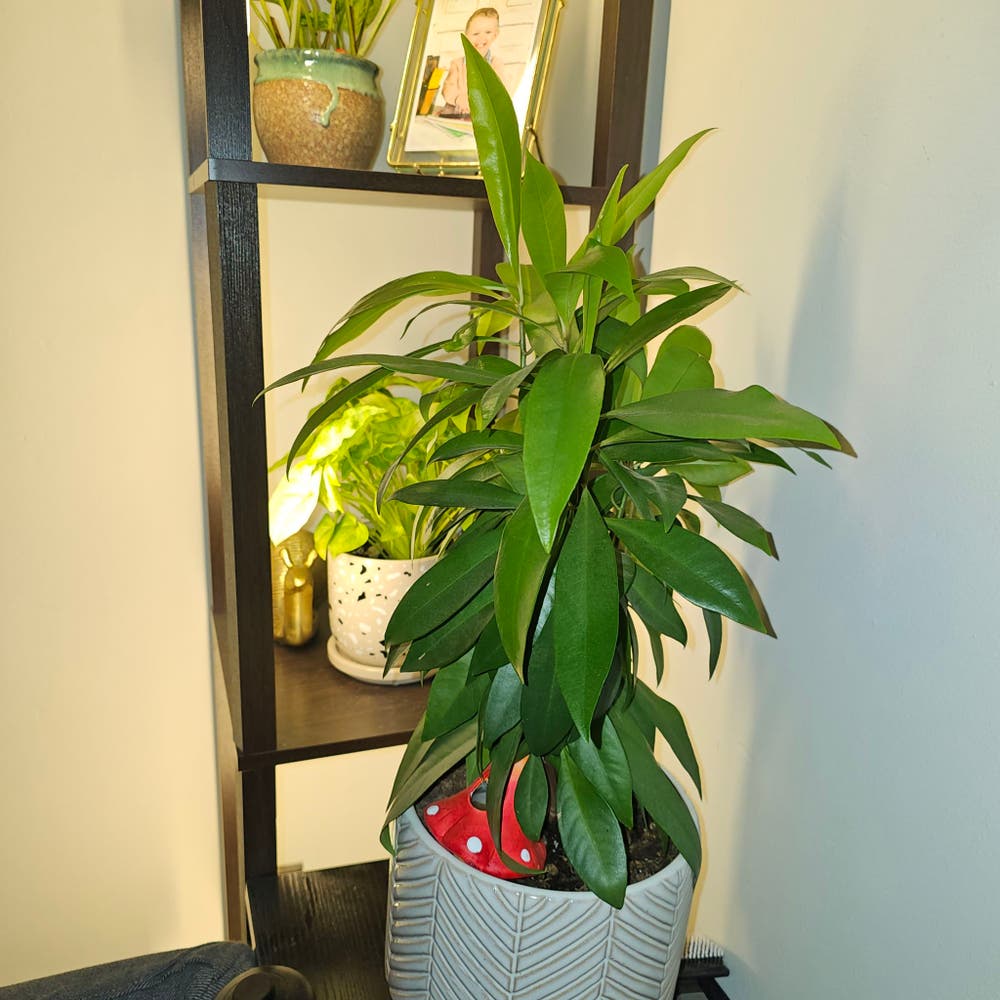
Why Are There Brown Spots on My Shoebutton Plant Leaves?
Ardisia humilis
By the Greg Editorial Team
Feb 10, 2024•4 min read
This article was created with the help of AI so we can cover more plants for you. May contain errors. See one? Report it here.
- Over/underwatering causes brown spots: Check soil moisture before watering.
- Low humidity and fungi: Use humidifiers and ensure good air circulation.
- Consistency and cleanliness: Regular pruning and clean habits prevent disease.
Spotting the Trouble: Identifying Brown Spots on Your Plant
🚩 Visual Symptoms
Brown spots on Shoebutton Plant leaves are like red flags; they demand attention. These spots can range from tiny specks to large patches, and their placement is indiscriminate, from the leaf's edge to its heart. Uniform discoloration might just be old age, but random, isolated spots are your cue: something's up.
🌱 Common Mistakes in Plant Care
Overzealous watering or its opposite, forgetful neglect, often lead to these brown badges of distress. It's not just about quantity; water quality matters too. Hard water can leave behind mineral deposits, a no-no for your plant's health. And remember, consistency in care is key—your plant's not a fan of surprises.
Hitting the Root Cause: What's Behind the Brown Spots?
🚿 Too Much Love: The Overwatering Problem
Overwatering is like a helicopter parent for plants – too much hovering. Signs include soft, dark spots on leaves and a general sogginess. The roots, if examined, might resemble overcooked noodles, indicating root rot. This excess moisture creates a playground for fungi and bacteria, leading to those unsightly brown spots.
🏜️ Thirsty Roots: How Underwatering Takes a Toll
Conversely, underwatering leaves Shoebutton plants feeling like they're stranded in a desert. Symptoms are crispy edges and a parched appearance of the leaves. The plant's cry for help is evident in the brown, dry spots that emerge, particularly on the older leaves near the base.
🌵 Dry Spells: The Impact of Low Humidity
Low humidity can turn a lush Shoebutton into a brown-spotted mess. The air's dryness sucks the moisture right out of the leaves, leaving them with brown patches. It's a subtle thief, often going unnoticed until the damage is done.
🍄 Unwanted Guests: Fungal Infections Explained
Fungi are the artists of plant ailments, creating distinct patterns on leaves. These spots can look like a modern art piece gone wrong. If the brown spots have a concentric ring or a wet appearance, it's time to play detective and treat for fungal infections. Remember, fungi love moisture, so overwatering might just be the invitation they're waiting for.
Turning Over a New Leaf: Fixing the Brown Spot Blues
💧 Fine-Tuning Watering Habits
Before you turn on the tap, check the soil. If it's dry two inches down, your plant's begging for a drink. Overwatering and underwatering are the usual suspects behind those unsightly brown spots. It's like walking a tightrope—balance is everything. Adjust your watering schedule with the seasons; your plant's thirst isn't static.
🌿 Boosting Humidity the Right Way
Low humidity is a silent leaf-killer. Boost moisture levels with a pebble tray or humidifier, but don't create a rainforest in your living room. It's about giving your plant a comforting hug of moist air, not a wet blanket.
🍄 Fungus Among Us: Effective Treatment Options
Spotted a fungal freeloader? It's time to show them the door. Start by removing infected leaves to stop the spread. Improve air circulation—think of it as your plant's personal space bubble. And when it comes to fungicides, go for the safe bets like neem oil or copper-based options. Just remember, reading the label is not just for show—it's a must.
Keeping Spots at Bay: Prevention Strategies
💧 Water Wisdom: Mastering the Art of Hydration
Consistency is your plant's hydration hero. Forget the calendar; let the soil's dryness guide your watering schedule. Feel the top inch of soil—day-old sponge dryness means it's time to water. Early morning watering sessions allow leaves to dry out, slashing the odds of nighttime fungal raves.
💦 Humidity Harmony: Balancing Moisture in the Air
Humidity shouldn't be a guessing game. Arm yourself with a hygrometer to monitor moisture levels like a hawk. If it's too humid, a dehumidifier can cut through the mugginess. Conversely, a pebble tray or humidifier can boost humidity without turning your plant's environment into a swamp.
💨 Airflow and Cleanliness: Your Plant's Best Friends
Think of good airflow as your plant's invisible shield against fungal foes. A fan on low or a spot in a breezy area can work wonders. Cleanliness is your plant's sidekick—keep those leaves dry and the air moving. Regular pruning isn't just a haircut; it's a strategic move for better air circulation and disease prevention.
⚠️ Safety First
This content is for general information and may contain errors, omissions, or outdated details. It is not medical, veterinary advice, or an endorsement of therapeutic claims.
Always consult a qualified healthcare professional before using any plant as food, medicine, or supplement.
Never eat any plant (or feed one to pets) without confirming its identity with at least two trusted sources.
If you suspect poisoning, call Poison Control (800) 222-1222, the Pet Poison Helpline (800) 213-6680, or your local emergency service immediately.
Spotted an error? Please report it here.
Prevent brown spots and ensure your Shoebutton plant thrives with consistent care 🛡️ using Greg's tailored watering schedules and health check reminders!