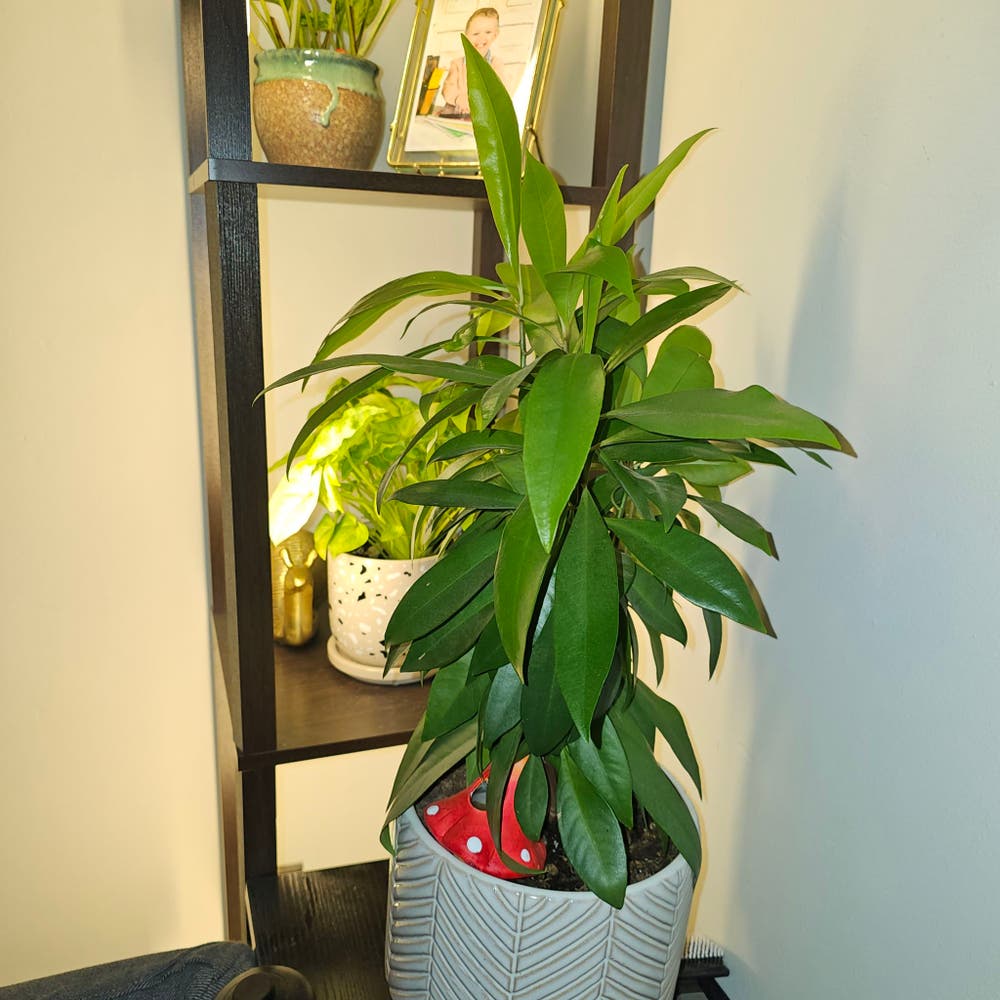
How to Get a Shoebutton Plant to Bloom
Ardisia humilis
By the Greg Editorial Team
Feb 10, 2024•5 min read
This article was created with the help of AI so we can cover more plants for you. May contain errors. See one? Report it here.
- 🌞 Bright, indirect light is crucial for Shoebutton Plant blooms.
- 💧 Consistent watering and humidity foster optimal bloom health.
- ✂️ Prune and feed with phosphorus to encourage flowering.
Light: The Bloom Igniter
⛅️ The Perfect Light for Perfect Blooms
Bright, indirect light is non-negotiable for your Shoebutton Plant to unleash its floral potential. Too direct, and you're signing up for a leaf burn disaster; too dim, and you'll be stuck in a bloomless limbo. Aim for a spot that soaks in the morning sun or basks in the diffused afternoon glow. It's about finding that sweet spot where your plant can sip on sunlight without getting scorched.
🌑 When Your Plant is Left in the Dark
If your Shoebutton Plant's leaves are more droopy than a Monday morning, it's screaming for more light. Legginess and a dull, lackluster appearance are tell-tale signs of a sunlight-deprived plant. To flip the script, consider moving it closer to a window or introducing a grow light to fake a sun-filled day. It's like giving your plant a caffeine shot, minus the jitters. Keep an eye out for changes and adjust your tactics accordingly; it's all about trial and error until you hit the bloom jackpot.
Temperature and Humidity: Setting the Stage for Blooms
🌡️ Warmth and Moisture: The Blooming Duo
Ideal temperature for your Shoebutton Plant to bloom is a cozy range between 65°F and 75°F. Stray outside this range, and you might as well be telling your plant to forget about putting on a floral display. As for humidity, think tropical paradise—aim for 40%-60%. Anything less, and your blooms might throw in the towel; more, and you're in a fungus fest.
Creating a microclimate is like throwing a VIP party for your plant. Group it with other plants, use a pebble tray, or invest in a humidifier. Just make sure the air isn't stagnant—keep it moving with a fan set on low, because nobody likes a stale party.
🚫 When Conditions Aren't Right
If your Shoebutton Plant is looking more down than a teenager on a bad hair day, it's time to check the thermostat. Drooping leaves or a lack of growth could mean your plant is too cold. On the flip side, if the leaves are as crisp as burnt toast, it's probably too hot.
Adjusting your care with the seasons is like updating your wardrobe—necessary and sensible. In winter, dial down the watering but keep the warmth steady. Summer might call for more frequent watering, but don't let the temperature soar. Keep it stable, and your Shoebutton Plant will reward you with blooms that'll make your heart sing.
Pruning and Feeding: The Growth Promoters
✂️ Snip and Shape for Showy Flowers
Pruning isn't just about keeping your Shoebutton Plant tidy; it's a strategic move to encourage blooms. By cutting back overgrown branches, you're redirecting the plant's energy towards flowering. Early spring is the best time to prune, just before the growth season kicks in. This timing allows the plant to heal and push out new growth that's primed for blooming.
🌱 Nutrient Know-How for Flower Power
Your Shoebutton Plant craves nutrients to bloom, with phosphorus playing the lead role. It's like the plant's personal trainer, getting it into shape for the blooming marathon. A balanced fertilizer with a higher phosphorus content is your go-to. Apply it starting in late winter and continue through the blooming season, following the product's recommended schedule. Remember, overfeeding is the botanical equivalent of binge eating; it does more harm than good.
Watering Wisdom: Quenching for Quality Blooms
💧 The Balancing Act of Watering
To achieve optimal bloom health, it's essential to master the art of watering. Your Shoebutton Plant craves consistency, with a preference for moist, not drenched, soil.
Watering frequency should be adjusted based on the plant's environment and stage of growth. During the blooming period, a slight increase in water can be beneficial, simulating a natural wet season. However, always avoid waterlogging the soil, as this can lead to root rot and other issues.
🚱 Signs of Over or Under-Watering
Yellow leaves often raise the alarm for over-watering, while wilting can indicate dehydration. If the soil feels like a wrung-out sponge, you've gone too far; if it's as dry as a bone, it's time for a drink.
To correct over-watering, let the soil's top layer dry out before giving it another go. Under-watered plants will perk up with a thorough soaking. Remember, your Shoebutton Plant's watering needs may vary with the seasons, requiring more hydration in the heat and less when it's cooler.
Blooming Troubles: Quick Fixes for Flower Frustrations
🌧️ The Most Common Bloom Blockers
Watering woes can make or break your Shoebutton Plant's blooming ambitions. Too much water leads to root rot, while too little leaves your plant too stressed to strut its stuff. Light levels are another make-or-break factor; insufficient light equals no floral show, and too much can scorch your plant's aspirations. Don't forget about pests; these uninvited guests can drain your plant's resources, leaving nothing for blooms.
💫 Rescue Routines for the Non-Bloomers
First, assess the airflow and humidity. Your Shoebutton Plant craves that tropical vibe, so balance moisture in the air with good circulation to prevent a fungal meltdown. Fertilization is next; a phosphorus-rich diet encourages blooms, but don't overfeed—think of it as a targeted vitamin regimen, not an all-you-can-eat buffet. Pruning isn't just a haircut; it's a strategic move to redirect energy to potential blooms. And patience—sometimes your plant is just gathering its strength for a future floral spectacle. If all else fails, consider a grow light to brighten up your plant's life and refine your watering technique—let the top inch of soil dry out before going in for another splash, and always use water that's more spa-quality than tap.
⚠️ Safety First
This content is for general information and may contain errors, omissions, or outdated details. It is not medical, veterinary advice, or an endorsement of therapeutic claims.
Always consult a qualified healthcare professional before using any plant as food, medicine, or supplement.
Never eat any plant (or feed one to pets) without confirming its identity with at least two trusted sources.
If you suspect poisoning, call Poison Control (800) 222-1222, the Pet Poison Helpline (800) 213-6680, or your local emergency service immediately.
Spotted an error? Please report it here.
Nurture your Shoebutton Plant to flourish 🌼 with Greg's custom watering schedule and habitat tips, ensuring it gets just the right amount of light, warmth, and moisture.