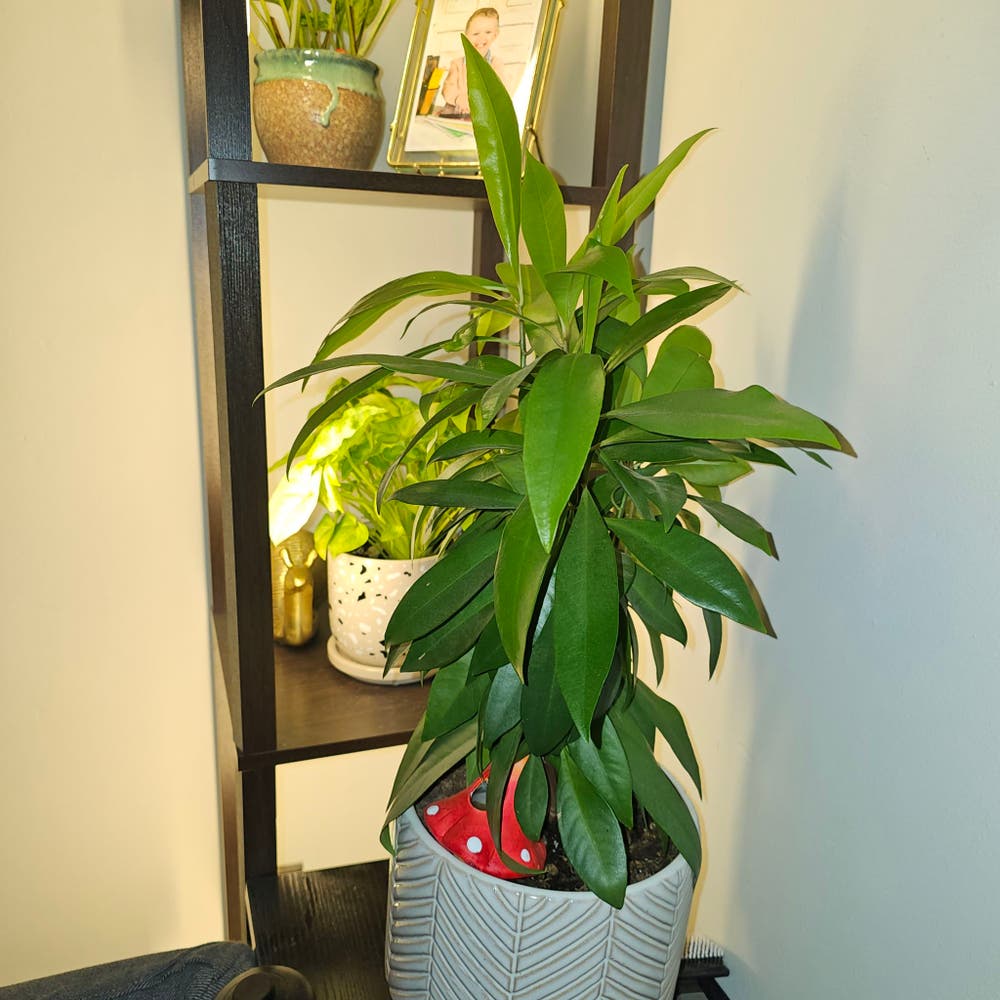
How to Fertilize Your Shoebutton Plant
Ardisia humilis
By the Greg Editorial Team
Feb 10, 2024•4 min read
This article was created with the help of AI so we can cover more plants for you. May contain errors. See one? Report it here.
- Balanced liquid fertilizers offer quick nutrition; beware of nutrient burn.
- Slow-release granulars nourish gradually, reducing over-fertilization risks.
- Fertilize in spring/summer; less in fall/winter, matching growth phases.
Choosing the Right Fertilizer for Your Shoebutton Plant
💧 Balanced Liquid Fertilizers: The Ideal Match?
Balanced liquid fertilizers are like a shot of espresso for your Shoebutton Plant—they work fast. They can be perfect for a quick nutrient boost, especially during the plant's growth spurts. However, they require a steady hand; too much, and you're in for nutrient burn.
To apply, dilute as directed and water at the plant's base. Consistency is key—irregular applications can lead to droopy leaves.
⏳ Slow-Release Granular Fertilizers: A Convenient Option?
Slow-release granular fertilizers are the crockpots of plant nutrition—set it and forget it. They gradually nourish your Shoebutton Plant, minimizing the risk of over-fertilization.
For best results, mix granules into the soil at the start of the growing season. Reapplication should align with the product's release period, often every 3-6 months.
🌱 Organic Fertilizers: Are They Worth It?
Organic fertilizers are the farm-to-table movement for plants. They feed your Shoebutton Plant and enrich the soil. Don't expect instant results; organics work slowly, but they build long-term soil health.
Apply organic options like compost or worm castings by top-dressing or mixing into the soil. Remember, organic doesn't mean weaker—overuse can still harm your plant.
Timing Is Everything: When to Fertilize Your Shoebutton Plant
🌱 Growth and Dormancy: Reading Your Plant's Cues
Understanding your Shoebutton Plant's growth phases is crucial. During the active growing season, typically spring and summer, your plant is in beast mode, using up nutrients to push out new growth. This is when your green buddy is shouting, "Feed me!" But when growth slows down, and the plant enters dormancy, it's more of a whisper for sustenance.
📅 Seasonal Fertilization Schedule
Spring and summer are the Shoebutton Plant's equivalent of a marathon; it's all about endurance and keeping up with the nutrient demands. Kick off your fertilization routine as the plant wakes up in spring and keep it steady through the balmy months. Come fall and winter, it's time to chill on the feeding frenzy. Your plant is winding down, and too much food can do more harm than good. It's like offering a full Thanksgiving dinner after a workout—just not the time.
Fertilizing Your Shoebutton Plant: A Step-by-Step Guide
💧 Preparing Your Fertilizer Mix
Mixing the right ratio of fertilizer to water is like hitting the sweet spot in a good cup of coffee—essential. For your Shoebutton Plant, lean towards a weaker solution than the label suggests. Overzealous mixing can lead to nutrient overload, and nobody wants that.
🌱 Application Methods
Soil Drenching
Soil drenching is straightforward—think of it as giving your plant a deep, satisfying drink. Water the soil first to prevent shock, then apply the diluted fertilizer directly to the moist earth, avoiding the leaves.
Foliar Feeding
Foliar feeding is like a quick spa treatment for your plant. Prepare an even weaker solution than for soil application and spritz it onto the leaves. This method is a pick-me-up, not a full meal, so use it sparingly.
💡 Dosage and Frequency
When it comes to how much and how often, less is often more. Start small—a diluted mix applied every other week during the growing season should do the trick. Observe your plant's reaction like a concerned plant parent. If it's not throwing a tantrum (i.e., showing signs of distress), you're on the right track. Adjust as needed, but remember, your Shoebutton Plant isn't running a nutrient marathon—it's in it for the steady, long-term growth.
Recognizing and Fixing Over-Fertilization
🚨 Spotting the Telltale Signs
Leaf burn is the plant's SOS; it's the most glaring red flag of over-fertilization. If your Shoebutton Plant's leaves are sporting yellow or brown edges, it's not just trying a new autumn look—it's in distress. Wilting leaves can also be deceiving; they might beg for water even when the soil feels like a damp sponge. And let's not overlook the roots—if they're looking more like a horror movie prop (think brown, blackened, or limp), it's time to take action. Flower growth that's more pitiful than plentiful? Another sign you've been heavy-handed with the nutrients.
🚑 Emergency Care for Over-Fertilized Shoebutton Plants
First things first: Stop fertilizing. It's like cutting off the all-you-can-eat buffet when you're already stuffed. Next, remove any visible fertilizer from the soil surface—think of it as decluttering your plant's immediate environment. Then, it's time for a serious flush. Water the soil thoroughly, as if you're trying to dilute a saltwater pool back to its freshwater origins. Repeat this every few days, giving your plant a chance to shake off the excess. If you're dealing with a potted Shoebutton, consider a change of scenery with fresh soil. And remember, patience is key—hold off on the next fertilizer round until your plant stops looking like it partied too hard.
⚠️ Safety First
This content is for general information and may contain errors, omissions, or outdated details. It is not medical, veterinary advice, or an endorsement of therapeutic claims.
Always consult a qualified healthcare professional before using any plant as food, medicine, or supplement.
Never eat any plant (or feed one to pets) without confirming its identity with at least two trusted sources.
If you suspect poisoning, call Poison Control (800) 222-1222, the Pet Poison Helpline (800) 213-6680, or your local emergency service immediately.
Spotted an error? Please report it here.
Ensure your Shoebutton Plant thrives with just-right fertilization 🌿 using Greg's tailored reminders to prevent over-fertilization.