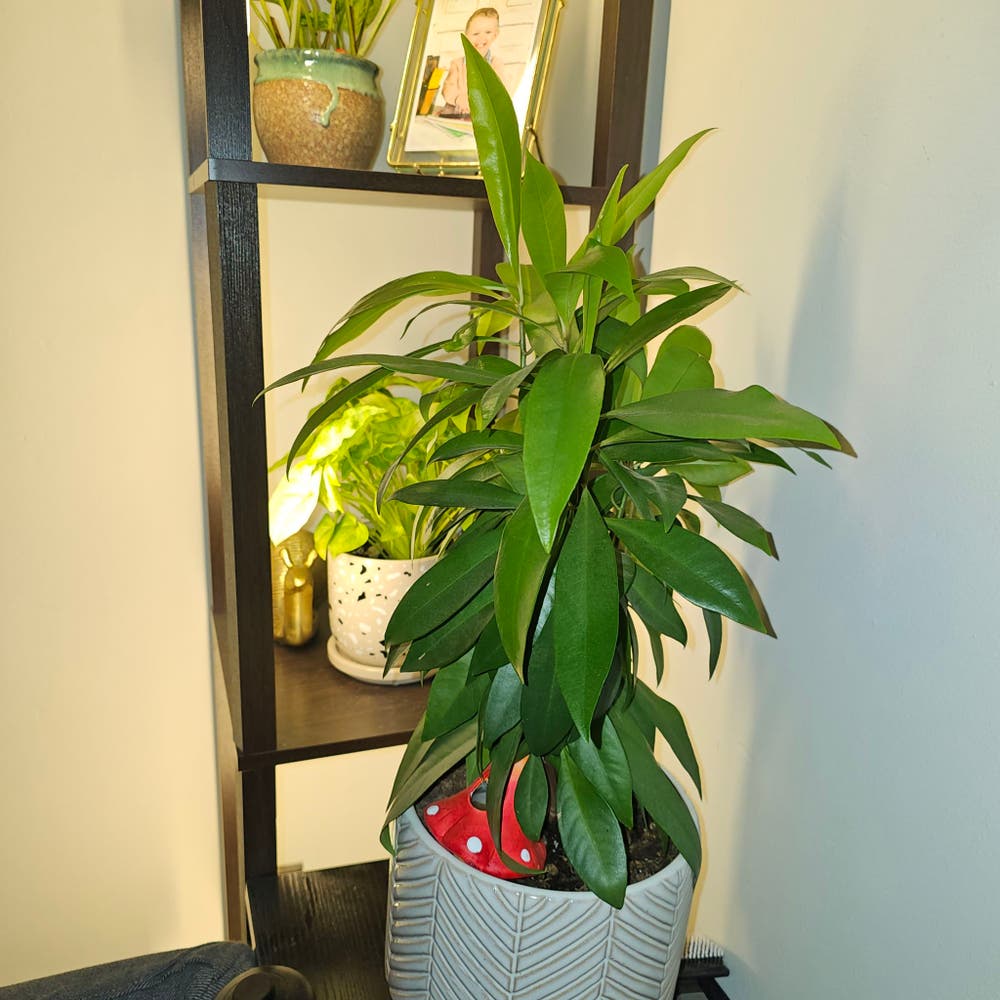
🌞 Is Direct Sunlight Good for My Shoebutton Plant?
Ardisia humilis
By the Greg Editorial Team
Feb 10, 2024•5 min read
This article was created with the help of AI so we can cover more plants for you. May contain errors. See one? Report it here.
- Bright, indirect light is best for Shoebutton Plants, mimicking their tropical origins.
- Window direction matters: North for consistent light, East for gentle mornings.
- Seasonal adjustments protect from sun stress: shade in summer, closer to light in winter.
When the Sun Shines: Shoebutton Plant's Sunlight Needs
🌞 Can Shoebutton Plants Soak Up the Sun?
Direct sunlight can be tricky for the Shoebutton Plant. While it craves light, too much direct sun can lead to a botanical meltdown. It's about striking a balance—enough rays to thrive, but not so much that the leaves throw in the towel.
🏝 Native Habitat Clues
The Shoebutton Plant hails from Tropical Asia, a land of dappled sunlight and warm embraces. This origin story suggests a preference for bright, indirect light, akin to the filtered sun of its natural habitat. Too much direct exposure, and you might find your Shoebutton waving a white flag.
Through the Window: The Direction Dilemma
🧭 North, South, East, or West?
Navigating the window compass is crucial for your Shoebutton Plant's sunbathing routine.
North-facing windows offer a consistent, muted light, making them a safe bet for your plant. They're the introverts of the window world, never too brash or overbearing.
South-facing windows are the extroverts, basking in sunlight all day, especially in the Northern Hemisphere. They're the solar powerhouses, but with great power comes the potential for a sunburn.
East-facing windows are the gentle morning light providers. Think of them as the plant's soft wake-up call, a kind nudge rather than an alarm bell.
West-facing windows can be the afternoon party animals, intense and potentially overwhelming. They're the ones that can take the sunbathing from fun to sunburn real quick.
Hemisphere Highlights
Your global location plays a pivotal role in your plant's sunlight diet.
In the Northern Hemisphere, south-facing windows are the main event, soaking in rays all day long. They're the VIP seats to the sun's daily show for your Shoebutton Plant.
Flip the script in the Southern Hemisphere, and north-facing windows are the spotlight. They're the go-to for those seeking the most light.
Remember, it's not just about picking a window; it's about understanding the sun's path and intensity. It's like being a DJ for your plant's light preferences—you control the volume.
Protecting Your Green Buddy
🛡️ Shielding from Too Much Sun
In the quest to safeguard your Shoebutton Plant from the sun's relentless rays, strategic placement is your first line of defense. A spot a few feet from a sunny window, or the diffused light behind a sheer curtain, can be the perfect compromise. It's about giving your plant the equivalent of a sun hat without actually dressing it up.
DIY Sun Barriers
Get creative with homemade solutions. A piece of white cardboard angled to reflect light away, or a stick-on window film, can cut down on UV rays without plunging your plant into darkness. It's about being resourceful—think MacGyver for plants.
Advanced Glass Options
If you're willing to invest, UV-filtering glass is like VIP treatment for your Shoebutton Plant. It blocks the harmful rays while letting the good light shine through, ensuring your plant gets the star treatment it deserves.
Signs of Sun Stress
When your Shoebutton Plant's leaves start sporting brown spots or crispy edges, it's not trying out a new look—it's showing signs of sunburn. These are distress signals, a plant's version of waving a white flag.
Leaf Changes
Keep an eye out for leaves that drop or buds that fall off more than usual. If your plant's leaves are elongating or lightening in color, it might be stretching away from too much direct sun. It's like your plant is trying to scoot its chair back from a too-close campfire.
Environmental Adjustments
Remember, your Shoebutton Plant isn't just being dramatic; it's communicating. Adjust its position to receive gentler, morning sunlight or dappled shade, especially during peak summer months. It's about reading the room—or in this case, the light—and acting accordingly.
Seasonal Sun Shifts
🌞 Adapting to the Seasons
As the Earth's tilt brings about seasonal changes, Shoebutton Plant caregivers must pivot their strategies to match. The sun's intensity isn't static, and neither should be your plant care routine.
❄️ Winter Sun Care
During winter, the sun plays hide and seek with shorter days and a softer touch. Your Shoebutton Plant might need to cozy up closer to the window to make the most of the limited light. But don't be fooled by the chill; rays coming through glass can still be strong enough to cause harm if the exposure is too direct.
☀️ Summer Strategies
Come summer, the sun's on full blast, and it's time to play defense. Shade is your plant's best friend during peak hours. Think of it as putting on sunglasses; you're not avoiding the sun, just softening its impact. Rotate your plant regularly to ensure even growth and prevent one side from getting sunburned.
🍂 Spring and Fall Adjustments
Spring and fall are transitional periods where vigilance is key. Keep an eye on the light quality and adjust your plant's position gradually. A sudden move from a cozy winter spot to a bright spring location can stress your green buddy.
Light's Role in Plant Health
Remember, light affects more than just growth; it influences watering needs and overall plant health. Less light in winter may mean less frequent watering, while the summer sun can ramp up thirst levels.
Tools of the Trade
Consider using timers or grow lights to supplement natural light, especially in the darker months. This helps maintain a consistent light diet for your Shoebutton Plant, ensuring it gets just the right amount of sun, no matter the season.
The Plant's Perspective
Always observe your plant's response to these seasonal light shifts. Droopy leaves or faded colors are cries for help. Adjust your care routine accordingly, and your Shoebutton Plant will thrive through the seasons.
⚠️ Safety First
This content is for general information and may contain errors, omissions, or outdated details. It is not medical, veterinary advice, or an endorsement of therapeutic claims.
Always consult a qualified healthcare professional before using any plant as food, medicine, or supplement.
Never eat any plant (or feed one to pets) without confirming its identity with at least two trusted sources.
If you suspect poisoning, call Poison Control (800) 222-1222, the Pet Poison Helpline (800) 213-6680, or your local emergency service immediately.
Spotted an error? Please report it here.
Let Greg guide you to the ideal light 🌄 for your Shoebutton Plant, ensuring it thrives without the stress of direct sunlight, just like in its native Tropical Asia.