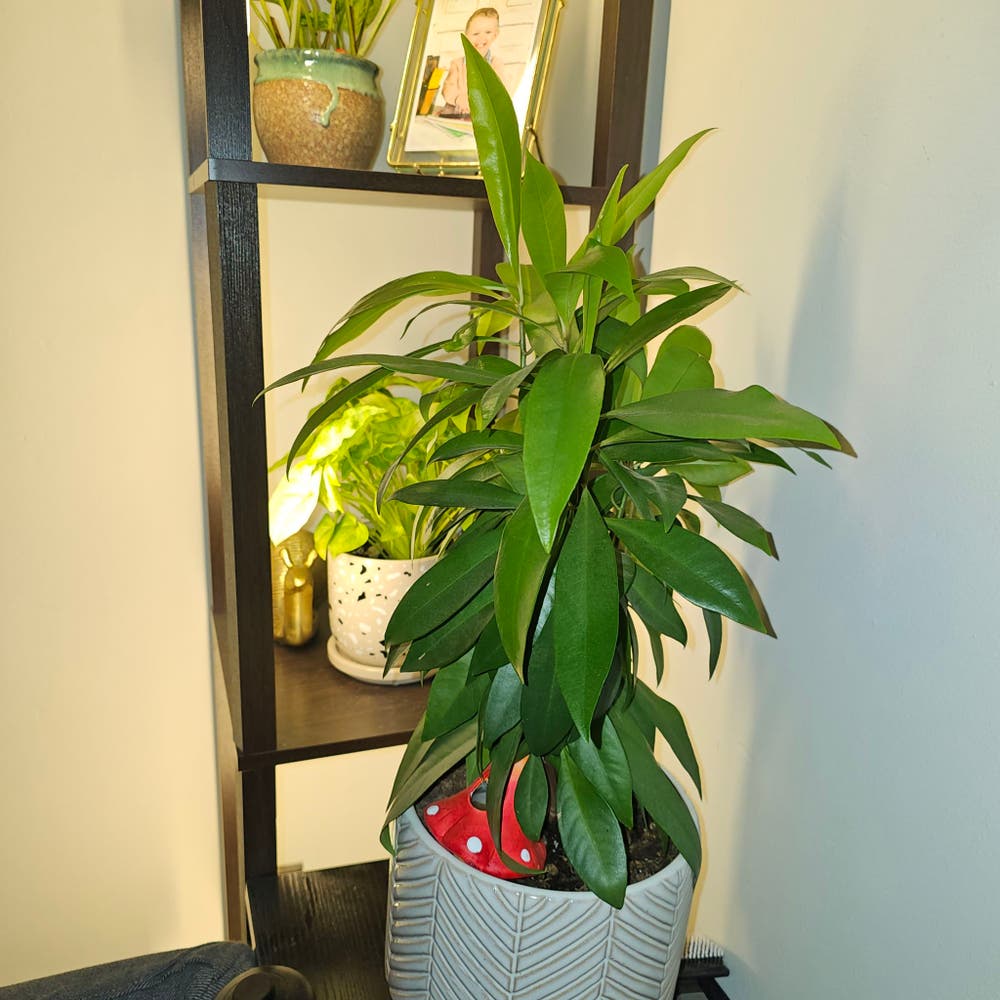
How to Prune Shoebutton Plant
Ardisia humilis
By the Greg Editorial Team
Feb 10, 2024•4 min read
This article was created with the help of AI so we can cover more plants for you. May contain errors. See one? Report it here.
- Prune post-flowering or early spring for plant rejuvenation.
- 🌿 Use clean, sharp tools to prevent disease and encourage growth.
- Adapt technique for cultivar needs; monitor health post-pruning.
Best Times to Get Snipping
📅 Seasonal Pruning Calendar
Pruning your Shoebutton Plant isn't just about snipping at will; timing is everything. Schedule your pruning sessions after the flowering season ends, when the plant is in a state of rest and ready to rejuvenate. Early spring is another prime time, as the plant's energy is surging and it's primed for growth.
Growth and Flowering Cues
Brown spots on leaves are distress signals, a clear sign that it's time to intervene with your shears. Deadheading, or removing spent flowers, should be done carefully, right above the new buds to encourage more blooms. This redirects the plant's energy effectively, fostering a healthier and more aesthetically pleasing Shoebutton.
Tools of the Trade
🌿 Selecting Your Pruning Gear
Pruning your Shoebutton Plant isn't a hack job; it's an art form that requires precision. To make the Mona Lisa of cuts, you'll need sharp pruning shears or scissors. These aren't just any old cutting tools; think of them as the surgeon's scalpel for your green patient.
For those thicker, more stubborn branches, a pruning saw might be your muscle. Brands like Corona and Fiskars offer saws that can handle the tougher jobs. And let's not forget the utility knife for those intricate snips.
🧼 Keeping It Clean and Safe
Before you play Edward Scissorhands with your plant, remember: cleanliness is next to godliness. Dunk your tools in isopropyl alcohol or a bleach solution before you start. This isn't just a suggestion; it's the golden rule to prevent your plant from catching the flu.
After each cut, give your tools another quick dip. It's like a reset button for hygiene. And when you're done, clean them again. It's the equivalent of brushing your teeth after a meal; it keeps things minty fresh for next time.
Safety isn't just a buzzword; it's a necessity. Gear up with gloves and safety glasses because, let's face it, you're not a superhero. And if you're thinking of going up against utility lines or scaling ladders, call in the pros. This isn't a DIY YouTube moment.
Remember, the right tools and a clean, safe approach will keep your Shoebutton Plant looking sharp—literally.
Pruning Techniques Unveiled
🌱 The Basics of Making the Cut
Pruning your Shoebutton Plant isn't just about snipping willy-nilly. Location matters. Always cut just above a leaf node or bud, angling the cut away from the center of the plant to encourage outward growth. This method prevents water accumulation and minimizes disease risk.
🌿 Shaping and Controlling Size
To keep your Shoebutton in check, think of pruning as a strategic game of chess. Each move should be deliberate. Aim to create a balanced shape by pruning longer branches back to a side shoot or bud. This not only controls size but also stimulates new growth where you want it.
🍂 Dealing with the Dead and Diseased
Spot a sickly branch? It's got to go. Use clean, sharp tools to remove any dead or diseased growth, cutting well into the healthy tissue to halt the spread of decay. Remember, less is more—over-pruning can stress your plant as much as neglect.
Special Considerations for Different Varieties
🌱 Adapting Your Approach
Pruning your Shoebutton Plant isn't a one-size-fits-all affair. Different cultivars may require slight tweaks in your approach to ensure they flourish.
🌿 Understanding Cultivar Characteristics
Each variety of Shoebutton Plant has its own growth patterns and pruning needs. Some might be more bushy, others more upright. Recognize these traits to tailor your pruning strategy effectively.
✂️ Cultivar-Specific Pruning
For bushier types, thinning might be your go-to move, promoting airflow and reducing the risk of disease. Upright varieties, on the other hand, may need selective topping to encourage lateral growth.
🕰️ Timing is Everything
While general pruning guidelines apply, the optimal time to prune can vary between cultivars. Some might flower at different times, so adjust your schedule to just after their blooms fade.
👀 Watch for Pests
Different Shoebutton Plants might attract specific pests. Keep a vigilant eye post-pruning, as fresh cuts can be an open invitation for these unwanted guests.
🌿 Fertilizing Post-Prune
After pruning, a light feed can encourage recovery. However, the amount and type of fertilizer can depend on the cultivar's characteristics and needs.
🌱 Regular Monitoring
Post-pruning, keep an eye on new growth. It's your plant's way of saying thanks. Spot any distress early, and you'll be ahead of the game in maintaining plant health.
⚠️ Safety First
This content is for general information and may contain errors, omissions, or outdated details. It is not medical, veterinary advice, or an endorsement of therapeutic claims.
Always consult a qualified healthcare professional before using any plant as food, medicine, or supplement.
Never eat any plant (or feed one to pets) without confirming its identity with at least two trusted sources.
If you suspect poisoning, call Poison Control (800) 222-1222, the Pet Poison Helpline (800) 213-6680, or your local emergency service immediately.
Spotted an error? Please report it here.
Trim your Shoebutton Plant into blooming brilliance ✂️ with Greg's tailored reminders and care tips, ensuring a healthy and vibrant growth season after season.