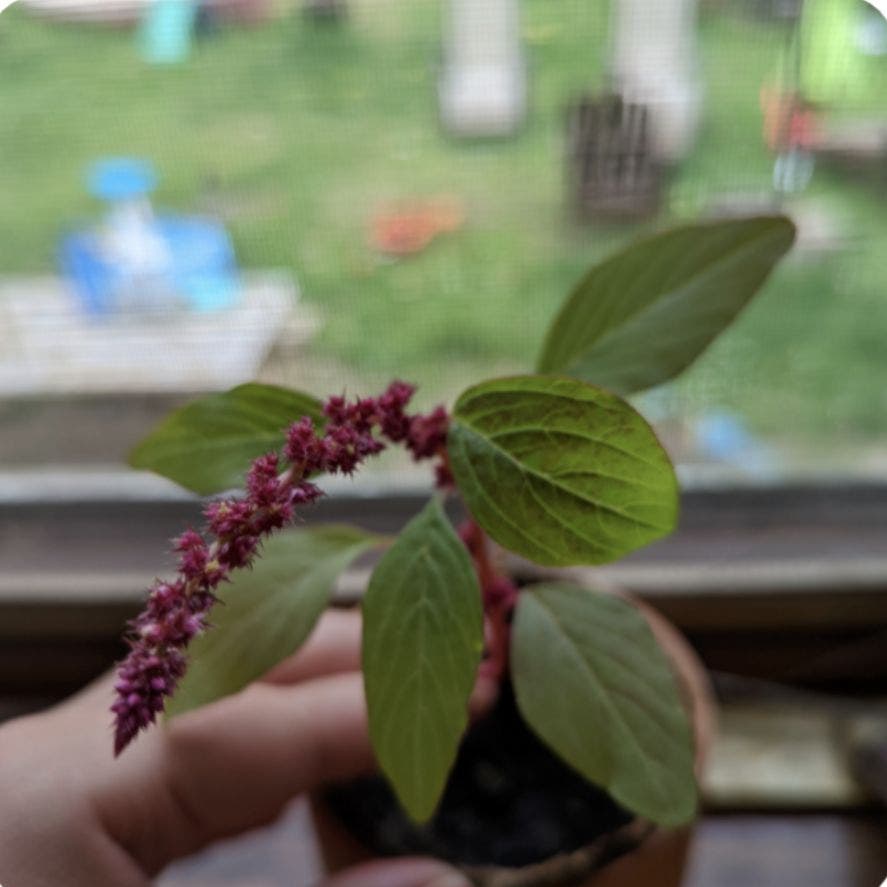
🍂 Why Are My Redroot Pigweed Leaves Turning Yellow?
Amaranthus retroflexus
By the Greg Editorial Team
Jun 18, 2024•4 min read
This article was created with the help of AI so we can cover more plants for you. May contain errors. See one? Report it here.
- 🍂 Yellow leaves signal distress, often from nutrient deficiencies or environmental stress.
- 💦 Balance watering; moist, not waterlogged soil is key.
- 🐞 Inspect for pests like aphids, treat with insecticidal soap or neem oil.
Spotting the Yellow Flags
🚩 Visual Symptoms
Yellowing leaves on Redroot Pigweed are a distress signal, not a fashion statement. Uniform yellowing often points to a nutrient tantrum, while a patterned yellow, such as along the veins or leaf margins, screams environmental stress.
🚨 Accompanying Signs
But yellow isn't the only color of concern. Wilting or browning are the plant's backup dancers, emphasizing the urgency of the situation. Spots or streaks? Think of them as the graffiti of the plant world, marking territory where pests or diseases have settled in. Keep an eye out for stunted growth too—it's the silent alarm of plant distress.

The Usual Suspects: Common Causes of Yellowing
💡 Nutrient Deficiencies
Yellowing leaves on your Redroot Pigweed? Nutrient deficiencies might be the culprits. A lack of nitrogen often targets the older leaves, turning them a sickly yellow, while an iron shortage will have your new growth looking pale and unwell. The fix? A balanced fertilizer. But remember, it's a fine line between nourishing and over-nourishing; stick to the recommended dosage to avoid nutrient burn.
🚰 Water Woes
Watering is a balancing act. Too little, and your plant's leaves become as crispy as fall foliage; too much, and you're drowning the roots, suffocating them in their own home. The soil should feel like a wrung-out sponge—an inch down, it should be moist, not a mini desert or a swamp. If you're second-guessing your watering skills, a finger test will tell you more than a crystal ball ever could.
🐜 Uninvited Guests
Lastly, let's talk about those uninvited guests—aphids and spider mites. These pests are like the freeloaders who eat all your snacks and leave a mess. They'll turn your Pigweed's leaves yellow faster than you can say "bug off." To send these pests packing, introduce them to insecticidal soap or neem oil. And remember, regular leaf inspections are your best defense. Flip those leaves over; if you spot bugs or eggs, it's time to bring out the big guns.

Turning Over a New Leaf: Treatment and Correction
💪 Nutrient Boost
Redroot Pigweed thrives when nutrients are on point. If yellow leaves have you worried, it's time for a dietary intervention. Nitrogen is a key player in leafy growth, so a lack of it often results in yellowing. Iron is another common deficiency to watch out for. To correct this, consider a balanced fertilizer, one that doesn't go overboard on any particular nutrient. Slow-release options can be particularly effective, providing a steady nutrient supply without the risk of burn.
💧 Watering Wisdom
Watering is less art, more science. Your Pigweed doesn't need a flood; it craves consistency. The goal is moist, not soggy soil. If you've been heavy-handed with the watering can, it might be time to ease up. Conversely, if you've been neglecting your watering duties, it's time to step up. Remember, a good drainage system is non-negotiable to prevent waterlogged roots.
🐜 Pest Patrol
Pests are like uninvited guests who never know when to leave. If aphids or spider mites are throwing a party on your Pigweed, show them the door with a gentle shower. For stubborn squatters, neem oil or insecticidal soap can be your eco-friendly bouncers. Apply with conviction, but don't drown your plant in the process. Regular treatments trump a one-off chemical warfare. Stay vigilant; pests are known for their encore performances.

Keeping the Green: Prevention and Vigilance
🌱 Proactive Plant Parenting
Regular check-ups are the cornerstone of plant health. Like a hawk, keep an eye on your Redroot Pigweed, and swoop in with early interventions at the first sign of yellowing.
Pruning is not just about aesthetics; it's a strategic move. Remove yellow, damaged, or dead leaves to keep your plant in fighting shape. And yes, always clean those shears afterwards—think surgery, not crafting.
🌿 Environmental Harmony
Creating the right environment is like setting up a backstage for your plant's solo performance. Balance is key: not too much water, just enough light, and a watchful eye on pests.
Airflow is your plant's invisible ally, keeping the atmosphere fresh and deterring those pesky bugs. Consider it the unsung hero in your anti-yellowing toolkit.
Consistency in care is your plant's lifeline. Watering, lighting, and feeding—get these right, and you're golden. Or rather, your Pigweed stays green.
Regular pest patrols are your defense strategy. Spot an aphid? Show it the door with a spritz of neem oil or insecticidal soap. It's like being the bouncer at your plant's exclusive party.
Remember, the best offense is a good defense. Stay vigilant, and your Redroot Pigweed will thank you with vibrant, green leaves.
⚠️ Safety First
This content is for general information and may contain errors, omissions, or outdated details. It is not medical, veterinary advice, or an endorsement of therapeutic claims.
Always consult a qualified healthcare professional before using any plant as food, medicine, or supplement.
Never eat any plant (or feed one to pets) without confirming its identity with at least two trusted sources.
If you suspect poisoning, call Poison Control (800) 222-1222, the Pet Poison Helpline (800) 213-6680, or your local emergency service immediately.
Spotted an error? Please report it here.
Keep your Redroot Pigweed's leaves from turning yellow by using Greg to monitor 🌱 and adjust your plant's care routine with the help of our plant-loving community.