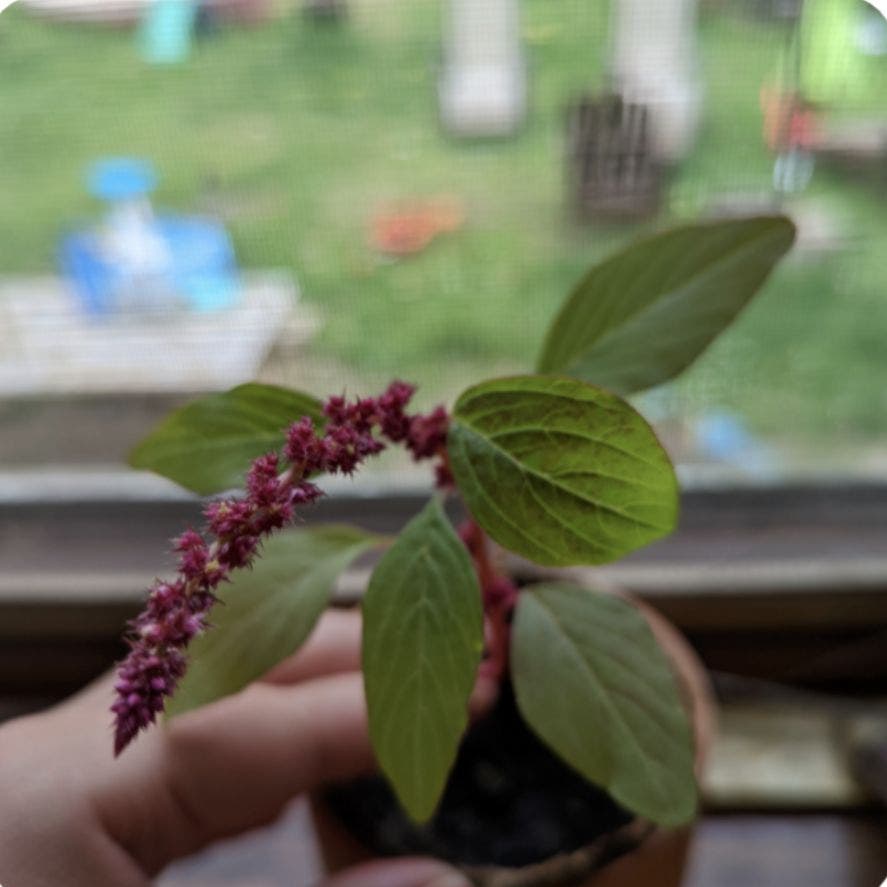
Common Redroot Pigweed Problems
Amaranthus retroflexus
By the Greg Editorial Team
Jun 18, 2024•4 min read
This article was created with the help of AI so we can cover more plants for you. May contain errors. See one? Report it here.
- 🌱 Yellow leaves and mushy stem? Overwatering. Crumpled leaves? Underwatering.
- ☀️🌡️ Bright light, stable temperature: Rotate plant, avoid drafts and direct heat.
- 🐜 Pests and mold? Use insecticidal soaps, neem oil, and increase airflow.
Water Woes: Too Much or Too Little
🚱 Spotting the Symptoms
Yellowing leaves and a mushy stem are the telltale signs of a Redroot Pigweed drowning in kindness. Conversely, if your plant's leaves resemble a crumpled paper bag, it's a clear SOS for water.
🌊 Root of the Issue
Soil moisture balance is key. Your Redroot Pigweed craves a habitat that's neither a swamp nor a desert. Aim for soil that's moist but not soggy, like a well-wrung sponge.
💧 Thirsty Plant, Happy Plant
- Check the soil: Before you water, poke around. If the top inch feels like a dry summer day, it's time to water.
- Water slowly: Let your plant sip, not gulp. Imagine giving it a relaxing spa treatment, not a firehose blast.
- Consistency: Establish a watering routine that's as reliable as your morning alarm.
- Observe and adapt: No two plants are the same. Watch your Pigweed's response and tweak your watering habits to match its unique thirst.
Light and Temperature: Finding the Sweet Spot
🌞 Light Levels: Too Harsh or Too Dim
Redroot Pigweed thrives in bright, indirect light. Direct sunlight can scorch its leaves, leaving them crispy and discolored. Conversely, too little light can stunt growth, resulting in a leggy and weak plant.
Rotate your plant regularly to ensure even exposure and prevent it from stretching towards the light source. If natural light is inconsistent, consider supplementing with grow lights.
🌡️ Temperature Tantrums
Redroot Pigweed dislikes dramatic temperature changes. Wilting or leaf drop suggests it's too hot, while brown leaf tips might indicate it's too cold.
To maintain a stable environment, keep your plant away from drafty windows and direct heat sources. If your home's temperature fluctuates, grouping plants together can help stabilize the microclimate around them.
Pests and Pathogens: Uninvited Guests
🐛 Common Culprits
Aphids and spider mites are like party crashers for your Redroot Pigweed. Aphids are tiny, sap-sucking insects that can be green, black, yellow, or pink. They cluster on the undersides of leaves and tender shoots, leaving behind a sticky residue called honeydew, which can lead to sooty mold. Spider mites, on the other hand, spin fine webs and are a telltale sign when you spot them on the undersides of leaves or between stems.
🍄 Fungal Foes
Mold and fungus turn your plant into a horror show, with white or black spots signaling a fungal free-for-all. Increased airflow and a good fungicide can be the end of the rave for these uninvited guests. Don't let them get comfy; mold and fungus are the overstayers you didn't invite.
⚔️ Battle Tactics
When it comes to evicting these freeloaders, think of insecticidal soaps and neem oil as your bouncers. For a green approach, introduce beneficial bugs like lady beetles—they're nature's hitmen. If chemicals don't make you squeamish, products like SB Plant Invigorator or Ecofective Bug & Mildew Control can be your mercenaries. Remember, always read the label—these aren't your average juice boxes.
Root Rot: A Silent Killer
🚨 Early Warning Signs
Detecting root rot early can mean the difference between life and death for your Redroot Pigweed. Look for stunted growth, leaves that are less perky than a morning coffee, and roots that have the appearance and texture of a bad horror movie prop—dark and slimy. A healthy root should look like it's on a health kick—firm and white. If your plant's roots are more reminiscent of a zombie apocalypse than a fresh salad, it's time to act.
💉 Salvage and Save
When root rot invades, think of yourself as a plant ER doctor—it's time for immediate intervention. Gently remove your plant from its pot, as if defusing a bomb. Shake off the excess soil and give the roots a thorough inspection. Prune the rotten roots with the precision of a sushi chef; they should come off like bad habits. After the amputation, repot your plant in fresh, well-draining soil that's as inviting as a newly made bed. Adjust your watering habits—your plant craves hydration, not a flood. Remember, overwatering is like an overbearing friend; sometimes, plants need space to breathe.
⚠️ Safety First
This content is for general information and may contain errors, omissions, or outdated details. It is not medical, veterinary advice, or an endorsement of therapeutic claims.
Always consult a qualified healthcare professional before using any plant as food, medicine, or supplement.
Never eat any plant (or feed one to pets) without confirming its identity with at least two trusted sources.
If you suspect poisoning, call Poison Control (800) 222-1222, the Pet Poison Helpline (800) 213-6680, or your local emergency service immediately.
Spotted an error? Please report it here.
Ensure your Redroot Pigweed thrives 🌱 with Greg's custom watering plans and community-powered pest troubleshooting, keeping your greens in prime health.