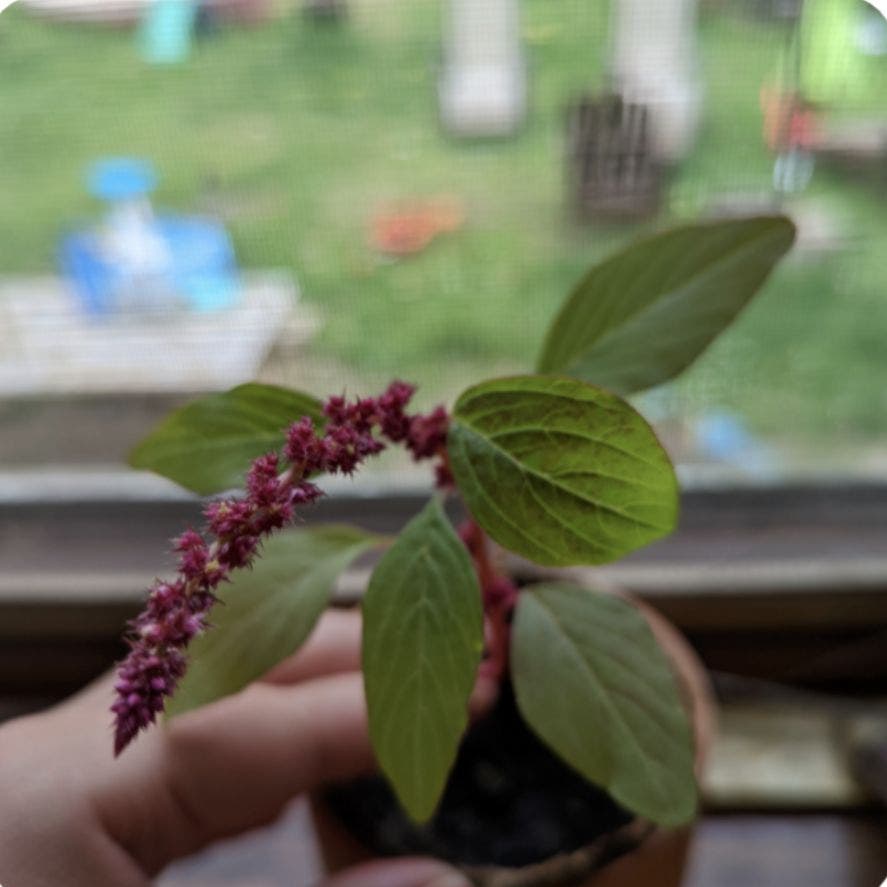
Propagating My Redroot Pigweed: Step-by-Step Guide
Amaranthus retroflexus
By the Greg Editorial Team
Jun 18, 2024•4 min read
This article was created with the help of AI so we can cover more plants for you. May contain errors. See one? Report it here.
- Choose healthy plants for seed collection and store seeds in a cool, dry place.
- Soil mix matters: Use potting soil, coarse sand, and perlite for drainage.
- Monitor root growth in translucent containers for stem cuttings without disturbance.
Seed Propagation: Let's Get Planting!
🌱 Collecting Your Champions
Harvesting seeds from your Redroot Pigweed should be like a treasure hunt—look for the healthiest plants as your seed source. Once the flowers have faded, collect the seeds with care, ensuring they're dry and free from any plant debris.
Store seeds in a cool, dry place, preferably in a paper envelope or cloth bag to allow them to breathe. This will maintain their viability until you're ready to sow.
🌱 Sowing the Seeds of Success
Prepare your soil mix with a balanced blend of potting soil, coarse sand, and perlite for excellent drainage. Sow seeds on the surface and lightly cover with soil—think of it as tucking them in for a good night's sleep.
Water gently to moisten the soil without causing a flood. Consistent moisture is key, but avoid waterlogging your future pigweed prodigies.
🌱 Germination Game Plan
Create a cozy germination environment with warmth and steady moisture. A plastic cover can help retain humidity, but remember to lift it occasionally to prevent mold.
Expect sprouts in 7-14 days, but patience is a virtue—nature can't be rushed. Keep an eye out for the first signs of life and get ready to celebrate the tiny victories.

Stem Cutting Propagation: A Cut Above
🌱 Choosing and Prepping Your Cuttings
Identifying healthy stems is your first step. Look for stems that are robust and green, showing no signs of weakness or disease. With disinfected shears, make a clean cut below a leaf node. Strip the lower leaves to prevent rot and leave only a few at the top to continue photosynthesis.
💧 Rooting Your Future Plants
When it comes to rooting, you've got options: water or soil. Water rooting offers a clear view of progress but risks weaker root structures. Soil rooting provides a more natural environment, promoting stronger roots. Keep the medium moist, not soggy, to encourage growth without drowning your hopefuls.
🛠 Troubleshooting Stem Cuttings
Common pitfalls include root rot and dehydration. If your cuttings are turning into mush, you're overwatering. Conversely, shriveled stems need more hydration. Patience is key; roots take time to develop. If you're not seeing progress, reassess your moisture levels and ensure you're using a well-draining soil mix.

Division Propagation: Multiply and Conquer
🌱 The Art of Division
Timing is everything when dividing Redroot Pigweed. Early spring or fall, when the plant is not in full bloom, is ideal. Gently tease apart the plant, ensuring each section has a portion of the root system. Handle roots with care to avoid damage.
🏺 Potting and Aftercare
Choose a pot that allows room for growth and a soil mix that promotes drainage. Replant divisions at the same depth they were growing previously. Water sparingly initially to encourage roots to seek moisture and establish themselves.
🛠 Troubleshooting Division Propagation
Root rot can occur if divisions are overwatered. Yellowing leaves or a soft base are warning signs. Adjust watering and ensure good drainage to combat this. If growth is sluggish, consider whether the light conditions are adequate and adjust as needed.

Growth Expectations: From Propagation to Maturity
🌱 Seedling to Sapling
After germination, Redroot Pigweed seedlings will show their true grit. Cotyledons give way to true leaves, a surefire sign your seedlings are on the right track. Expect this leafy transition within weeks, but don't rush nature—she's got her own schedule.
✂️ Stem Cuttings Take Root
When your stem cuttings start flaunting white roots, it's like a silent high-five. Translucent containers are great for spying on this root rave without disturbing the party. Once roots are established, shoots will follow, signaling your cuttings are ready to graduate to their own pots.
🌿 Divided Plants Thrive
Divided Redroot Pigweed should bounce back with vigorous growth, provided you've treated their roots with TLC. New shoots are your green light that the division was a success. Keep an eye out for robust foliage—it's the plant's way of saying, "Thanks for the space!"
⚠️ Safety First
This content is for general information and may contain errors, omissions, or outdated details. It is not medical, veterinary advice, or an endorsement of therapeutic claims.
Always consult a qualified healthcare professional before using any plant as food, medicine, or supplement.
Never eat any plant (or feed one to pets) without confirming its identity with at least two trusted sources.
If you suspect poisoning, call Poison Control (800) 222-1222, the Pet Poison Helpline (800) 213-6680, or your local emergency service immediately.
Spotted an error? Please report it here.
Turn your Redroot Pigweed propagation into a success story 🌟 with Greg's personalized care reminders and growth tracking for each step from seed to sprout.