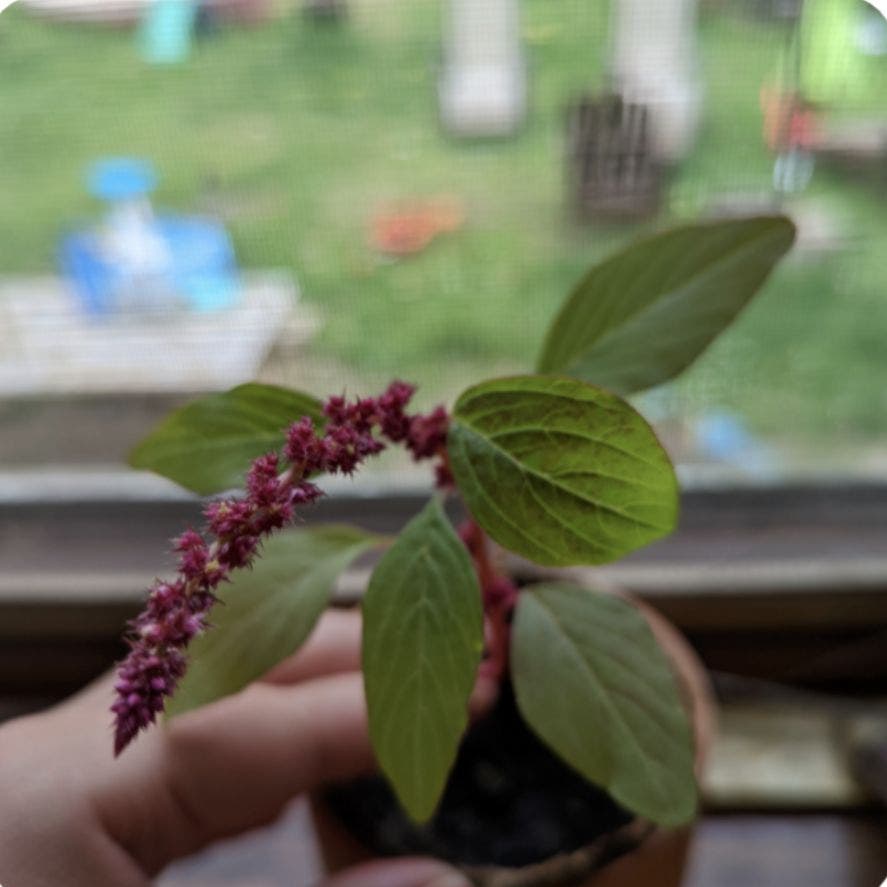
Am I Starving My Redroot Pigweed? Fertilizing 101
Amaranthus retroflexus
By the Greg Editorial Team
Jun 18, 2024•4 min read
This article was created with the help of AI so we can cover more plants for you. May contain errors. See one? Report it here.
- Sync fertilizing with growth: Spring and summer are key for Redroot Pigweed.
- Choose fertilizer wisely: Organic for soil health, synthetic for quick feeding.
- Prevent over-fertilization: Watch for yellow leaves with dark-green veins.
Timing is Everything: When to Fertilize
⏰ Syncing with Growth Cycles
Understanding growth stages is crucial for fertilizing Redroot Pigweed. This opportunistic plant has a rapid growth cycle, thriving in warm seasons. Fertilize in spring and summer, when the plant is actively growing, to support its development.
🚦 Reading the Signs
Plants talk, if you know how to listen. Yellowing leaves or stunted growth in your Redroot Pigweed? It's probably screaming for nutrients. Respond to these cues with a well-timed nutrient boost, ensuring you don't miss the window for optimal growth.

Choosing Your Weapon: Types of Fertilizers
🌱 Organic vs. Synthetic Showdown
Organic fertilizers are the tortoises of the plant nutrition world: slow but steady. They release nutrients at a leisurely pace, which can be ideal for Redroot Pigweed's long-term health and soil quality. The pros? They improve soil structure and increase microbial activity. The cons? They're slower to correct deficiencies and can be costlier.
Synthetic fertilizers are the hares: quick and efficient. They offer a rapid nutrient boost that's precise, which can be great for a quick green-up. However, they don't do much for soil health and can lead to nutrient runoff. Plus, overuse can cause salt buildup and harm your plant.
🐢 Slow and Steady Wins the Race
Slow-release fertilizers are a godsend for the laid-back gardener. They dole out nutrients over time, reducing the risk of over-fertilization and burn. It's a set-it-and-forget-it approach that keeps Redroot Pigweed fed without constant vigilance. They're especially good for this plant, which thrives with a consistent nutrient supply rather than feast-or-famine cycles.

Feeding Without Burning: Fertilizing Techniques
💧 Dosage and Distribution
How much fertilizer does your Redroot Pigweed need? It's like finding the sweet spot in a comfy chair—not too much, not too little. Start with a half-strength balanced liquid fertilizer and consider a monthly schedule. Use a spreader for granular types to avoid creating nutrient hotspots that could harm your plant. Always water thoroughly post-application to help the nutrients spread out.
🌱 The Method Matters
Top-dressing
Top-dressing is like updating your plant's wardrobe: it's all about adding a fresh layer of nutrients to the soil surface. Granular fertilizers are your go-to here. Sprinkle them evenly around the plant's base, but keep them away from the stems to prevent damage.
💦 Liquid Fertilizers
Liquid fertilizers, on the other hand, are more like a quick spa treatment for your plant. Mix them with water as directed and apply to the soil, not the leaves—unless you're using a foliar spray. This method ensures the roots get a direct hit of nutrition without the risk of leaf burn. Remember, even distribution is key, so pour carefully and avoid splashing.

Oops, Too Much!: Signs of Over-Fertilization and Fixes
🚨 Spotting Trouble
Over-fertilization can turn your Redroot Pigweed's buffet into a food coma. Yellowing leaves with dark-green veins scream nutrient imbalance. If you spot a crusty fertilizer layer on the soil, your plant's had more than its fill. Stunted growth or absent blossoms amidst good care often point to a nutrient party that's gone wild. And don't be fooled by wilting leaves; they might beg for water when the soil is actually soaked, a classic case of too much fertilizer love.
🛠️ Damage Control
When you've crossed the line from feeding to force-feeding, stop all fertilization immediately. Remove any visible fertilizer. Begin the rescue with a thorough soil flush to wash away excess nutrients—think of it as a plant detox. Repeat every few days, watching for signs of recovery. Remember, these symptoms can be drama queens, mimicking other issues, so diagnose carefully. If you've gone overboard, it's not the end of your plant's world—just a hiccup in your green thumb journey.
⚠️ Safety First
This content is for general information and may contain errors, omissions, or outdated details. It is not medical, veterinary advice, or an endorsement of therapeutic claims.
Always consult a qualified healthcare professional before using any plant as food, medicine, or supplement.
Never eat any plant (or feed one to pets) without confirming its identity with at least two trusted sources.
If you suspect poisoning, call Poison Control (800) 222-1222, the Pet Poison Helpline (800) 213-6680, or your local emergency service immediately.
Spotted an error? Please report it here.
Avoid the guesswork in fertilizing your Redroot Pigweed and ensure it's perfectly fed 🍽️ with Greg's tailored reminders for a thriving plant.