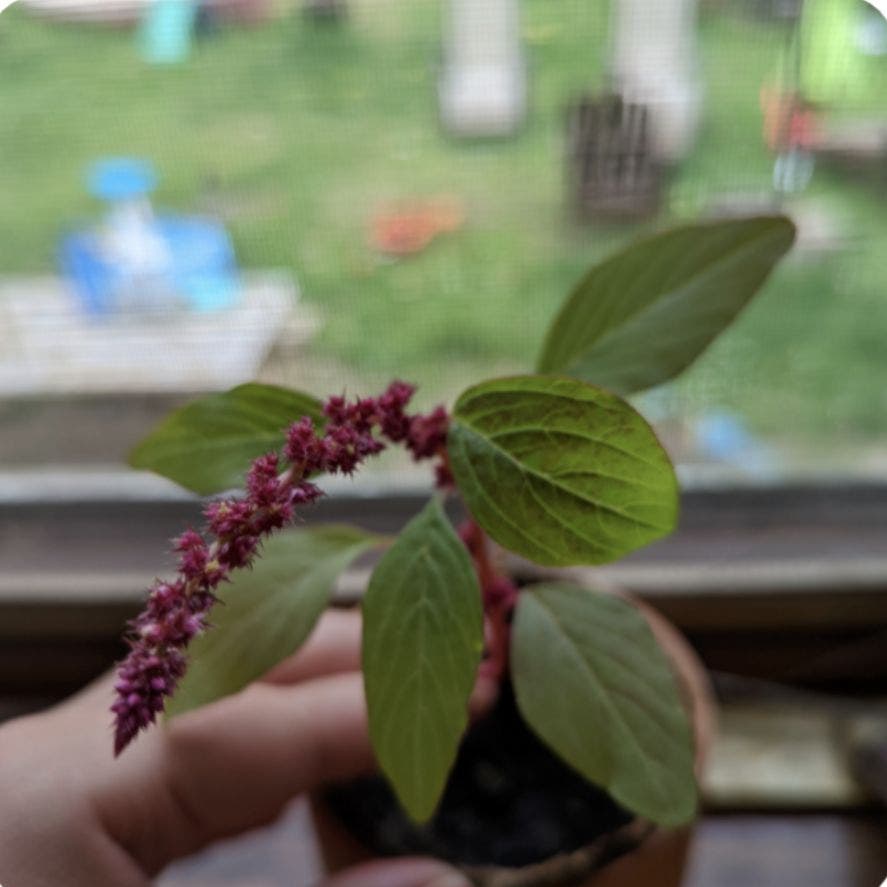
How Should Redroot Pigweed Be Cut Back?
Amaranthus retroflexus
By the Greg Editorial Team
Jun 18, 2024•4 min read
This article was created with the help of AI so we can cover more plants for you. May contain errors. See one? Report it here.
- Spring pruning boosts growth; fall prepares for dormancy.
- Use clean, sharp bypass pruners for precise, angled cuts.
- Compost healthy clippings, dispose of diseased ones safely.
Timing is Everything: When to Prune Redroot Pigweed
🌱 Seasonal Pruning: Spring or Fall?
Pruning Redroot Pigweed aligns with two key seasons: spring or fall. Spring is ideal, just as the plant shakes off winter's chill. This timing leverages the plant's natural growth spurt, setting the stage for robust development. Conversely, fall pruning prepares the plant for dormancy, but beware of cutting too late and triggering stress before the frost.
🌿 Growth Stage Considerations: Young vs. Mature Plants
For young plants, early intervention is crucial. Prune them when they're small to prevent them from becoming invasive. With mature plants, it's a delicate dance of timing. Prune before they reach the flowering stage to avoid seed spread, typically from mid-summer to the first frost.
🌦️ Weather Watch: Pruning Around the Elements
Keep an eye on the weather. Extreme heat or cold can stress the plant, making it a no-go for pruning. Aim for mild, dry days to make your cuts. This reduces stress on the plant and the risk of disease. Remember, Redroot Pigweed thrives in high temperatures, so beat the heat and prune before summer's peak.

The Right Cut: How to Prune Redroot Pigweed
🛠️ Choosing Your Tools: Clean and Sharp
Sharpness is non-negotiable. Grab a pair of bypass pruners for precision cuts on your Redroot Pigweed. Before you start, give those blades a swipe with isopropyl alcohol. It's like a pre-surgery scrub—keeps the nasties at bay.
✂️ Pruning Techniques: Snip and Shape
When it comes to snipping, think of it as a haircut for your plant. Angle your cuts at 45 degrees to avoid water lodging and potential rot. For mature plants, target the cuts just above leaf nodes to encourage bushier growth. No tearing, please—clean cuts only.
🛡️ Safety First: Protecting Yourself and the Plant
Don't forget the gloves. They're like armor against the plant's rough edges. And while you're at it, remember that Redroot Pigweed can be a bit of a beast with its invasive tendencies. Keep an eye out for any rogue seedlings trying to make a break for it post-pruning.

Pruning with Purpose: Health and Aesthetics Combined
Pruning Redroot Pigweed isn't just a chore; it's a craft. This section delves into the hows and whys of strategic snipping.
🌱 Cutting for Vigor: Removing the Unwanted
Damaged or diseased stems are like bad apples in a barrel; they can spoil the whole bunch. Snip them off to prevent the spread of disease and to encourage healthy growth. It's not just about being ruthless; it's about being smart.
🎨 Shaping Up: Aesthetics That Complement Health
Pruning is the art of balance. Aim for a shape that's pleasing to the eye, but also promotes good plant health. Like a haircut, it's about enhancing the natural beauty, not imposing an unnatural style.
🚨 Spotting Trouble: When to Cut Back More
Sometimes, more is necessary. If you spot branches that are rubbing together or areas that look weak, it's time for a more aggressive approach. You're not just pruning; you're acting as the plant's bodyguard.

After the Snip: What to Do with Pruned Material
♻️ Composting: Turning Waste into Gold
After pruning Redroot Pigweed, composting is a smart move for the non-diseased clippings. These can be layered into a compost bin, transforming into nutrient-rich soil. Ensure the material is seed-free and disease-free to avoid unwanted growth or contamination.
🚫 Preventing Spread: Disposing of Diseased Material
When dealing with diseased prunings, disposal is key. Infected material should not enter the compost pile. Instead, bury it deep—about 30cm—or use council composting services that can handle the heat to kill off pathogens. Always check local regulations for green waste disposal to stay in the clear.
⚠️ Safety First
This content is for general information and may contain errors, omissions, or outdated details. It is not medical, veterinary advice, or an endorsement of therapeutic claims.
Always consult a qualified healthcare professional before using any plant as food, medicine, or supplement.
Never eat any plant (or feed one to pets) without confirming its identity with at least two trusted sources.
If you suspect poisoning, call Poison Control (800) 222-1222, the Pet Poison Helpline (800) 213-6680, or your local emergency service immediately.
Spotted an error? Please report it here.
Trim your Redroot Pigweed to perfection this season ✂️ with Greg's seasonal pruning reminders, keeping your garden healthy and beautifully managed.