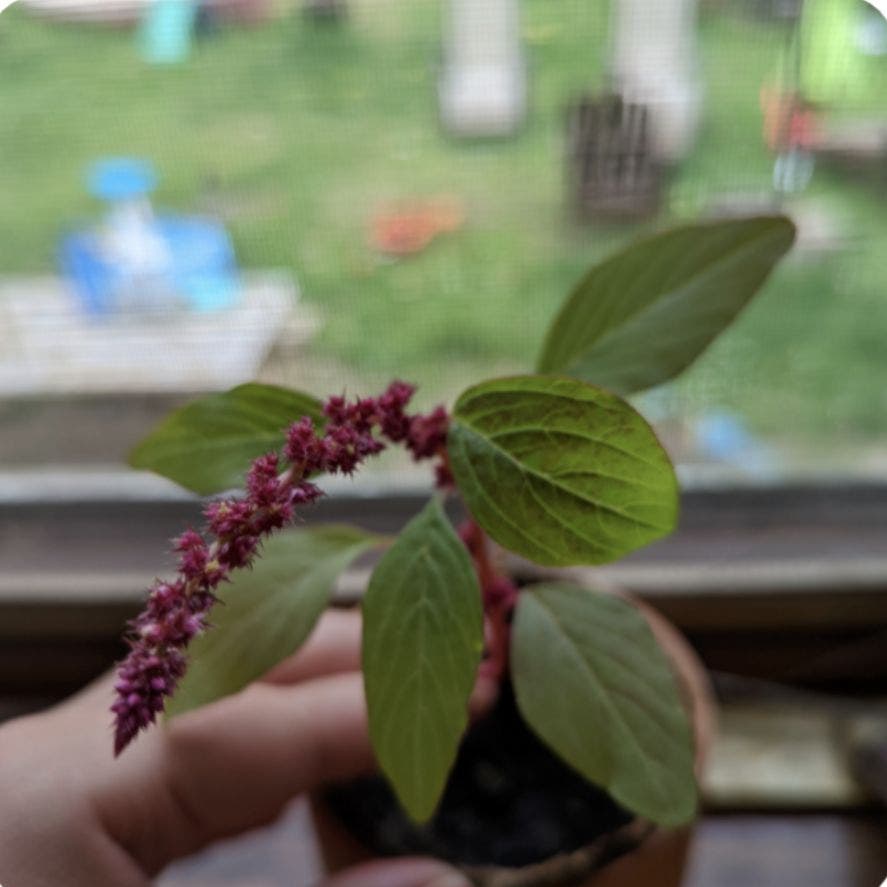
My Redroot Pigweed's Sunlight Needs
Amaranthus retroflexus
By the Greg Editorial Team
Jun 18, 2024•3 min read
This article was created with the help of AI so we can cover more plants for you. May contain errors. See one? Report it here.
- Full sunlight needed: At least six hours for healthy Redroot Pigweed.
- 🌱 Indoor lighting tip: 24W LED grow light, 12 inches above plant.
- Flowering needs: Adjust light duration from 14-16 to 12 hours.
Soaking Up the Sun Outdoors
🌞 Finding the Sweet Spot for Sunlight
Redroot Pigweed, a sun worshipper, thrives in the heat. It's happiest with a full day of sunlight, basking in the glory of at least six hours of direct rays. But, as the seasons shift, so should your plant's sunbathing spot. Summer's peak might call for a little shade to prevent a scorched earth scenario.
Signs Your Pigweed is Getting Too Much or Too Little Sun
Leaves don't lie. If they're looking bleached or as if they've been in a fryer, it's time to dial back the sun exposure. Conversely, if your Pigweed's growth is more sluggish than a Monday morning, it's craving more light. Adjust your plant's position to find that Goldilocks zone—just right. Keep an eye out for new growth; it's the tell-tale sign you've hit the sweet spot.

Bringing the Sunshine Indoors
🌞 Windowsill or Grow Light?
When indoors, the sun's generosity can be stingy. Natural light from a south- or west-facing windowsill is like winning the plant lottery, but it's not always a jackpot. Artificial light, on the other hand, is a reliable fallback. The pros of natural light are its cost (free) and full spectrum, but it's a gamble with your Redroot Pigweed's mood. Artificial lights, such as LEDs or fluorescents, offer consistency and control but can add to your electricity bill. For Redroot Pigweed, a 24W LED grow light is a solid bet, providing a balance of efficiency and intensity.
💡 Setting Up Your Indoor Light Oasis
Positioning is key. Your Redroot Pigweed should bask in the glow of your grow light, but not so close it singes its ambitions. Start with the light about 12 inches above and adjust as your plant reacts. To mimic the great outdoors, set up a light schedule with 14-20 hours of light per day, using a timer to automate the sunrise and sunset. This will keep your Redroot Pigweed's photosynthesis on track and its spirits high, even when the actual sun is playing hard to get.

Does Your Pigweed Want to Flower? Light's Role
💡 Encouraging Blooms with Light
Light intensity and duration are critical for coaxing Redroot Pigweed into its flowering stage. To trigger blooming, you'll need to provide long days of bright light followed by shorter periods as the plant matures.
🌱 Adjusting Light for Non-Flowering and Flowering Stages
During the vegetative stage, Redroot Pigweed thrives under 14-16 hours of light. When you're ready to shift gears to flowering, gradually reduce the light to 12 hours. This mimics the natural shortening of days in fall, signaling to your plant that it's showtime for flowers.
Remember, the quality of light matters as much as quantity. Full sun is the gold standard outdoors, while indoors, a combination of LED or fluorescent lamps can do the trick. If you're serious about seed production, consider a high-pressure sodium HID bulb for that extra push.
Keep an eye out for the plant's response. If it's looking stressed or sunburnt, it's time to dial back the intensity. Conversely, if your Pigweed is still playing it cool, it might be craving more light. It's a delicate dance, but when you hit that sweet spot, expect a floral fiesta.

⚠️ Safety First
This content is for general information and may contain errors, omissions, or outdated details. It is not medical, veterinary advice, or an endorsement of therapeutic claims.
Always consult a qualified healthcare professional before using any plant as food, medicine, or supplement.
Never eat any plant (or feed one to pets) without confirming its identity with at least two trusted sources.
If you suspect poisoning, call Poison Control (800) 222-1222, the Pet Poison Helpline (800) 213-6680, or your local emergency service immediately.
Spotted an error? Please report it here.
Ensure your Redroot Pigweed flourishes with just the right light by using Greg to optimize indoor sunshine 🌞 and keep your greens growing gloriously.