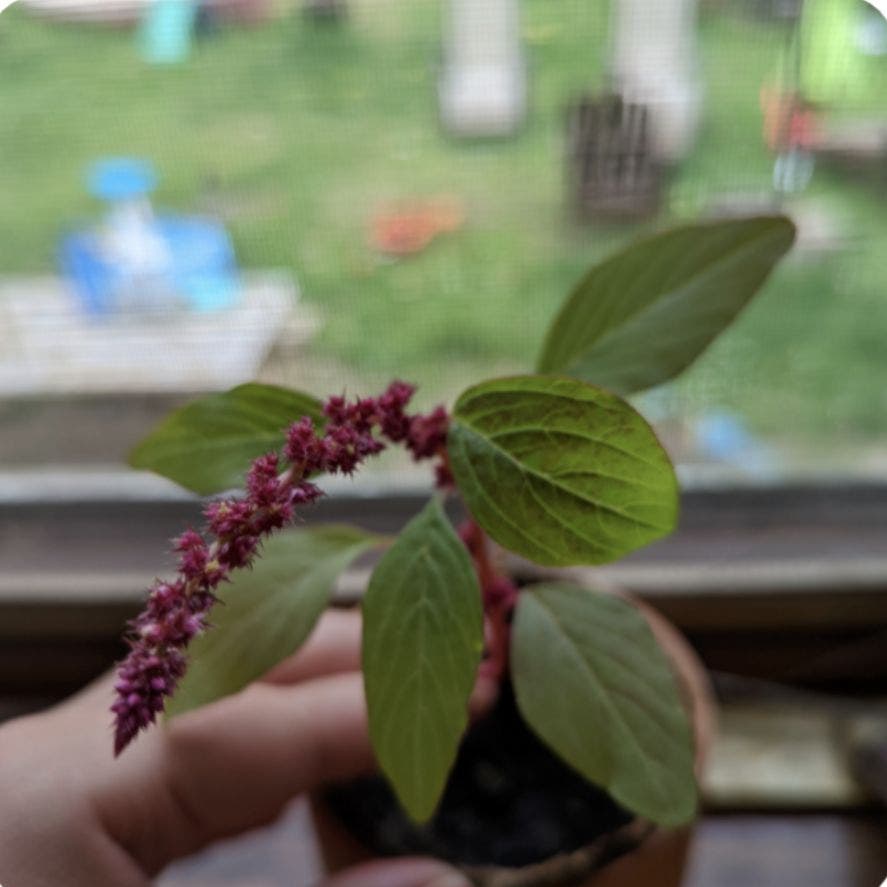
Why Are My Redroot Pigweed Leaves Falling Over?
Amaranthus retroflexus
By the Greg Editorial Team
Jun 18, 2024•4 min read
This article was created with the help of AI so we can cover more plants for you. May contain errors. See one? Report it here.
- Droopy leaves signal stress, often due to hot conditions or nutrient deficiencies.
- 🌱 Regular inspections for pests and diseases are crucial for plant health.
- Consistent care and monitoring ensure long-term vigor and prevent drooping.
Spotting the Signs: Is Your Redroot Pigweed in Trouble?
Recognizing drooping leaves can be the first sign of a Redroot Pigweed asking for help.
🚩 Visual Cues: Recognizing Distress
Leaves that once reached for the sky might now hang their heads in fatigue. Discoloration, such as yellowing or browning, often accompanies the droop. Look for black spots or unusual patterns, which could signal a deeper issue. Soft, mushy stems or a sudden leaf drop are red flags that demand immediate attention.
⏰ Timing and Progression
Leaves typically start to fall over when the plant is under stress. If you notice early morning limpness, check back in the afternoon. Persistent droopiness is a cry for intervention. The progression from a slight sag to a full-on slump can happen quickly, especially under hot conditions.
🔬 Under the Microscope
Flip those leaves. Pests adore the underside hideout. Early detection is crucial, so make it a habit to inspect your pigweed regularly. Vigilance is key to keeping your pigweed from becoming a droopy disappointment.

Zeroing in on the Culprits: Common Causes for Droopy Leaves
🌱 Nutrient Shortfalls
Yellowing leaves often wave the flag for nitrogen deficiency. Potassium shortage? Look for browning leaf tips. When new growth twists, calcium might be the missing link. A quick soil amendment can bring your pigweed back from the brink.
💧 Water Woes
It's a tightrope walk between drought and drown. Your pigweed craves balance. Check the soil an inch down; if it's Sahara-dry, it's time to water. But if it's soggy, hold off. Overwatering invites root rot, and nobody wants that mess.
🐜 Unwanted Guests: Pests and Diseases
Pests like aphids and spider mites see your pigweed as a free buffet. Diseases thrive in the wet and wild of over-loved soil. Catch these party crashers early. A spritz of insecticidal soap or neem oil can send them packing without an encore.

Turning Things Around: Effective Remedies
💪 Nutrient Boosts
Balanced fertilization is your pigweed's ticket to recovery. Here's how to get it right:
- Choose a water-soluble fertilizer with equal parts nitrogen, phosphorus, and potassium.
- Apply sparingly—overdoing it can harm more than help.
- Follow the product's schedule, typically every 4-6 weeks during the growing season.
💧 Watering Wisdom
Your pigweed's thirst is specific. To master watering:
- Check the soil before each watering—aim for moist, not soggy.
- Allow the top inch to dry out between waterings.
- If leaves droop and soil is wet, hold off on watering and consider better drainage.
🛡️ Defending Your Plant
Pests and diseases can turn leaves into a droopy mess. To combat this:
- Inspect leaves regularly for unwelcome guests.
- Use a blast of water or insecticidal soap for mild infestations.
- For persistent problems, neem oil is your go-to solution.
- Ensure good air circulation and avoid wetting the leaves to prevent fungal diseases.

Prevention: Keeping Your Redroot Pigweed Standing Tall
🌱 Long-Term Strategies for Vigor
Consistency is your pigweed's best friend. Establish a care routine that's as regular as clockwork. This isn't just about ticking boxes; it's about understanding the rhythm of your plant's needs and meeting them without fail.
🌱 Soil and Seed Management
Rotate your crops, or in this case, your pigweed's position. Don't let pests settle in. Use mulches to suppress weeds and keep those pigweed seeds from seeing the light of day. Remember, a clean garden is a happy garden. Rinse off your tools like you're scrubbing for surgery to avoid spreading any unwelcome pigweed seeds.
🌱 Watering Discipline
Get to know your pigweed's thirst. Too much love in the form of water can drown its spirits, while too little can leave it parched. The Goldilocks zone? Moist, but never soggy. Use the trusty finger test—dry a couple of inches down means it's time to water.
🌱 Nutrient Management
Feed your pigweed like you're a Michelin-starred chef. A balanced diet of nitrogen and phosphorus after your main crops are established will make your pigweed tough enough to stand up to any bully.
🌱 Pest and Disease Vigilance
Keep an eagle eye out for the sneaky critters that want a piece of your pigweed. Regular check-ups can catch pests and diseases before they turn into a full-blown infestation. If you spot trouble, act fast—your pigweed's life depends on it.
🌱 Monitoring and Adjusting
No two pigweeds are alike. Monitor your plant's performance and tweak your care routine as needed. It's like being a plant detective, always on the lookout for clues that your pigweed is anything less than perfect.
⚠️ Safety First
This content is for general information and may contain errors, omissions, or outdated details. It is not medical, veterinary advice, or an endorsement of therapeutic claims.
Always consult a qualified healthcare professional before using any plant as food, medicine, or supplement.
Never eat any plant (or feed one to pets) without confirming its identity with at least two trusted sources.
If you suspect poisoning, call Poison Control (800) 222-1222, the Pet Poison Helpline (800) 213-6680, or your local emergency service immediately.
Spotted an error? Please report it here.
Ensure your Redroot Pigweed thrives by tackling droopy leaves and hidden pests, with custom care plans 🌱 from Greg to keep your garden vigorous and healthy.