What Do Redroot Pigweed Flowers Mean?
Amaranthus retroflexus
By the Greg Editorial Team
Jun 18, 2024•4 min read
This article was created with the help of AI so we can cover more plants for you. May contain errors. See one? Report it here.
- Flowers signal health in Redroot Pigweed, reflecting vigor.
- Seasons affect blooming; understand their impact for better flowering.
- Symbolism: Represents resilience, adaptability, and unyielding growth.
When Pigweed Blossoms: Decoding the Signs
🌸 What Flowering Tells You About Your Plant's Health
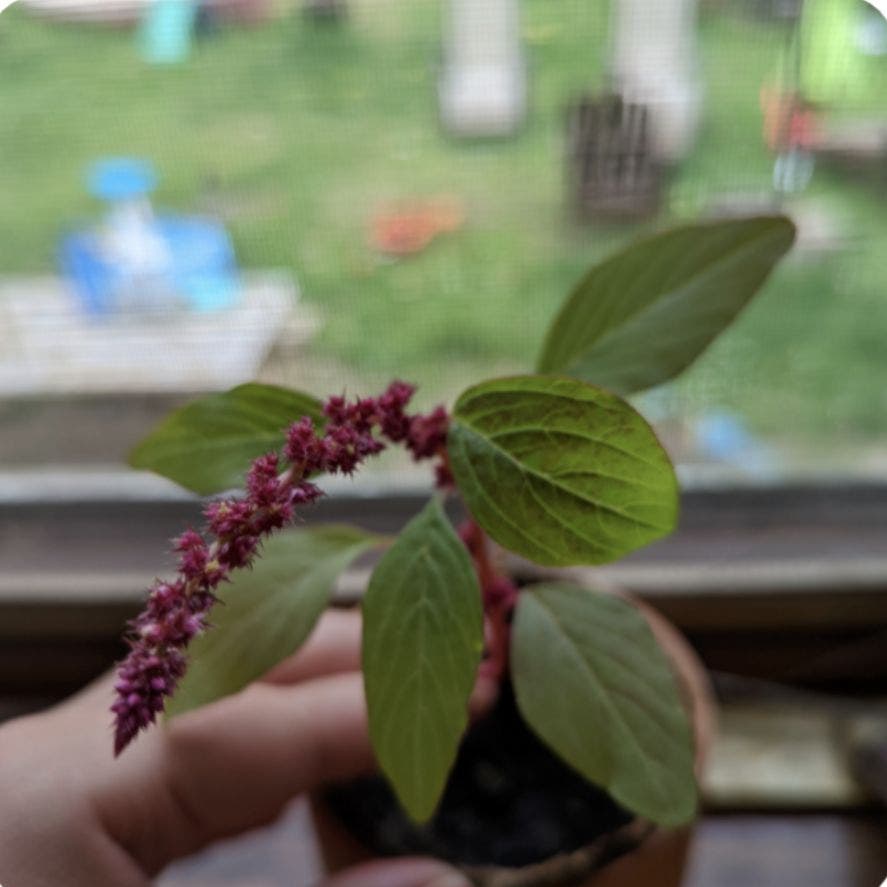
Flowering in Redroot Pigweed is a telltale sign of plant vigor. When you see blossoms, it's like the plant is giving you a thumbs up. These flowers indicate that your pigweed has settled in well, soaking up the right amount of sunshine and nutrients. A blooming pigweed is a happy pigweed, and if it's popping flowers in just six to seven weeks, you're on the right track.
🍂 The Impact of Seasons on Redroot Pigweed Blooms
The seasons play a pivotal role in the life cycle of Redroot Pigweed. As the days shorten, these plants kick into high gear, racing to flower and set seed. If your pigweed emerges in the balmy days of early summer, expect a leisurely six to seven weeks before flowers show. But if it's late in the game, with shorter days, your pigweed will hustle, flowering rapidly, sometimes with as few as three leaves. It's a seasonal sprint to reproduction before the frost hits, with the plant's internal clock ticking in sync with the sun's schedule.

Getting Your Redroot Pigweed to Flower
💡 The Right Spot: Light and Temperature Needs
Finding the perfect location is key for your Redroot Pigweed to flourish.
Bright, indirect light is the sweet spot; too much sun and your plant could burn, too little and it may never bloom. Aim for a spot that mimics the Goldilocks principle—just right.
Temperature is equally crucial. Redroot Pigweed thrives in warmth, so keep it cozy but not sweltering. Think stable temperatures, ideally between 15 and 21 degrees Celsius.
🏡 Soil and Water: The Foundation of Flowering
Soil and water are the bedrock of your plant's health.
For soil, think rich but well-draining; a mix that's nutrient-dense yet airy. Add organic matter or perlite to strike the right balance.
Watering is a delicate dance. Keep the soil moist but not waterlogged. When the top feels dry, it's time to water.
Remember, your Redroot Pigweed's roots need a comfy bed to support those vibrant blooms.

Nurturing the Bloom: Care Tips for Flowering Pigweed
💡 Feeding Your Flowers: Fertilization and Nutrients
To encourage vibrant blooms in Redroot Pigweed, it's crucial to choose the right fertilizer. A balanced diet for your plant is key, with a particular emphasis on phosphorus, which is the go-to nutrient for flowering. Opt for a water-soluble or organic fertilizer that includes nitrogen, phosphorus, and potassium, as well as essential trace elements.
Remember, moderation is your friend. Over-fertilizing can lead to a lush green plant with few to no flowers. Stick to a half-strength application during the growing season to promote blooming over foliage.
🌱 Pruning and Maintenance: Keeping the Blooms Coming
Pruning is not just about aesthetics; it's about encouraging your Redroot Pigweed to keep those blooms coming. Pinch off spent flowers to prevent the plant from putting energy into seed production, which can signal the end of the blooming cycle.
Regular maintenance also involves monitoring the plant's overall health. Keep an eye out for signs of nutritional deficiencies or pest infestations and address them promptly to avoid compromising the flowering process. Remember, a healthy plant is a blooming plant.

The Bigger Picture: Symbolism and Cultural Relevance
🌼 From Folklore to Modern Gardens: What Pigweed Flowers Symbolize
While Redroot Pigweed may not boast the same level of fame as the red poppy in the UK, it carries its own cultural weight. In the tapestry of plant symbolism, each bloom tells a story, and pigweed's is one of resilience and adaptability.
🌿 Cultural Roots and Symbolism
Redroot Pigweed, with its tightly clustered flowers, has been a symbol of sustenance and survival. Native to North America, it's a plant that has fed, healed, and even annoyed generations. Its presence in folklore is less documented, but its nutritional value has been celebrated in various cultures, from the Aztecs to modern-day India.
🌱 Modern Interpretations
In contemporary gardens, pigweed might not be the star, but it's a hardy volunteer, sprouting up as a reminder of nature's tenacity. It's the plant that thrives against the odds, embodying a spirit of unyielding growth.
🥗 Edible and Nutritious
Beyond symbolism, Redroot Pigweed is a nutritious green, rich in history as a food source. It's a versatile plant that's been both revered and reviled, but always present.
🌱 A Symbol of Invasiveness
In the garden, pigweed's symbolism can take on a more practical tone. It's often seen as a weed, a plant that doesn't know its boundaries, reflecting perhaps on our own tendencies to spread beyond our means.
🌿 Reflecting on Pigweed
As we consider the symbolism of Redroot Pigweed, it's a chance to reflect on the lesser-known narratives of the plant world. Pigweed's story is a humble one, but it's rich with meaning for those who take the time to look.
⚠️ Safety First
This content is for general information and may contain errors, omissions, or outdated details. It is not medical, veterinary advice, or an endorsement of therapeutic claims.
Always consult a qualified healthcare professional before using any plant as food, medicine, or supplement.
Never eat any plant (or feed one to pets) without confirming its identity with at least two trusted sources.
If you suspect poisoning, call Poison Control (800) 222-1222, the Pet Poison Helpline (800) 213-6680, or your local emergency service immediately.
Spotted an error? Please report it here.
Ensure your Redroot Pigweed thrives and blooms 🌼 with Greg's personalized care plans, tailored to your garden's unique conditions.