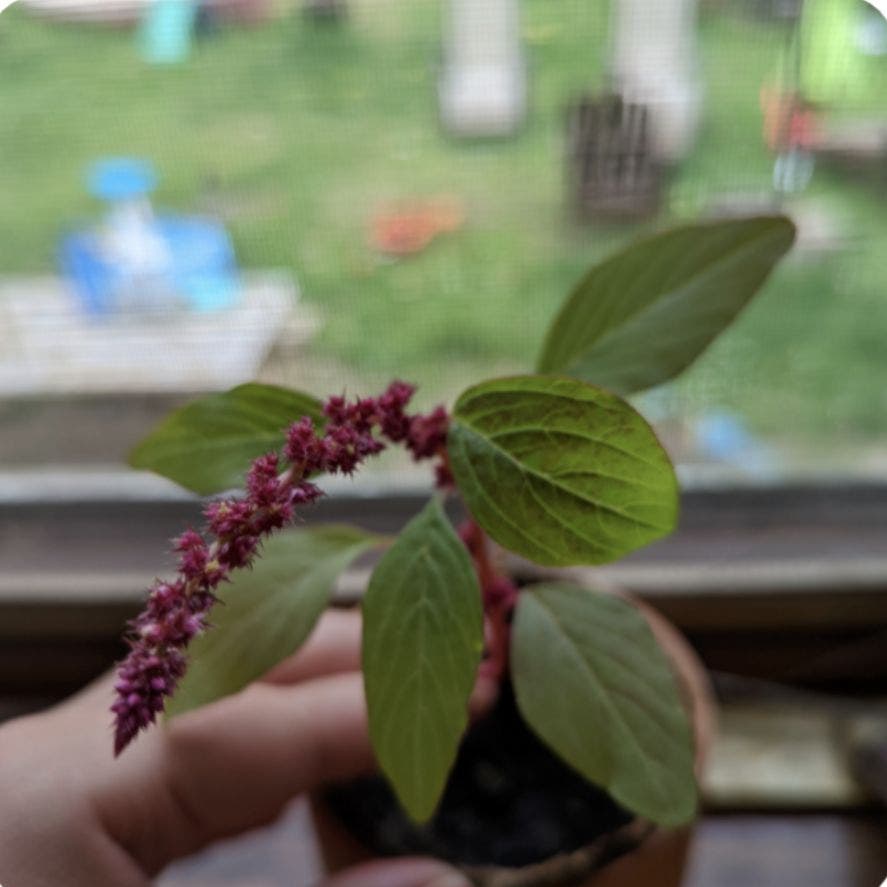
Why Are My Redroot Pigweed Leaves Mushy?
Amaranthus retroflexus
By the Greg Editorial Team
Feb 03, 2024•4 min read
This article was created with the help of AI so we can cover more plants for you. May contain errors. See one? Report it here.
- Mushy leaves signal trouble, often due to overwatering or fungal infections.
- Adjust watering habits and let soil dry out to prevent mushiness.
- Prune with sterilized shears to stop the spread of infection.
Spotting the Signs of Trouble
🍄 Identifying Mushy Leaves
Texture is your first clue. If your Redroot Pigweed leaves have the consistency of a damp sponge, that's a red flag. Color changes are another distress signal; leaves turning a sickly yellow or brown aren't just trying out new autumn hues—they're in trouble. Look for leaves that feel too soft under gentle pressure, or worse, ones that drop off with the enthusiasm of a teenager asked to do chores.
Assessing the Severity
Is it a full-blown leaf apocalypse or just a few sad specimens? Check the spread. If it's just a couple of leaves, you might be dealing with a localized issue. But if your plant looks like it's been through a leafy horror movie, with widespread mushiness and a stench of defeat, it's time for some serious plant triage.
Rooting Out the Causes
💦 Overwatering and Poor Drainage
Overwatering is like helicopter parenting for plants; it smothers them with too much attention. Signs include leaves that feel more like a wet paper towel than a robust plant part. If the soil clings to your fingers with a mud-like consistency, it's a telltale sign of overindulgence in water.
Poor drainage is the silent accomplice in this soggy crime. If water pools on the surface or your pot's drainage holes are as effective as a screen door on a submarine, you've got a problem. It's not just about the amount of water you give, but also where it goes—or doesn't go.
🍄 Fungal Foes
Fungi are the party crashers in this wet environment, thriving where they shouldn't. Common culprits include the likes of Phytophthora and Pythium, which are as fun to deal with as they are to pronounce.
Spotting a fungal infection on your Redroot Pigweed involves looking for leaves that have traded their healthy green for unsightly brown or yellow spots. These blemishes are the battle scars of a fungal invasion, and they're a clear signal that your plant is under siege.
First Aid for Mushy Leaves
💧 Adjusting Your Watering Habits
Overwatering is a common misstep that leads to mushy Redroot Pigweed leaves. To find the watering sweet spot, let the top inch of soil dry out before giving your plant another drink. Use a moisture meter or the trusty finger test to gauge soil dampness. If it's still moist, resist the urge to water; patience here is key.
Making it rain (but not too much)
Even watering is crucial. Ditch the schedule and focus on your plant's needs. Water when the soil feels dry to the touch, and aim for even moisture distribution. This means watering slowly and evenly, allowing the water to reach the roots without flooding the plant.
🛡️ Battling the Fungus Among Us
When fungi invade, it's time to get tactical. Select a fungicide that's effective against common fungi found in wet conditions. Organic options like neem oil are great, but for severe cases, a copper-based fungicide can be a plant lifesaver. Always wear gloves and a mask, and follow the instructions to the letter.
Surgical strikes
Prune affected leaves with precision. Use sterilized shears and snip away the mushy offenders. After each cut, clean your tools to prevent spreading the infection. Think of it as giving your plant a fresh start, removing the bad to make way for the good. And remember, dry leaves are happy leaves—keep them that way to fend off future fungal parties.
Keeping Your Pigweed Perky
💧 Water Wisdom
Timing is everything. To keep your Redroot Pigweed thriving, establish a watering schedule that reflects its needs. Check the soil moisture before watering; if it's damp, skip the day. Overwatering leads to mushy leaves, so aim for a consistent routine that keeps the soil moist but not waterlogged.
Mulch magic is real. Apply a layer to maintain moisture balance and keep those pesky weeds from stealing your Pigweed's thunder. But don't overdo it; about two inches should do the trick without suffocating your plant.
🧼 Cleanliness is Key
Keep those leaves dry. Water at the base to avoid creating a haven for fungi. If you must water from above, do it early in the morning so the leaves can dry out during the day.
Tool time isn't just a TV show. It's a reminder to keep your gardening tools clean. Sanitized shears make clean cuts and prevent the spread of disease. It's like giving your Pigweed a health insurance policy.
⚠️ Safety First
This content is for general information and may contain errors, omissions, or outdated details. It is not medical, veterinary advice, or an endorsement of therapeutic claims.
Always consult a qualified healthcare professional before using any plant as food, medicine, or supplement.
Never eat any plant (or feed one to pets) without confirming its identity with at least two trusted sources.
If you suspect poisoning, call Poison Control (800) 222-1222, the Pet Poison Helpline (800) 213-6680, or your local emergency service immediately.
Spotted an error? Please report it here.
Avoid mushy leaves on your Redroot Pigweed by following Greg's custom watering schedule 💧 to ensure just the right amount of moisture for healthy plants.