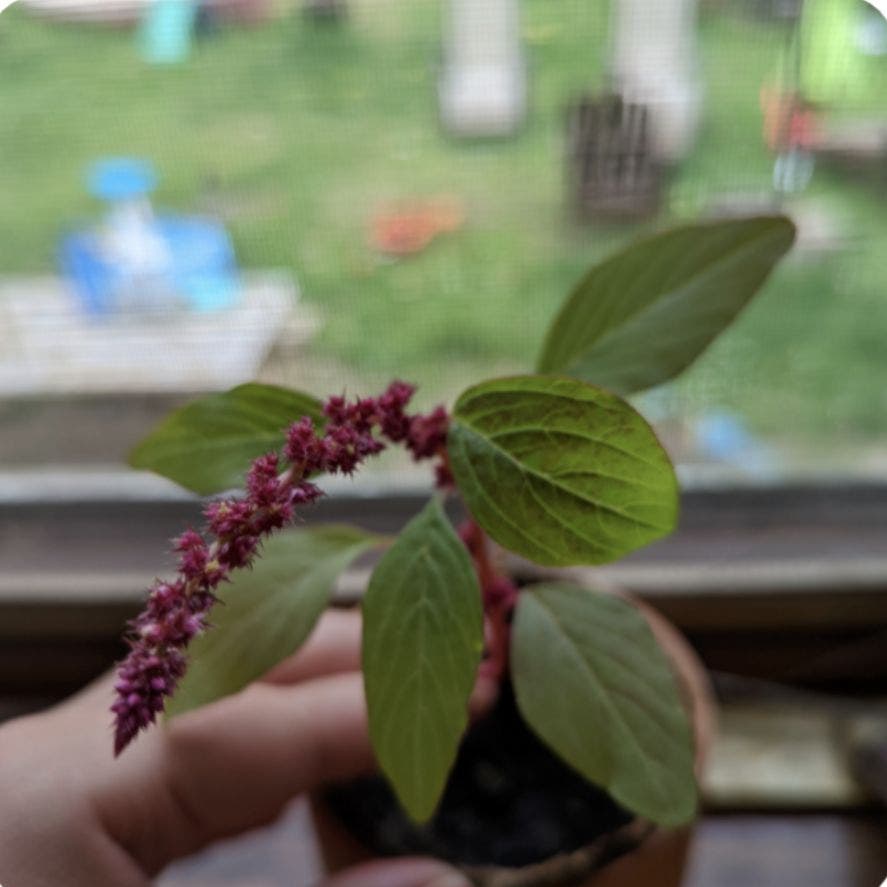
Redroot Pigweed Root Rot Solutions
Amaranthus retroflexus
By the Greg Editorial Team
Jun 18, 2024•3 min read
This article was created with the help of AI so we can cover more plants for you. May contain errors. See one? Report it here.
- Wilting, yellow leaves signal root rot in Redroot Pigweed.
- Dry soil between waterings to prevent root rot.
- Use disease-resistant soil amendments for long-term health.
Spotting Trouble: Recognizing Root Rot in Redroot Pigweed
🚨 Telltale Signs of Root Rot
Wilting leaves and a yellow hue are the first cries for help from your Redroot Pigweed. These symptoms are not just a sign of thirst or a bad day; they're a distress signal from your plant's roots. If growth seems stunted, it's not the plant being lazy—it's struggling to survive.
Root discoloration is like unearthing a secret; it's the hidden problem that speaks volumes. When you dig up the roots and they resemble something from a horror scene—dark and mushy—you've hit the root rot jackpot. It's not just a bad hair day for your plant's roots; it's a full-blown crisis.
🛡️ Early Detection: Your Best Defense
Catching root rot early is like defusing a bomb before it goes off. Regular check-ups are your best defense. Don't wait for your plant to look like it's giving up on life; proactive inspections can save your Pigweed from a root rot disaster. If the roots feel like they've been through a shredder, it's time to take action—stat.

Turning the Tide: Immediate Actions to Combat Root Rot
💧 Water Wisely
Adjust your watering routine to protect Redroot Pigweed from root rot. The golden rule? Let the soil dry slightly between waterings. Overzealous with the watering can? Pause. Let the top inch of soil become dry to the touch before the next watering session.
🌱 Soil SOS: Revamping Your Plant's Foundation
Organic matter is your ally in enhancing soil drainage. Mix in compost or leaf mold to increase porosity. Soil structure too dense? A dash of perlite or coarse sand can loosen things up. Remember, roots need air as much as they need water. Keep the soil well-aerated and avoid compaction to prevent root rot from taking hold.

Fungus Among Us: Dealing with the Invisible Enemy
🕵️♂️ Choosing Your Fungal Foes
Identifying the culprits behind root rot in Redroot Pigweed is like being a plant detective. Common fungal villains include Anthracnose, Fusarium, and Rhizoctonia. These fungi are stealthy, attacking when conditions are moist and poorly drained. Regular inspections are crucial, especially after wet conditions.
💉 Fungicide to the Rescue
When root rot strikes, it's time for fungicides. Neem oil and biological fungicides are less toxic choices for tackling the issue. Rotate your fungicides to prevent resistance. Apply according to the label—this isn't a suggestion, it's the rule. For tougher cases, chemical fungicides like iprodione or fenhexamid may be necessary, but always spot-test first. Remember, timing is key; use fungicides at the first signs of trouble to prevent a full-blown fungal takeover.

Future-Proofing Your Pigweed: Long-Term Prevention Strategies
🌱 Planting with Purpose
Depth and spacing are non-negotiables for thriving Redroot Pigweed. Stick to the sweet spot of 0.2–0.8 inches for seed depth to optimize emergence. Overcrowding is a silent killer; it's like hosting a massive plant party and forgetting to ventilate the room. Good airflow is crucial, so give your pigweed room to breathe, ensuring they're not elbow-to-elbow like commuters on a rush-hour train.
🌱 Soil Vigilance
Regular soil tests are like health check-ups for your garden; they keep you clued into pH and nutrient levels. It's all about balance—too much nitrogen and phosphorus is like an all-you-can-eat buffet for pigweed pests. And let's talk about disease-resistant soil amendments—they're the unsung heroes, the secret sauce to robust pigweed health. Consider them your garden's immune system boosters, warding off future root rot outbreaks.
⚠️ Safety First
This content is for general information and may contain errors, omissions, or outdated details. It is not medical, veterinary advice, or an endorsement of therapeutic claims.
Always consult a qualified healthcare professional before using any plant as food, medicine, or supplement.
Never eat any plant (or feed one to pets) without confirming its identity with at least two trusted sources.
If you suspect poisoning, call Poison Control (800) 222-1222, the Pet Poison Helpline (800) 213-6680, or your local emergency service immediately.
Spotted an error? Please report it here.
Prevent root rot in your Redroot Pigweed by following a custom watering plan 🌱 from Greg, tailored to keep your soil and plants healthy based on expert advice!