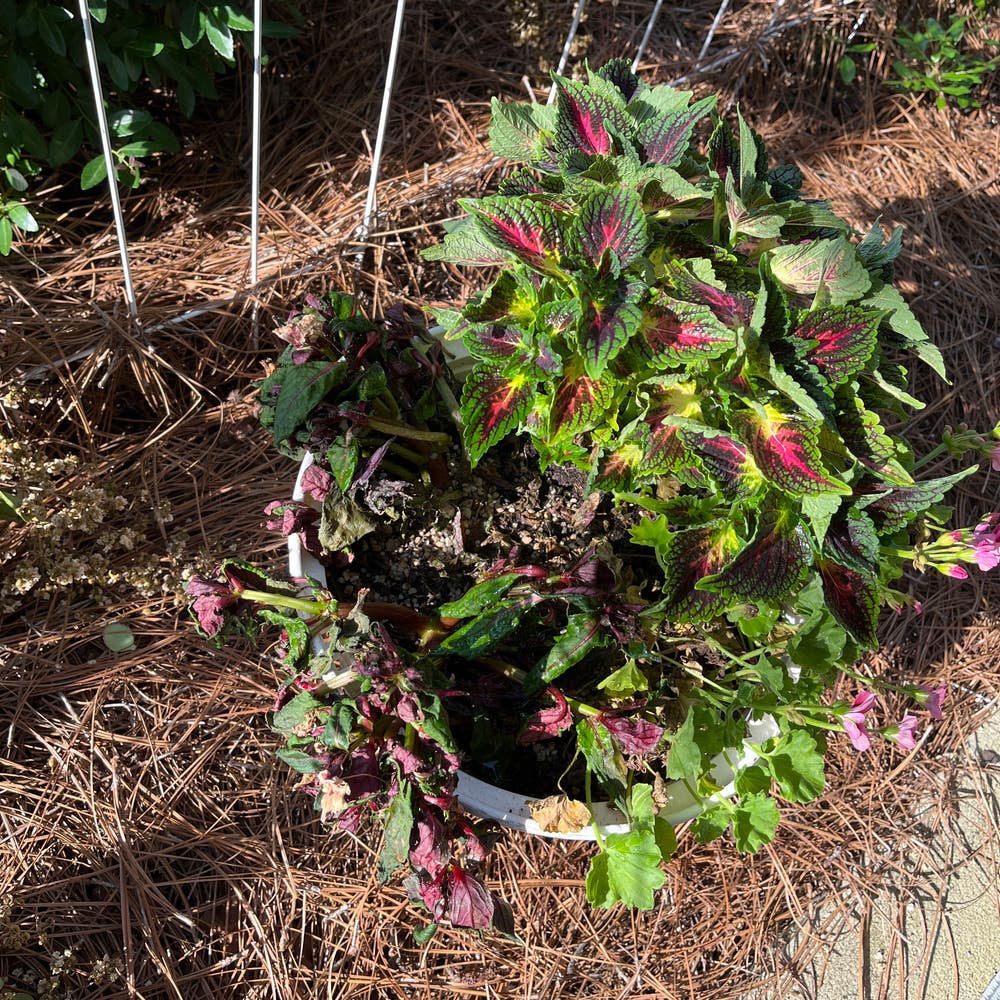
How Do I Propagate My Poor Man's Rhododendron?
Impatiens sodenii
By the Greg Editorial Team
Feb 29, 2024•4 min read
This article was created with the help of AI so we can cover more plants for you. May contain errors. See one? Report it here.
- Stem cuttings and air layering are two effective propagation methods.
- 🌱 Right soil and potting are crucial for propagation success.
- 💦🌤️ Water wisely and provide bright, indirect light for strong growth.
Choosing Your Propagation Adventure: Stem Cuttings or Air Layering?
🌱 Stem Cuttings: Snip and Dip
Selecting the Right Stem
Choose a stem that's healthy and robust, one that looks like it could easily stand on its own after being snipped. Aim for a length of 4-6 inches, with several leaf nodes—those are the potential root hotspots. Strip the lower leaves to prevent rot, keeping a couple at the top for photosynthesis.
Preparing Your Cuttings
Dip the cut end into rooting hormone to give your cuttings a significant edge in the rooting race. Plant them in soil, ensuring the nodes are underground. Remember, rooting hormone is like a pep talk, not a pep rally—use it sparingly.
✂️ Air Layering: Wrap and Wait
Identifying the Perfect Branch
For air layering, pick a mature yet pliable branch from your Poor Man's Rhododendron. Make sure it's healthy—this will be the lifeline for your new plant.
Steps to Air Layer
Make an upward incision about one-third into the stem and apply rooting hormone to encourage root growth. Insert a toothpick to keep the cut open. Then, wrap the area with moist sphagnum moss and secure it with plastic wrap. Patience is key; roots will develop over time, right on the branch.
Getting Your Hands Dirty: Planting Your New Babies
🌱 The Right Soil Mix
Choosing the right soil for your Poor Man's Rhododendron is like picking the perfect mattress. You want one that's just firm enough to support but soft enough for comfort. Go for a well-draining mix; a blend of potting soil, perlite, and a bit of compost should hit the sweet spot. This trio is like the holy trinity for your plant's roots, offering a balance of nutrients, aeration, and moisture control.
🌿 Potting Like a Pro
When potting, think of it as tucking your plant babies into bed. Sterilize your pots first to give them a fighting chance against unseen pathogens. Fill the bottom with your pre-mixed soil, then place your cutting or air-layered plant gently inside. Don't bury them too deep—just enough to stand tall and proud. Top off with soil, press lightly to eliminate air pockets, and water to settle them in. Remember, these newbies need a snug fit, not a spacious palace.
The First Few Weeks: Baby Steps to Strong Roots
💧 Watering Wisely
Watering your new propagations is crucial but can be tricky. Aim for moist soil, similar to a damp sponge. The topsoil should be your moisture meter; if it's dry, it's time to water. But remember, your plants are not in a drinking contest—moderation is key.
🌞 Light and Love
Your propagations need light, but not just any kind. Bright, indirect light is the sweet spot for encouraging growth without the risk of leaf burn. Think of it as a cozy spot away from the harsh midday sun. Keep the environment warm, around 75° to 80°F, to mimic a nurturing spring day.
When Things Go Sideways: Propagation Pitfalls
🌱 Common Hiccups
In the world of propagation, root rot is the equivalent of a flat tire on a road trip—it stops your plant's journey in its tracks. Overwatering is often the culprit, so check the soil's moisture before giving your plant a drink. If you're faced with the mushy aftermath of rot, it's time to play plant surgeon. Remove the affected parts, let the healthy tissue air out, and then replant in fresh, well-draining soil.
🐜 Keeping Pests at Bay
Pests are like uninvited guests at a party—they show up unexpectedly and can be hard to get rid of. Keep a lookout for freeloaders like aphids and spider mites. If you spot these critters, reach for insecticidal soap or neem oil to show them the exit. To prevent fungal parties, promote good airflow around your plants, and have a fungicide on standby. Remember, a clean environment and vigilant inspections are your best defense against these propagation party crashers.
⚠️ Safety First
This content is for general information and may contain errors, omissions, or outdated details. It is not medical, veterinary advice, or an endorsement of therapeutic claims.
Always consult a qualified healthcare professional before using any plant as food, medicine, or supplement.
Never eat any plant (or feed one to pets) without confirming its identity with at least two trusted sources.
If you suspect poisoning, call Poison Control (800) 222-1222, the Pet Poison Helpline (800) 213-6680, or your local emergency service immediately.
Spotted an error? Please report it here.
Turn your propagation into a success story 🌿 with Greg's tailored care reminders and a community of growers to support your Poor Man's Rhododendron journey!