What Do I Do About poor man's rhododendron root rot?
Impatiens sodenii
By the Greg Editorial Team
Feb 29, 2024•3 min read
This article was created with the help of AI so we can cover more plants for you. May contain errors. See one? Report it here.
- Wilting, yellowing leaves signal root rot in Poor Man's Rhododendron.
- Cut away damaged roots and use fungicide for treatment.
- Prevent with careful watering, good drainage, and airflow.
Spotting the Red Flags: Symptoms of Root Rot in Poor Man's Rhododendron
🚨 Visual Distress Signals
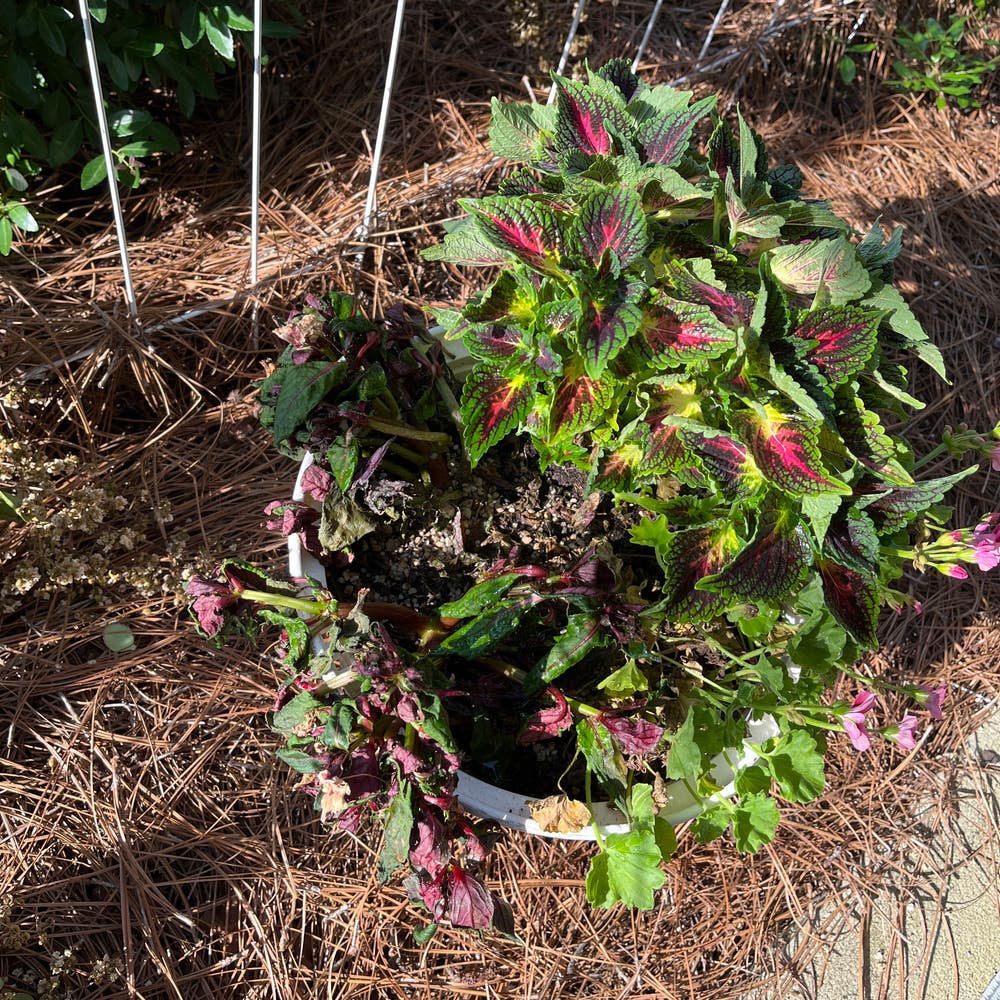
Wilting, yellowing leaves on your Poor Man's Rhododendron are not just a sign of neglect; they're a cry for help. These visual cues are the plant's way of saying, "I'm in trouble here!"
🕵️ Below the Surface
When you suspect root rot, it's time to play detective with the soil and roots. Healthy roots are firm and white, while rotting ones are mushy and discolored, resembling overcooked pasta rather than sturdy plant structures. If the soil smells like a swamp and feels soggier than a wet towel, your plant's roots might be suffocating.
The Root of the Problem: Causes Specific to Poor Man's Rhododendron
💦 Water Woes
Overwatering is akin to giving your plants a death hug. It's the most common misstep that leads to root rot in Poor Man's Rhododendron. Too much love in the form of H2O suffocates the roots, creating a soggy grave if not corrected promptly.
🚰 Drainage Dilemmas
Without proper drainage, water overstays its welcome around the roots. Poor drainage is like a blocked escape route during a flood—it spells disaster for the plant's underground parts, leading to inevitable rot.
🍄 Fungal Foes
Meet the bad guys: Phytophthora, Pythium, and Rhizoctonia. These fungi thrive in wet conditions, turning robust roots into mush. They're opportunistic, attacking when the plant is most vulnerable—sitting in waterlogged soil.
Emergency Response: Treating Root Rot ASAP
🏥 Surgical Precision
When root rot invades your Poor Man's Rhododendron, it's time for some decisive action. First, remove the plant from its pot with a sense of urgency. Next, gently wash the roots to remove soil and expose the damage. With sterilized shears, cut away all the dark, soft, and mushy roots. Be thorough, but remember, you're saving a life, not performing an amputation. Leave a margin of healthy tissue to ensure no rot is left behind.
🦠 Fungicide to the Rescue
After the surgery, it's time for a protective barrier. Choose a systemic broad-spectrum fungicide and apply it as a soil drench. This isn't just a splash-and-dash; follow the label's instructions meticulously. The goal is to use enough to be effective, not so much that you stress the plant further. Monitor your plant's recovery and water only when necessary, ensuring a dry base to prevent future outbreaks.
Building Defenses: Long-Term Care Adjustments
💧 Watering Wisdom
Consistency is key in watering your Poor Man's Rhododendron. Establish a routine based on the plant's needs, not the calendar. Check the soil's top inch; if it's dry, it's time to water. Aim for moist soil, but avoid sogginess. Overwatering invites root rot, so be vigilant and adjust as necessary.
🌱 Soil and Potting Mix Mastery
Select a sterile potting mix and enhance it with perlite, sand, or pumice for improved drainage. This ensures water flows freely, preventing the dreaded waterlogged conditions. Remember, the right soil mix is like a good mattress for your plant's roots—it should support and breathe.
🌿 Environmental Engineering
Create an environment that discourages root rot. Ensure good airflow around your plant and use pots with drainage holes. Empty saucers and trays regularly to avoid stagnant water. Adjust care with the seasons, and if you're forgetful, set reminders to keep on top of plant maintenance.
⚠️ Safety First
This content is for general information and may contain errors, omissions, or outdated details. It is not medical, veterinary advice, or an endorsement of therapeutic claims.
Always consult a qualified healthcare professional before using any plant as food, medicine, or supplement.
Never eat any plant (or feed one to pets) without confirming its identity with at least two trusted sources.
If you suspect poisoning, call Poison Control (800) 222-1222, the Pet Poison Helpline (800) 213-6680, or your local emergency service immediately.
Spotted an error? Please report it here.
Fight root rot 🛡 in your Poor Man's Rhododendron with Greg's custom watering plans, keeping your plant's feet dry and healthy from the ground up.