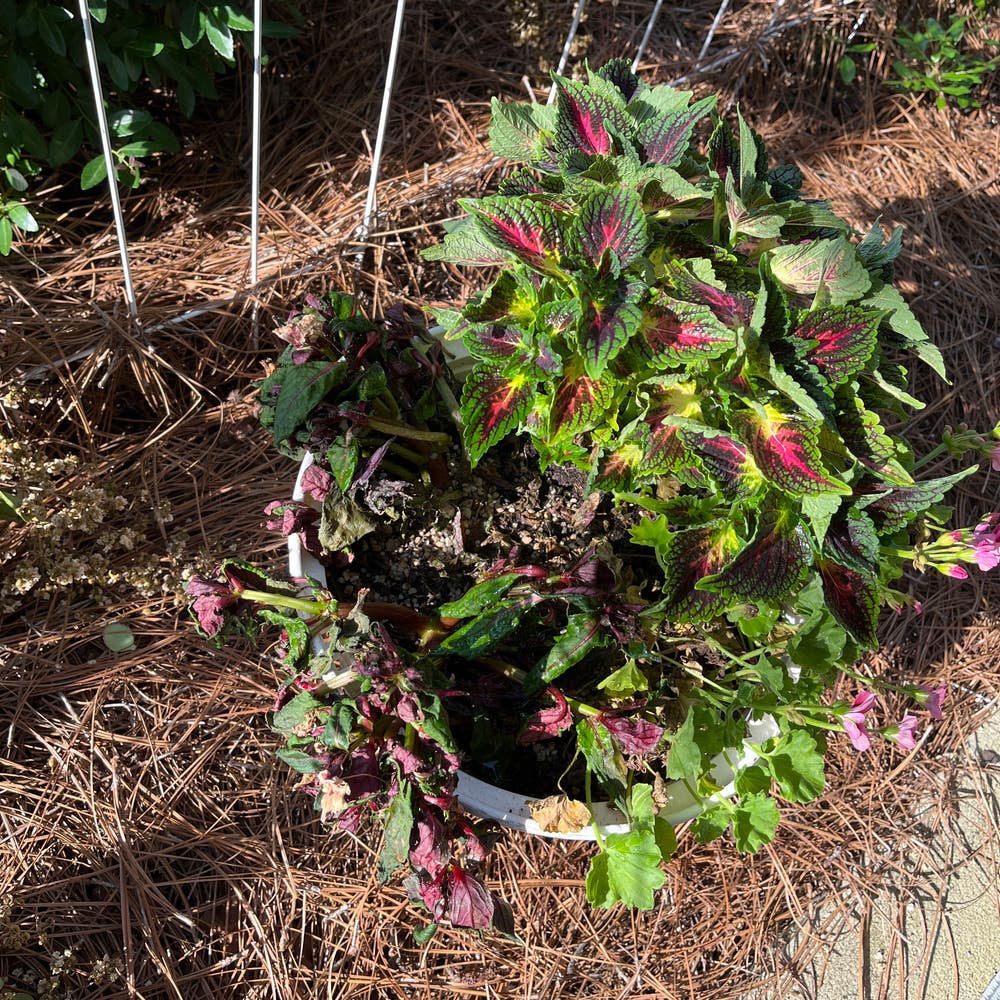
Why Are My Poor Man's Rhododendron Leaves Falling Over?
Impatiens sodenii
By the Greg Editorial Team
Feb 29, 2024•4 min read
This article was created with the help of AI so we can cover more plants for you. May contain errors. See one? Report it here.
- Over/underwatering causes droop: Look for mushy or crispy leaves.
- Nutrient balance is key: Pale leaves may signal deficiencies.
- Adjust care with seasons: Water, feed, and environment need seasonal tweaks.
Spotting the Culprits: Common Causes for Leaf Droop
💧 Overwatering vs. Underwatering
Yellow leaves might scream overwatering, while wilted foliage whispers of thirst. It's a delicate dance between too much and too little.
- Mushy leaves? You're drowning them. Ease up on the H2O.
- Dry, crispy leaves? Your plant's parched. Time to up the watering ante.
🌿 Nutrient Deficiencies: The Silent Leaf Droopers
Leaves turning as pale as a ghost could be signaling a nutrient heist. They're starved, and it's up to you to crack the case.
- Nitrogen deficiency often shows up as yellowing older leaves.
- Lack of potassium? Look for browning tips. Twisted new growth? Calcium might be the missing link.
Watering Woes: Balancing the Sips and Gulps
💧 Fine-Tuning Your Watering Routine
To keep your Poor Man's Rhododendron leaves from flopping, adjust the watering frequency and volume to match the plant's needs. The right balance feels like a moist, wrung-out sponge—not too wet, not too dry.
Soil type and pot drainage play pivotal roles. A sandy mix demands more frequent watering, while clay retains moisture longer. Ensure your pot has adequate drainage to avoid waterlogged roots.
💦 The Perks of Proper Hydration
Employ techniques for even watering, avoiding the extremes of drought and deluge. Consider the cycle watering method: small, spaced-out increments allow the soil to absorb moisture evenly.
Seasonal shifts affect your plant's thirst. It guzzles more during active growth and sips during dormancy. Adjust your routine as temperatures rise and fall, and watch for signs of stress.
Remember, the goal is a plant that's hydrated, not drowned or parched. Keep the soil's moisture consistent, and your Poor Man's Rhododendron will thank you with perky leaves.
Feeding Finesse: Nourishing Your Plant Back to Perkiness
🌱 Identifying and Fixing Nutrient Shortfalls
Choosing the right fertilizer mix is crucial. You wouldn't wear flip-flops to a snowstorm, so don't give your Poor Man's Rhododendron the wrong nutrient ensemble. Look for a balanced NPK ratio, like a 10-10-10 mix, to cover the basics. But remember, it's not just about NPK; micronutrients play a vital role too. Think of them as the side dishes that complete the meal.
Timing and methods for feeding your foliage friends are just as important as the mix. Don't just throw food at your plant and hope for the best. Instead, feed lightly and consistently, adjusting with the seasons—less in winter, more in the growing season. And consider the method: a granular slow-release fertilizer can be like a trust fund, giving your plant steady support over time, while liquid feeds are more like a paycheck, offering immediate but short-lived benefits.
Remember, overfeeding is the botanical equivalent of a nutrient-induced food coma. If your plant's leaves are curling up in protest, it's time to dial it back. Conversely, yellowing leaves or stunted growth might be your plant waving a white flag for more nutrients. Keep an eye out for feedback and adjust your approach accordingly. It's a dance, and you're both learning the steps.
Crafting the Perfect Environment
💡 Light, Temperature, and Humidity Harmony
To prevent your Poor Man's Rhododendron leaves from falling over, balance is key. Light, temperature, and humidity must harmonize like a well-tuned orchestra.
🌞 Adjusting the Environmental Factors
Bright, indirect light is the sweet spot for your plant. Direct sunlight can be too intense, causing leaves to retreat in protest. If your plant is indoors, place it near a window where the light is filtered through a curtain or blinds.
Temperature fluctuations are the enemy. Keep the thermostat steady, avoiding the drama of a midday sauna or a nighttime freeze. Stable temperatures help maintain leaf rigidity.
🚰 Recognizing Stress Signs and How to Respond
When leaves start to droop, it's a cry for help. Check your humidity levels; they should be consistent, not swinging like a pendulum. Use a hygrometer to monitor and adjust with a humidifier or dehumidifier as needed.
Airflow is the unsung hero. It's essential for preventing the leaf's equivalent of a bad hair day. Ensure your plant isn't suffocating in still air; a gentle fan can work wonders.
🛡️ Shielding from Shocks: Acclimatizing to Prevent Environmental Stress
Plants despise surprises. Introduce changes to light or temperature gradually. It's like getting into a hot bath—one toe at a time.
Remember, crafting the perfect environment isn't about coddling—it's about providing a stage where your Poor Man's Rhododendron can perform its leafy ballet without fear of a misstep.
⚠️ Safety First
This content is for general information and may contain errors, omissions, or outdated details. It is not medical, veterinary advice, or an endorsement of therapeutic claims.
Always consult a qualified healthcare professional before using any plant as food, medicine, or supplement.
Never eat any plant (or feed one to pets) without confirming its identity with at least two trusted sources.
If you suspect poisoning, call Poison Control (800) 222-1222, the Pet Poison Helpline (800) 213-6680, or your local emergency service immediately.
Spotted an error? Please report it here.
Keep your Poor Man's Rhododendron leaves standing tall 🌿 with Greg's custom care reminders that adjust to your home's environment, ensuring your plant gets just the right amount of water, light, and nutrients.