Fertilizing My Poor Man's Rhododendron
Impatiens sodenii
By the Greg Editorial Team
Feb 29, 2024•4 min read
This article was created with the help of AI so we can cover more plants for you. May contain errors. See one? Report it here.
- Acidic, slow-release fertilizers are best for Poor Man's Rhododendron.
- Fertilize early spring and late summer for roots and dormancy prep.
- Avoid over-fertilization; watch for leaf burn and growth issues.
Choosing the Right Fertilizer
💩 Types of Fertilizers
For the Poor Man's Rhododendron, acidic, slow-release fertilizers are the secret sauce. They gradually dish out nutrients, mimicking the plant's natural uptake and preventing a feast-or-famine scenario. Balanced formulations with a good mix of nitrogen, phosphorus, and potassium, plus essential micronutrients, keep these shrubs in tip-top shape without going overboard.
📢 Reading the Signs
Your plant won't send you a text, but it's still chatty. Yellowing leaves can scream for more iron, while stunted growth might be whispering for more phosphorus. Pay attention to the foliage and flowering patterns; they're the plant's way of telling you what's on its nutritional wishlist.
Timing is Everything: When to Fertilize
🌱 Spring into Action
Early spring is your cue to fertilize Poor Man's Rhododendron. This timing is crucial as it coincides with the plant's natural growth spurt. Fertilizing as the plant wakes from dormancy provides the necessary nutrients for root development and sets the stage for vibrant blooms.
🍂 Prepping for Dormancy
As summer wanes, a late summer or early fall fertilization supports the plant's preparation for dormancy. This is the plant's time to store energy for the next season, so a balanced meal of nutrients is key. Avoid fertilizing too late in the fall; think of it as avoiding caffeine before bed—it's about letting the plant wind down naturally.
Fertilizing Like a Pro
💡 Dosage and Distribution
Pouring the right amount of fertilizer is like hitting the sweet spot in cooking – too little, and you won't taste the flavor; too much, and you'll spoil the dish. For Poor Man's Rhododendron, a half-strength liquid fertilizer monthly during the growing season is usually perfect. It's a bit like feeding a pet; you've got to measure it out.
Granular fertilizers are the set-it-and-forget-it option. Apply them as a side dressing, circling around the plant's base, and then water it in. This helps the nutrients to penetrate evenly without overwhelming any one spot. Remember, even distribution is key – think of it as giving each root an equal bite of the nutrient pie.
🚫 Hands Off the Leaves!
Fertilizer on foliage is a no-go. It's like getting sunscreen in your eyes – irritating and unnecessary. Always aim the fertilizer at the soil to avoid burning the leaves. If you're using a watering can or hose, control the flow to prevent splashing. If you do get some on the leaves, give them a quick rinse to wash off any residue.
For those who prefer a more precise approach, fertigation – combining fertilizing with irrigation – is your ally. It's like multitasking during your morning routine, brushing your teeth while in the shower. Just ensure the fertilizer is well-diluted and keep it away from the leaves to prevent chemical sunburn.
Keeping it Balanced: Avoiding Over-Fertilization
🚨 Spotting Trouble
Recognizing the SOS signals of over-fertilization
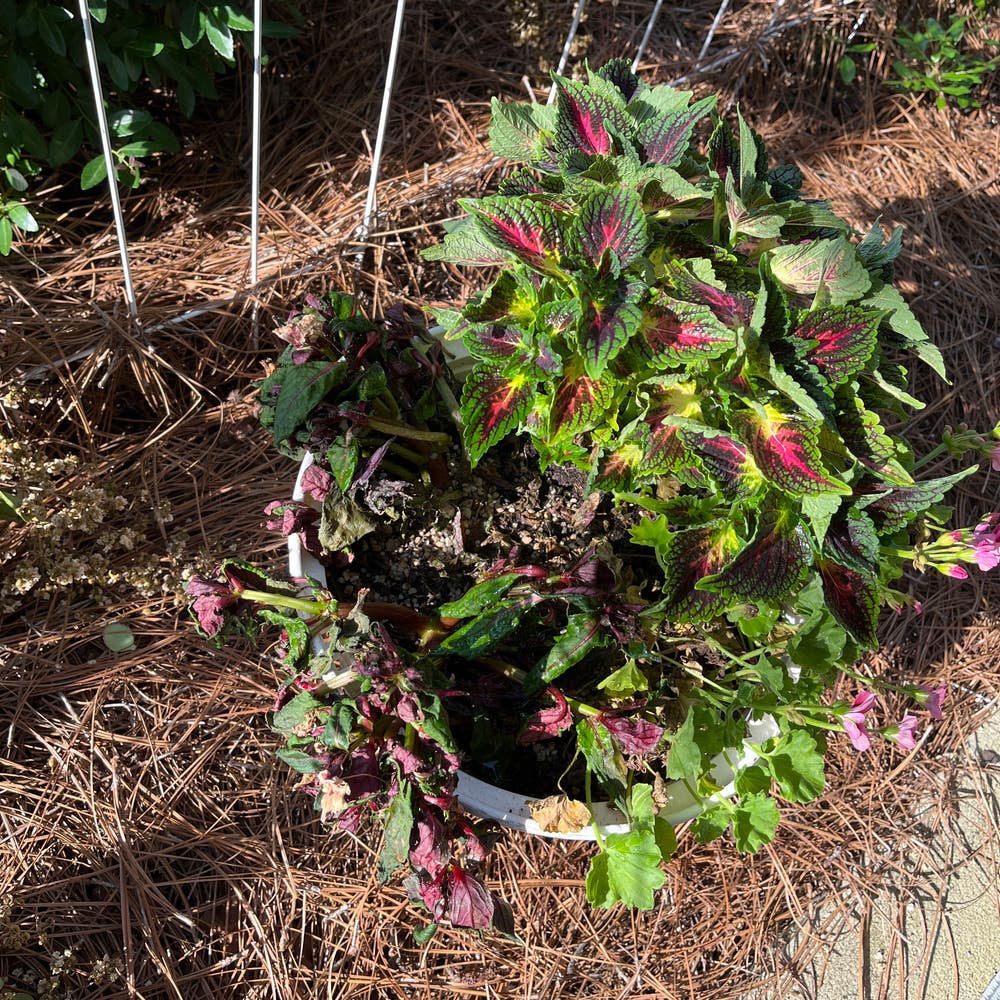
Over-fertilization is the silent killer in the garden. Your Poor Man's Rhododendron might be screaming for help with symptoms like leaf burn or halted growth. A crusty white buildup on the soil's surface is another telltale sign; it's the residue of excess fertilizer salts. If you spot these, it's time to act fast.
Soil and Environmental Tweaks
🌱 Adjusting your game plan based on soil pH and local weather patterns
Soil pH is not just a number; it's a lifeline for your plants. Straying too far from the ideal acidity can lock out essential nutrients, leaving your Poor Man's Rhododendron malnourished. Use a soil test kit to stay in the know and adjust with sulfur or lime as needed—but go easy, it's not a race to the extremes.
Local weather patterns also play a role. If you're getting more rain than a British summer, hold back on the watering can. Overly damp soil is a no-go. And remember, the goal is moist, not soggy—think of it as the soil's comfort zone. Keep these factors in check, and you'll be on your way to a balanced, blooming success.
⚠️ Safety First
This content is for general information and may contain errors, omissions, or outdated details. It is not medical, veterinary advice, or an endorsement of therapeutic claims.
Always consult a qualified healthcare professional before using any plant as food, medicine, or supplement.
Never eat any plant (or feed one to pets) without confirming its identity with at least two trusted sources.
If you suspect poisoning, call Poison Control (800) 222-1222, the Pet Poison Helpline (800) 213-6680, or your local emergency service immediately.
Spotted an error? Please report it here.
Nurture your Poor Man's Rhododendron to vibrant health 🌿 with Greg's custom reminders for balanced feeding, making fertilization as simple as enjoying the blooms.