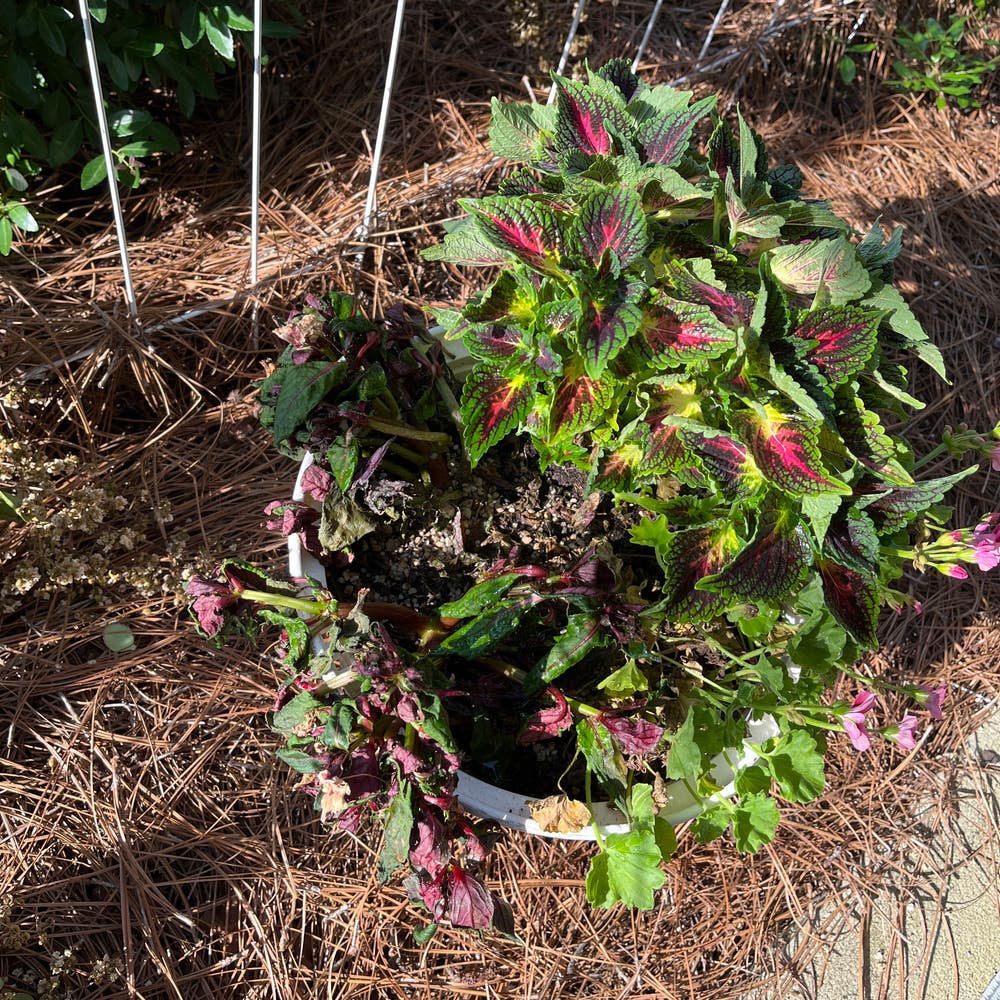
How Can You Tell If A Poor Man's Rhododendron Is Dying?
Impatiens sodenii
By the Greg Editorial Team
Feb 29, 2024•3 min read
This article was created with the help of AI so we can cover more plants for you. May contain errors. See one? Report it here.
- Wilting, discoloration, stunted growth signal a dying Poor Man's Rhododendron.
- Adjust watering, light, and temperature to address plant distress.
- Combat pests and fungal issues with targeted treatments and airflow.
Spot the Distress Signals
🥀 Wilting and Discoloration
When leaves droop like they've given up, it's time to perk up and take notice. Yellowing or browning foliage isn't a plant's choice for a new aesthetic; it's a cry for help.
- Quick fixes: Start by probing the soil moisture. Adjust your watering habits to match the plant's demands, not your schedule.
🌱 Stunted Growth or Poor Flowering
If your Poor Man's Rhododendron is putting on a lackluster performance, with stunted growth or a disappointing flower show, it's signaling distress.
- Quick fixes: Check if it's basking in proper light and sitting comfortably within its preferred temperature range. Adjust accordingly and watch it come back to life.
Water Woes: Too Much or Too Little
💦 Over-watering Hazards
Spotting the Signs
Yellow leaves and a musty soil scent are your plant's way of waving a white flag. If the roots are as soft as overripe fruit, it's an SOS for root rot.
Turnaround Tactics
Cut back on the H2O and let the soil go from swamp to semi-arid. Improve drainage by mixing in some gritty friends like perlite or sand. Adjust your watering to when the top inch of soil feels like a day-old sponge—damp but not dripping.
🏜️ The Under-watering Problem
Spotting the Signs
Leaves that snap like twigs and soil as dry as a desert spell out 'thirsty'. If your plant's drooping like it's carrying the weight of the world, it's time for a drink.
Turnaround Tactics
Increase the watering frequency without turning your plant into an aquatic creature. Ensure water reaches deep by giving a thorough soak. Before you pour, do the finger test; the soil should whisper dry, not scream it.
Battling Pests and Diseases
🐛 Pests Invasion
Visible bugs, leaf damage, and webbing are distress signals that your Poor Man's Rhododendron is under siege by pests. To combat these invaders, identification is crucial. Once you've named your nemesis, targeted treatments like insecticidal soaps or neem oil can be deployed. Introducing natural predators, such as ladybugs, can also turn the tide in your favor.
🍄 Fungal Foes
Fuzzy growths on leaves and moldy soil are the hallmarks of a fungal attack. Airflow is your first line of defense; it disrupts the still, humid conditions fungi thrive in. If the fungal presence persists, consider a fungicide, but always opt for the eco-friendly options and follow the label instructions carefully. Remember, prevention is paramount—keep those leaves dry and the air moving.
Environmental Stressors
💡 Light Struggles
Poor Man's Rhododendron stretching out like it's prepping for a marathon? Leggy growth and pale leaves are your plant's billboard for more light. But hold the sunburn; direct sunlight can turn leaves into crispy critters.
- Spotting the signs: Leggy growth, pale leaves.
- Turnaround tactics: Find a brighter spot, avoid direct sun, consider grow lights for consistent exposure.
🌡️ Temperature Tumult
If your plant's leaves are curling up more than a hedgehog in danger, temperature might be the troublemaker. Leaf curling and wilting are your plant's way of saying it's either too hot under the collar or shivering in its pot.
- Spotting the signs: Leaf curling, wilting.
- Turnaround tactics: Keep the indoor climate as stable as a rock, shield from drafts, and maybe throw in a pebble tray for humidity's sake.
⚠️ Safety First
This content is for general information and may contain errors, omissions, or outdated details. It is not medical, veterinary advice, or an endorsement of therapeutic claims.
Always consult a qualified healthcare professional before using any plant as food, medicine, or supplement.
Never eat any plant (or feed one to pets) without confirming its identity with at least two trusted sources.
If you suspect poisoning, call Poison Control (800) 222-1222, the Pet Poison Helpline (800) 213-6680, or your local emergency service immediately.
Spotted an error? Please report it here.
Nurse your wilting Poor Man's Rhododendron back to health by catching distress signals early 🍂 with Greg's custom care reminders and pest control tips.