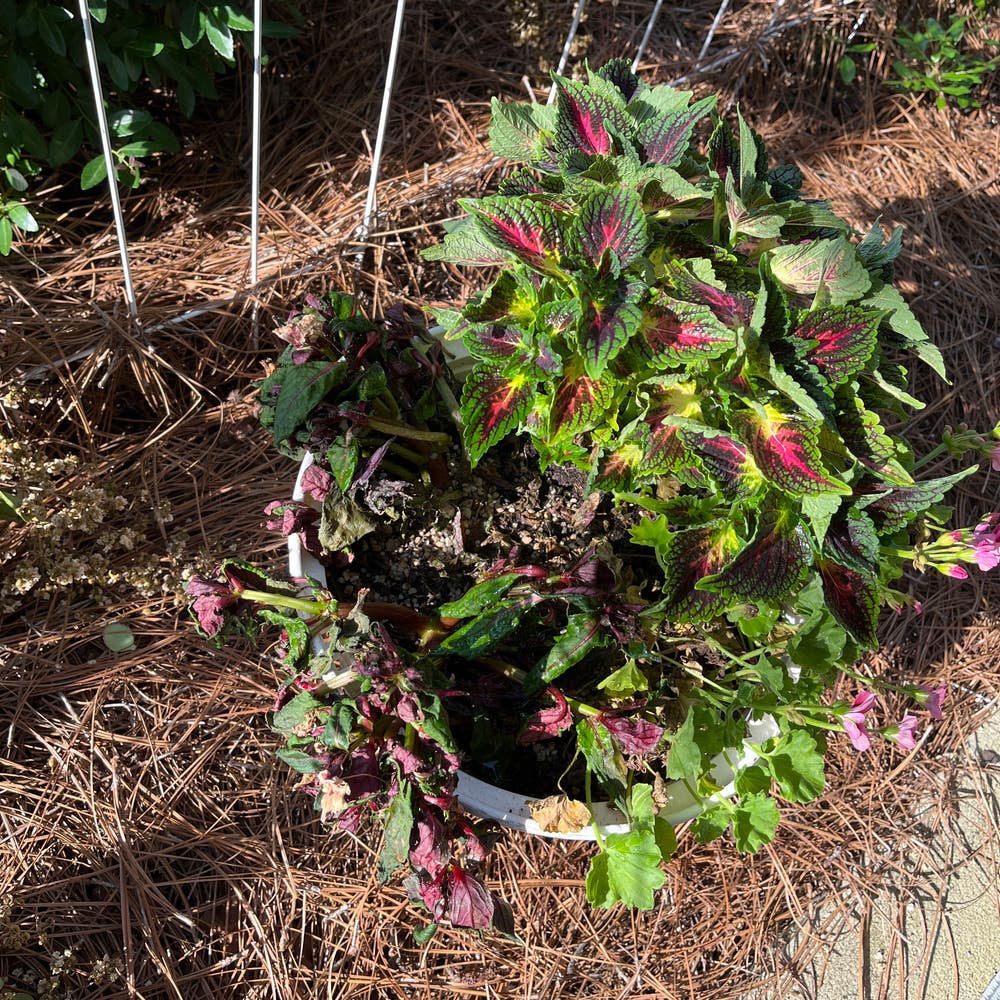
Why Are My Poor Man's Rhododendron Leaves Mushy?
Impatiens sodenii
By the Greg Editorial Team
Feb 29, 2024•4 min read
This article was created with the help of AI so we can cover more plants for you. May contain errors. See one? Report it here.
- Mushy leaves signal distress, often from overwatering or disease.
- 🌱 Firm leaves good, sponge-like bad: Check soil moisture to prevent mush.
- Combat mush with drainage and cleanliness, using fungicides as needed.
Spotting the Trouble: Signs Your Plant's Leaves Are Too Mushy
🍄 Visual Cues: The Look of Mush
Mushy leaves on your Poor Man's Rhododendron scream trouble. Discoloration is your first visual clue; leaves turning from vibrant green to a sickly yellow or brown are a plant's distress signal. If they resemble overcooked vegetables, it's a red flag. Leaves should be firm and resilient, not limp and lifeless.
🖐️ Touch and Tell: The Feel of a Healthy vs. Mushy Leaf
Get hands-on with your plant. A healthy leaf will have a snap-back quality, much like a crisp salad green. If it yields like a sponge, you've hit mushy territory. Leaves collapsing under your fingers are a clear cry for help.
🚨 When to Worry: Normal Moisture vs. Excess
It's normal for leaves to have some moisture, but excess is a no-go. If the leaves feel like a wet sponge or overripe fruit, it's time to intervene. A pot that feels like a brick days after watering is a sign of overwatering. Trust your nose too; a musty smell can indicate root rot, which is often accompanied by mushy leaves.
The Usual Suspects: Common Causes of Mushiness
💦 Overwatering Woes
Too much love in liquid form can lead to the soggy demise of your Poor Man's Rhododendron. The aftermath is not pretty: leaves that feel like they've given up on life and soil that's more swamp than substrate.
A simple finger test can be a lifesaver. If the soil sticks to your finger like a needy mud pie, it's a clear signal to put the watering can down. Your plant's roots need to breathe, not swim.
🍄 Fungal Foes
Fungi are the party crashers in this mushy leaf saga. They're stealthy, destructive, and all too happy to feast on overwatered, neglected leaves.
Discoloration and texture changes are the red flags you need to watch for. If your plant's leaves are starting to look like they've been through a botched steam bath, it's time to take action against these fungal invaders.
🚰 Drainage Disasters
Sometimes, the pot itself is a trap, turning your plant's home into a miniature swimming pool. If water has nowhere to go, roots become aquatic prisoners, and mushy leaves are the inevitable outcome.
A soil check is in order if your plant's pot feels heavier than your last grocery bag. The right mix should drain freely, not cling desperately to every drop of water.
Turning the Tide: How to Fix and Prevent Mushy Leaves
💧 Fine-Tuning Your Watering Technique
Watering is not a set-it-and-forget-it game. Check the soil before you water—only when it's dry. Ditch the calendar; your plant doesn't care what day it is. Use a moisture meter to take the guesswork out of your watering schedule. It's like having X-ray vision for soil dampness.
🛠 Moisture Meters and Other Tools
Invest in a long-spout watering can to target the roots directly. Wet leaves are a no-go; they're just asking for trouble. Keep the foliage dry to avoid turning your plant into a fungal frat party.
🍄 Fighting the Fungus Among Us
When fungi gatecrash, show them the door with a fungicide. But don't go wild—use as directed, or you're just adding chemicals to your problems. Sterilize your tools post-pruning to stop the spread of plant pathogens.
🧹 Cleanliness is Key
Keep your plant's environment tidy. Remove fallen leaves and debris promptly. It's like not letting dirty dishes pile up in the sink—a clean space is a happy space.
🚰 Mastering the Art of Drainage
Ensure your pot has drainage holes; it's as basic as a plant needing light. Elevate your pot with feet or aeration materials to promote airflow. It's like giving your plant's roots a breath of fresh air.
🌱 The Perfect Potting Mix
Mix peat, perlite, and pine bark for a well-draining soil concoction. It's the triple-P mix that lets roots breathe and prevents them from taking a swim every time you water.
⚠️ Safety First
This content is for general information and may contain errors, omissions, or outdated details. It is not medical, veterinary advice, or an endorsement of therapeutic claims.
Always consult a qualified healthcare professional before using any plant as food, medicine, or supplement.
Never eat any plant (or feed one to pets) without confirming its identity with at least two trusted sources.
If you suspect poisoning, call Poison Control (800) 222-1222, the Pet Poison Helpline (800) 213-6680, or your local emergency service immediately.
Spotted an error? Please report it here.
Avoid the dreaded mushy leaves 🍂 on your Poor Man's Rhododendron with Greg's custom watering reminders and soil moisture tracking for perfect hydration every time!