What Temperature Does My Poor Man's Rhododendron Need?
Impatiens sodenii
By the Greg Editorial Team
Feb 29, 2024•3 min read
This article was created with the help of AI so we can cover more plants for you. May contain errors. See one? Report it here.
- 65°F to 75°F is ideal for Poor Man's Rhododendron health and blooms.
- 🌡️ Watch for wilting or browning as early signs of temperature stress.
- Stabilize environment with thermometers, hygrometers, and strategic plant placement.
Dialing in the Perfect Temperature
🌡️ The Goldilocks Zone for Poor Man's Rhododendron
65°F to 75°F – that's the sweet spot for your Poor Man's Rhododendron. Within this range, you're setting the stage for those envy-inducing blooms. Just like you wouldn't wear a parka to the beach, your plant doesn't want to bake or shiver. Keep it comfy.
When Things Get Too Hot or Too Cold
When the mercury climbs above 75°F, your plant starts to stress. Leaves may wilt, signaling it's time to dial back the heat. Conversely, dip below 65°F, and you'll see a sluggish plant, with growth as slow as a snail in molasses. It's not just about survival; it's about thriving.
Spotting Trouble: Recognizing Temperature Stress
🌡️ Early Warning Signs
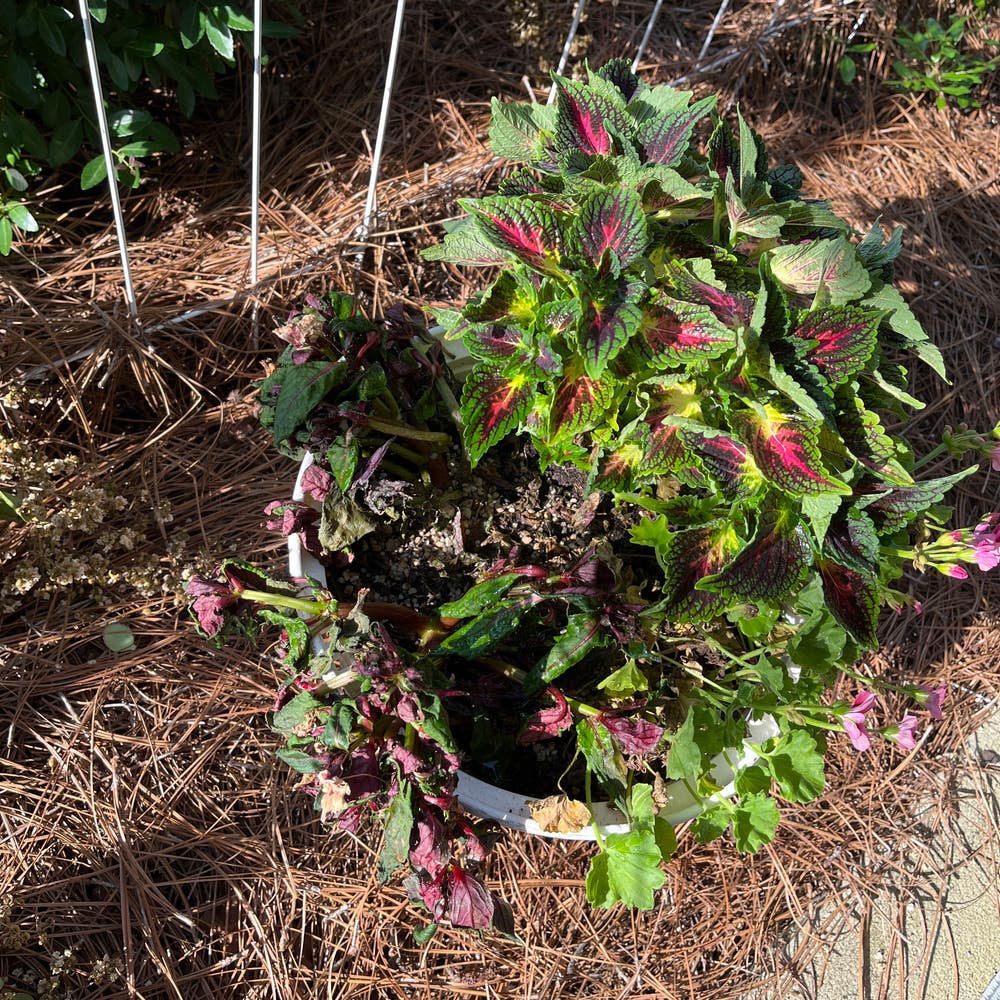
Wilting leaves are the first red flag of temperature stress in your Poor Man's Rhododendron. If you notice leaves curling or browning at the edges, it's time to reassess the plant's environment. A decline in flowering or blooms dropping prematurely are also signs that your plant is not in its ideal temperature range.
🚨 Advanced Symptoms: When Immediate Action is Needed
When Poor Man's Rhododendron leaves start to look like they've been through a rough patch, with black spots or puffiness, it's a clear signal that temperature stress is advancing. Leaf drop, severe wilting, and discoloration are urgent cries for help. These symptoms can escalate quickly, so prompt action is necessary to prevent further damage.
Keeping the Chill and Heat at Bay
🌡️ Common Culprits of Temperature Fluctuations
Drafts are the silent assassins of stable temperatures. Your Poor Man's Rhododendron might as well be on a rollercoaster if it's near frequently opened windows or doors. Heat sources like radiators or air conditioning units can turn a cozy corner into a temperature torture chamber. And let's not forget those appliances that love to sneak in some extra heat, like stoves and electronics.
💡 Pro Tips for Stabilizing Your Plant's Environment
To avoid turning your plant's life into a temperature-based soap opera, monitor the thermometer like it owes you money. Relocate your green buddy away from those drafty windows and deceptive heat sources. When the seasons throw curveballs, be ready to catch and adapt—move plants to less exposed areas or provide some shade during a heatwave. And remember, technology is your friend—thermostats and hygrometers are the secret agents in your quest for the perfect climate.
A Quick Nod to Humidity
💃 Understanding the Humidity-Temperature Tango
Humidity is the sidekick to temperature in the realm of Poor Man's Rhododendron care. It's about striking a balance; too much moisture can lead to fungal issues, while too little can cause the leaves to crisp up like overdone toast.
🦅 The Hygrometer: Your Humidity Hawk-Eye
Keep a hygrometer close. This gadget is your eyes on the invisible, letting you track humidity levels without breaking a sweat. No more guesswork, just the hard data you need to keep your plant's environment stable.
🌦 Seasonal Swings and Plant Woes
As seasons shift, so does the humidity in your home. Your Poor Man's Rhododendron doesn't care if it's summer or winter; it just wants that Goldilocks zone of moisture year-round.
🛠 Quick Fixes for Humidity Control
If you're dealing with air drier than a comedian's wit, a humidifier or a pebble tray might be your go-to. Conversely, if your space feels like a swamp, it's time to promote air circulation or dehumidify. Remember, your plant's not asking for a rainforest or a desert—just a sip of the tropics.
⚠️ Safety First
This content is for general information and may contain errors, omissions, or outdated details. It is not medical, veterinary advice, or an endorsement of therapeutic claims.
Always consult a qualified healthcare professional before using any plant as food, medicine, or supplement.
Never eat any plant (or feed one to pets) without confirming its identity with at least two trusted sources.
If you suspect poisoning, call Poison Control (800) 222-1222, the Pet Poison Helpline (800) 213-6680, or your local emergency service immediately.
Spotted an error? Please report it here.
Ensure your Poor Man's Rhododendron thrives 🌡 with Greg's custom alerts for optimal temperature and humidity, keeping your plant happy and healthy year-round.