Black Spots on My Poor Man's Rhododendron Leaves
Impatiens sodenii
By the Greg Editorial Team
Feb 29, 2024•4 min read
This article was created with the help of AI so we can cover more plants for you. May contain errors. See one? Report it here.
- Black spots signal trouble, not natural leaf patterns.
- Fungi and bacteria are the main causes; environment matters.
- Prevent with hygiene, sunlight, airflow, and careful treatment application.
Spotting the Culprit: Identifying Black Spots
🕵️ What Do Black Spots Look Like?
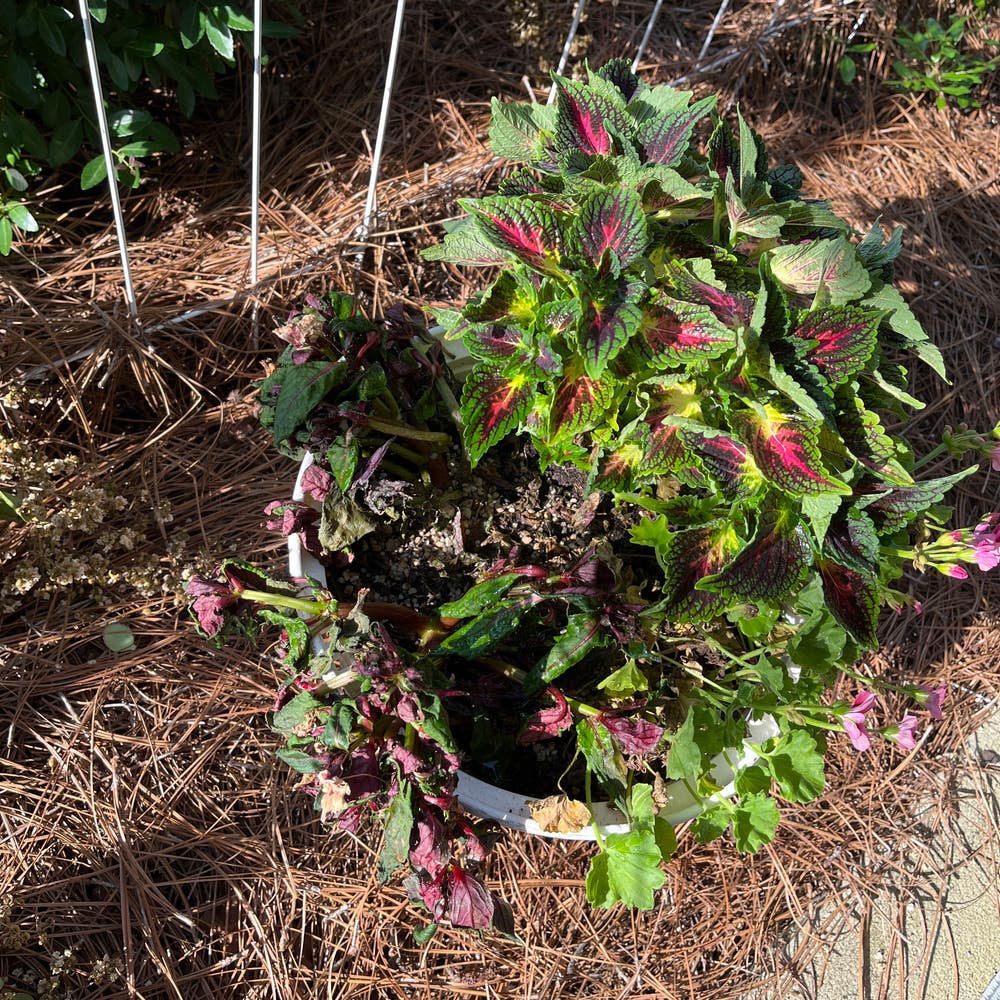
Black spots on Poor Man's Rhododendron leaves are not your garden's version of freckles. They're small, dark, and often less than ⅛ inch across. Uniformity is out the window here; these spots can be as random as a rain shower in July. They might start as tiny specks, but without intervention, they'll expand faster than your waistline at Thanksgiving.
🎨 Black Spots vs. Other Leaf Discolorations
Not all leaf blemishes are a sign of the apocalypse. Natural variegation can fool you into thinking there's a problem when there isn't. But true black spots? They're the uninvited guests that overstay their welcome. They often bring along yellowing leaves, a surefire sign that something's amiss. And if you see spots with dark margins or concentric rings, it's time to sound the alarm.
🚨 Extra Symptoms That Scream "Black Spots!"
If your plant's leaves are throwing up more red flags than a bullfighter, pay attention. Texture and pattern are your clues. Fungal infections might give spots a raised or feathery look, while bacterial spots can feel as slimy as a politician's handshake. And remember, these party crashers love to start their shenanigans on the undersides of leaves. So flip those leaves over and get to inspecting—your plant's life may depend on it.
Unearthing the Causes: Why Black Spots Happen
🍄 Fungal Foes: The Usual Suspects Causing Black Spots
Fungi are the party crashers in the world of Poor Man's Rhododendron. They thrive in moist conditions—think high humidity or the aftermath of a watering spree. Look for spots with a powdery residue or a halo, the fungi's calling card. Overwatering is like sending them a VIP invite, and they RSVP with black spots.
🦠 Bacterial Baddies: When Bacteria Crash the Party
Bacteria are the stealth artists, slipping in through the tiniest of wounds. They're less showy than fungi but no less destructive, leaving behind water-soaked spots or a slimy texture. If you catch a whiff of something foul, that's bacteria announcing their presence.
🌿 Environmental Enablers: How Your Garden Setup Might Help the Spread
Your garden setup can roll out the red carpet for these pathogens. Poor air circulation and a lack of sunlight are like throwing a house party for black spots. And let's not forget unclean tools—they're like the friend who brings uninvited guests, spreading bacteria from one plant to another.
Battling Black Spots: Treatment Tactics
🍄 Fungicide to the Rescue
When black spots invade, it's fungicide time. Protectant fungicides are your preemptive strike, laying down a barrier before the spores even land. If the infection's already partying, bring out the systemic fungicides—they work from the inside, halting the spread. But remember, it's not a free-for-all; follow the label like it's the law of the land.
🦠 Bactericide Backup
If bacteria are your culprits, bactericides step up. Copper compounds are old reliable, but don't get trigger-happy. Use them with the precision of a sniper—too much, and you risk breeding superbugs. It's about smart strikes, not chemical warfare.
🎨 Application Know-How
Applying treatments? Think artist, not house painter. Aim for even coverage, top to bottom, like you're applying a protective coat. And mix it up—rotate your fungicides to keep the pathogens on their toes and resistance down. Overuse is your enemy; it's like blasting a mosquito with a cannon. Use just enough to get the job done.
Keeping Black Spots at Bay: Prevention Strategies
💧 Water Wisely
Avoid splashing the leaves when watering your Poor Man's Rhododendron. It's like avoiding puddles in new sneakers; you keep things dry to prevent problems. Water at the base of the plant to quench the roots without wetting the foliage.
✂️ Clean Cuts
Pruning isn't just about aesthetics; it's a strategic move against black spots. Sterilize your tools before and after each cut—think of it as basic plant hygiene. Remove any fallen leaves promptly, as they're an open invitation for pathogens to party.
🌬️ Breezy Business
Ensure your plant enjoys plenty of sunlight and airflow. It's like giving your plant its own personal space to thrive. Prune strategically to avoid overcrowding, allowing each leaf its moment in the sun and a breath of fresh air.
⚠️ Safety First
This content is for general information and may contain errors, omissions, or outdated details. It is not medical, veterinary advice, or an endorsement of therapeutic claims.
Always consult a qualified healthcare professional before using any plant as food, medicine, or supplement.
Never eat any plant (or feed one to pets) without confirming its identity with at least two trusted sources.
If you suspect poisoning, call Poison Control (800) 222-1222, the Pet Poison Helpline (800) 213-6680, or your local emergency service immediately.
Spotted an error? Please report it here.
Prevent black spots on your Poor Man's Rhododendron by letting Greg orchestrate 🎼 your plant care routine with tailored advice for a healthier, happier plant.