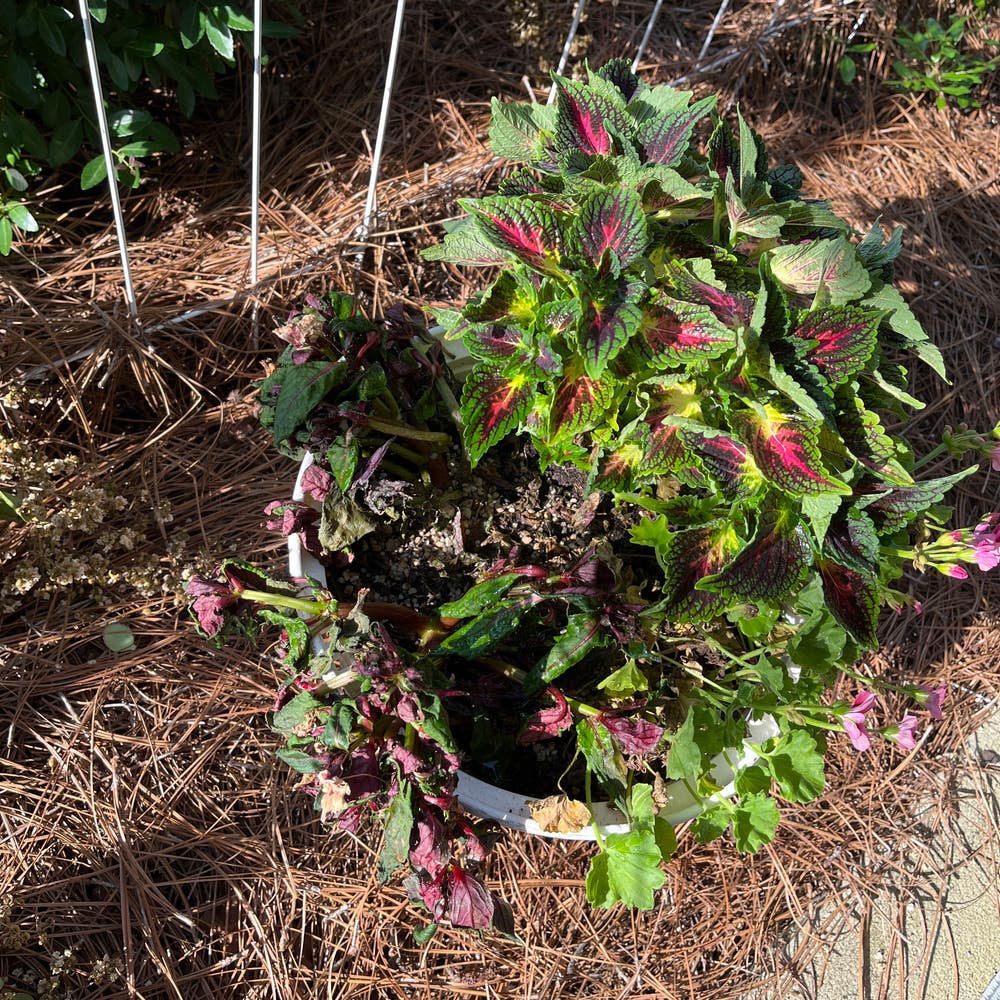
Why Are My Poor Man's Rhododendron Leaves Turning Yellow?
Impatiens sodenii
By the Greg Editorial Team
Feb 29, 2024•4 min read
This article was created with the help of AI so we can cover more plants for you. May contain errors. See one? Report it here.
- Overwatering suffocates roots, leading to yellow leaves. Check soil dryness.
- 🌱 Soil pH and nutrients matter: Adjust for nitrogen, iron, and magnesium deficiencies.
- Consistent care prevents yellowing: Regular checks and stable environment are key.
Pinpointing the Culprits Behind Yellow Leaves
💦 Overwatering and Root Health
Overwatering is like a love that smothers. Your plant's roots can't breathe underwater, and yellow leaves are their white flag. Root health is compromised when the soil feels like a wet sponge.
🌱 Soil and pH: Getting the Balance Right
Soil quality is non-negotiable. Poor soil equals sad, yellow leaves. Adjusting pH levels can be the game-changer your plant needs. Aim for a pH sweet spot between 6.0 and 7.0 to prevent yellowing.
🌞 Light and Temperature: Finding the Sweet Spot
The right amount of light and warmth is critical. Too much sun and your plant's leaves will throw a yellow tantrum. Too little, and they'll sulk in a pale shade. Find that Goldilocks zone of indirect sunlight to keep your plant stress-free.
Feeding Your Plant: Nutrient Deficiencies and Fixes
💪 The Usual Suspects: Nitrogen, Iron, and Magnesium
Yellow leaves got you down? Nutrient deficiencies might be the party poopers. Let's zero in on the usual suspects: Nitrogen, Iron, and Magnesium.
Nitrogen (N)
Nitrogen is like the plant's personal trainer, essential for growth and that lush green look. If your plant's leaves are more yellow than a school bus, especially the older ones, it's screaming for N. Slowpoke growth? Another red flag.
Iron (Fe)
Iron deficiency is the sneakier kind, hitting the new growth first. Leaves with green veins on a yellow background? Iron is the missing piece. It's like your plant is trying to stay green but just can't hack it without its iron fix.
Magnesium (Mg)
Magnesium is the behind-the-scenes maestro of chlorophyll production. Got leaves with yellowing between the veins? It's a classic sign of an Mg shortfall.
How to Supplement Your Plant's Diet Effectively
For Nitrogen:
- Organic options: Compost or manure can give a slow, steady supply.
- Quick fix: Liquid plant food rich in nitrogen does wonders for acute cases.
For Iron:
- Immediate relief: Spray those sad leaves with diluted ferrous sulfate.
- Long-term care: Iron chelate compounds are your go-to for sustained iron levels.
For Magnesium:
- Instant impact: Epsom salts are your emergency response team for Mg.
- Ongoing support: Add dolomite to the soil for a more prolonged Mg boost.
Remember, overfeeding is just as bad as starving your plant. Always follow the instructions on the fertilizer package to avoid burning your green buddy. Keep an eye out for those brighter green leaves and new growth – they're the high-fives from your plant, thanking you for the nutritional love.
Turning Over a New Leaf: Remedial Actions
💧 Watering Wisdom: Quenching Thirst the Right Way
Overwatering is a common blunder, akin to drowning your plant in affection. To prevent this, only water when the top inch of soil feels dry. Ensure your pot has adequate drainage to avoid soggy soil syndrome.
🌱 Soil and Sunlight: Restoring Balance
Adjusting soil composition is crucial. Mix in materials like perlite for better drainage. As for sunlight, your Poor Man's Rhododendron craves indirect light; too much sun can bleach leaves, while too little leaves them longing for more. Strike the right balance.
🌿 Nutrient Know-How: Reviving Your Green's Glow
Nutrient deficiencies can turn leaves yellow. A balanced, water-soluble fertilizer is your go-to fix. But remember, it's like seasoning food—too much can overwhelm. Moderation is your mantra here.
Keeping the Green: Preventive Practices
🛡️ Consistency is Key: Routine Care Check-Up
Regular care is the backbone of plant health. Think of it as the dental hygiene of horticulture; skip it, and you'll soon see the equivalent of plant cavities. Dust off those leaves, adjust watering with the seasons, and keep an eye out for any distress signals your plant might be sending.
🌿 Crafting the Perfect Environment
Creating the right environment is like setting the stage for a blockbuster—get it wrong, and the whole show flops. Light and temperature should be as stable as your favorite sitcom rerun. No dramatic fluctuations—just a steady stream of "just right." Consider a pebble tray or humidifier to keep the humidity on point, like a barista's perfect foam on your morning latte. Keep the growing space clean; it's not just about aesthetics, it's about health. Dirty tools and pots are like a five-star resort for pests and diseases.
⚠️ Safety First
This content is for general information and may contain errors, omissions, or outdated details. It is not medical, veterinary advice, or an endorsement of therapeutic claims.
Always consult a qualified healthcare professional before using any plant as food, medicine, or supplement.
Never eat any plant (or feed one to pets) without confirming its identity with at least two trusted sources.
If you suspect poisoning, call Poison Control (800) 222-1222, the Pet Poison Helpline (800) 213-6680, or your local emergency service immediately.
Spotted an error? Please report it here.
Keep your Poor Man's Rhododendron vibrant 🍃 with Greg's custom reminders for watering and nutrient balance, ensuring yellow leaves are a thing of the past!