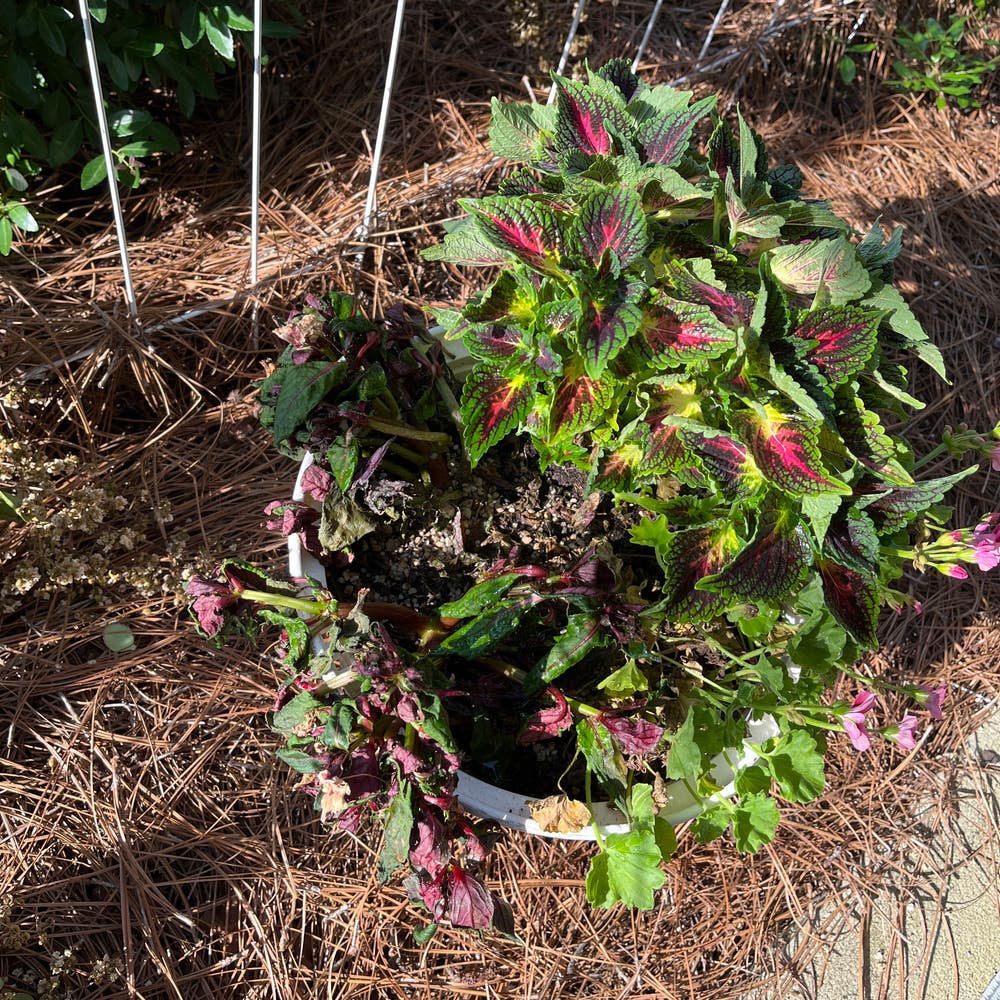
Why Are There Brown Spots on My Poor Man's Rhododendron? 🤒
Impatiens sodenii
By the Greg Editorial Team
Feb 29, 2024•4 min read
This article was created with the help of AI so we can cover more plants for you. May contain errors. See one? Report it here.
- Fungal, bacterial, or stress cause brown spots on Poor Man's Rhododendron.
- Proper drainage and airflow prevent fungal and bacterial spots.
- Regular care and inspections keep your plant spot-free and healthy.
Spotting the Trouble: Brown Spots Unveiled
🕵️ What Brown Spots Look Like
Brown spots on your Poor Man's Rhododendron can range from tiny specks to large patches. They may appear crispy or have a slimy texture, signaling different issues. The spots could have sharp or blurred edges, and their appearance might be consistent across the plant or isolated, which helps determine the severity.
🦠 The Usual Suspects
The main culprits behind these blemishes are often fungal infections, bacterial diseases, or environmental stress. Fungal spots may be surrounded by yellow halos, while bacterial spots can look like water-soaked lesions. Environmental factors, like too much sun or improper watering, can also cause leaves to develop brown spots.
The Root of the Problem: Pinning Down the Cause
🍄 Fungal Foes
Fungi love a good shindig in moist conditions, turning your Poor Man's Rhododendron into a hotspot for brown spots. These spots often have concentric rings or a yellow halo, signaling it's time to crash their party. Overwatering and poor drainage are like sending fungi a VIP invite, so keep the soil drainage sharp and the watering in check.
🦠 Bacterial Baddies
Bacteria are the stealthy invaders of the plant world, often leaving behind water-soaked lesions with a distinctive edge. They thrive in the high humidity of a plant's personal sauna, spreading their chaos through touch or water droplets. If you see a spot encircled by a red or yellow border, it's time to suspect these microscopic trespassers.
🌿 When the Environment Strikes
Sometimes, it's not a living organism but the environment that's the culprit. Too much sun can give your plant the equivalent of a sunburn, while drought is like giving it the silent treatment—both result in those dreaded brown spots. Keep an eye on light exposure and water regularly, but not excessively, to prevent environmental tantrums on your leaves.
The Battle Plan: Treating Brown Spots
🍄 Fungus Among Us: Getting Rid of Fungal Infections
Fungal infections are stealthy invaders of your Poor Man's Rhododendron, leaving brown spots as their telltale sign. To combat these, start with a natural fungicide like neem oil, which is both plant-friendly and effective against a variety of fungal foes. If the infection persists, it's time to consider a chemical fungicide. Apply it with the precision of a master painter, ensuring every part of the leaf is covered. Always follow the label's instructions as if your plant's life depends on it—because it does.
🧫 Bacteria Be Gone: Tackling Bacterial Diseases
Bacterial diseases require a swift response. Copper-based fungicides are your go-to here, acting like antibiotics for your plant. Before you start, isolate the affected plant to prevent the spread. Then, with sterilized tools, prune away the damaged leaves. Remember to clean your tools after each cut—think of it as surgical hygiene for plants.
Environmental Adjustments
Your plant's environment can be a breeding ground for brown spots. Ensure good airflow and avoid overwatering to make the conditions less hospitable for pathogens. If brown spots appear, act fast and adjust the humidity and watering schedule. It's like tweaking the thermostat to keep your guests comfortable—only your guests are your plants, and they prefer a dry, breezy climate.
Keeping the Spots at Bay: Prevention Tactics
🌱 Cultural Practices
Implementing care routines is crucial for shielding your Poor Man's Rhododendron from brown spots.
🌿 Balanced Feeding
Feed your plant with a balanced fertilizer; overfeeding can weaken it, making it more susceptible to disease.
✂️ Pruning
Regular pruning is non-negotiable. It improves airflow and removes potential disease hotspots.
🕵️ Monitoring and Maintenance
Vigilant check-ups and cleanliness are your best defense in keeping those leaves pristine.
👀 Regular Inspections
Inspect your plant like it's a part of your daily routine. Catching issues early is key.
🌞 Environmental Control
Ensure the environment is just right—bright, indirect light and consistent humidity levels are ideal.
🛡️ Quarantine New Plants
New additions should be isolated until you're certain they're disease-free.
💧 Watering Techniques
Water wisely. Aim for moist soil, akin to a sponge that's been wrung out, not drenched.
🧹 Cleanliness
Keep the plant's area tidy. Remove fallen leaves promptly to prevent fungal spore spread.
🛠️ Sterilize Tools
Always use clean tools. Dirty pruning shears are a recipe for spreading disease.
By integrating these practices into your routine, you create a fortress against brown spots, ensuring your Poor Man's Rhododendron remains robust and beautiful.
⚠️ Safety First
This content is for general information and may contain errors, omissions, or outdated details. It is not medical, veterinary advice, or an endorsement of therapeutic claims.
Always consult a qualified healthcare professional before using any plant as food, medicine, or supplement.
Never eat any plant (or feed one to pets) without confirming its identity with at least two trusted sources.
If you suspect poisoning, call Poison Control (800) 222-1222, the Pet Poison Helpline (800) 213-6680, or your local emergency service immediately.
Spotted an error? Please report it here.
Keep your Poor Man's Rhododendron spot-free 🌿 with Greg's tailored watering and care reminders, ensuring you tackle environmental and disease challenges with ease.