💧 How Much Should I Water My Poor Man's Rhododendron?
Impatiens sodenii
By the Greg Editorial Team
Feb 29, 2024•3 min read
This article was created with the help of AI so we can cover more plants for you. May contain errors. See one? Report it here.
- Check soil moisture to know when to water your rhododendron.
- Seasons and weather dictate your plant's watering schedule.
- Deep watering is key, but avoid overwatering to prevent root rot.
When to Water: Timing is Everything
💧 Spotting Thirsty Soil
Soil doesn't lie; it's the tell-all of plant hydration. To check if it's time to water, plunge a finger into the soil up to the second knuckle. Dry? Water. Moist? Wait.
🌦 Seasonal Watering Shifts
Seasons dictate plant thirst. In summer, your plant guzzles more, but winter calls for restraint. Adjust your watering to the rhythm of the weather.
🌿 Environmental Thirst Triggers
Your plant's watering needs are at the mercy of environmental factors. Light, humidity, and temperature swings mean you can't set your watch by your watering can. Stay attentive to your plant's needs, and water accordingly.
How to Water: Techniques for Hydration Success
💧 The Art of Deep Watering
Deep watering is not just about quantity; it's about reaching the roots. Your poor man's rhododendron craves a thorough soak that encourages roots to grow deep and strong. To achieve this, water slowly and steadily until you see excess water escape through the drainage holes. This method ensures the entire root zone gets the moisture it needs.
💦 Avoiding the Dreaded Drench
The goal is to maintain a moist, not saturated, soil environment. Overzealous watering can lead to a host of problems, including root rot. To avoid this, allow the top inch of soil to dry out before watering again. It's a delicate balance, but your plant will thank you for not leaving its feet wet.
Recognizing SOS Signs: Over and Underwatering Symptoms
🌊 The Overwatering Omen
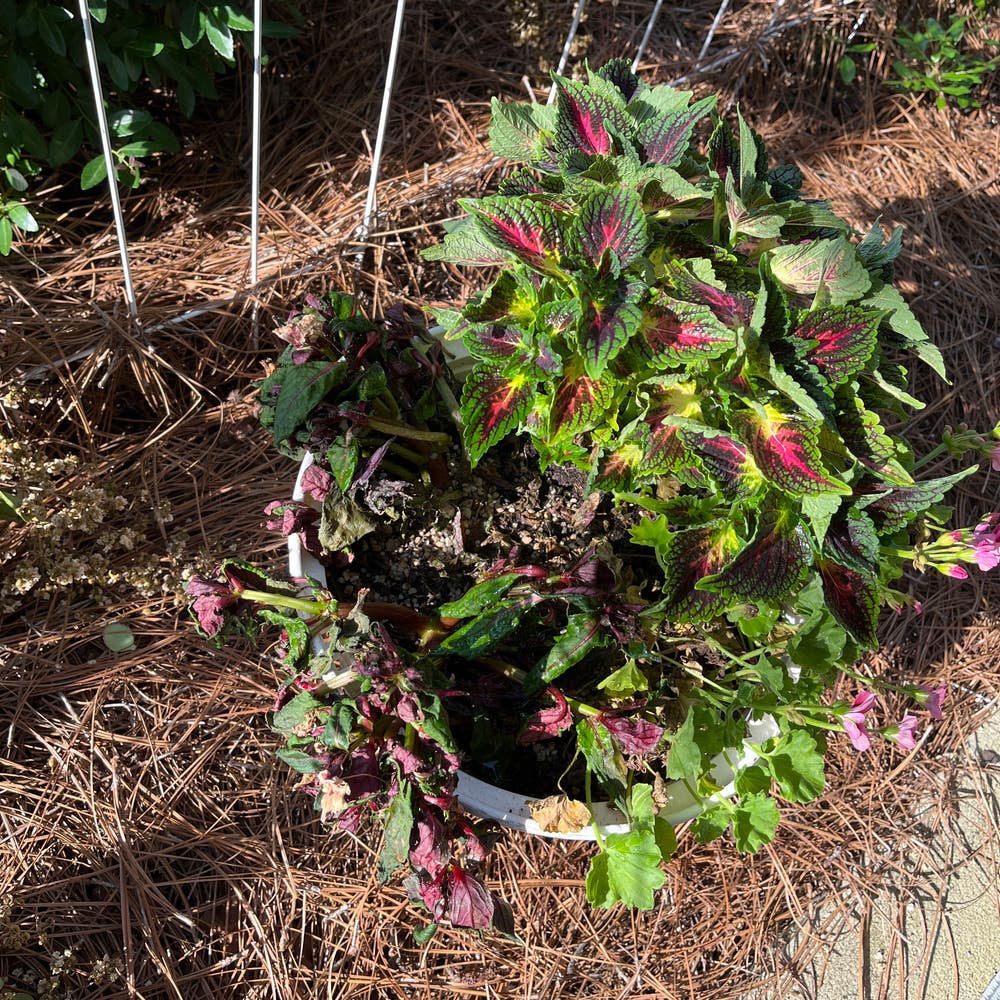
Yellowing leaves are the alarm bells of overwatering. If your poor man's rhododendron is shedding leaves like a dog in summer, it's time to dial back the H2O. A musty odor? That's the smell of regret—your plant's roots are probably throwing in the towel. Check the soil: if it squishes like a sponge, you've gone overboard. Mushy roots are a cry for an intervention; they need air, not an endless bath.
🏜️ The Underwatering Urgency
When your plant's leaves resemble potato chips, it's begging for a drink. Soil pulling away from the pot's edge is a silent scream for hydration. Poke your finger into the soil; if it's as dry as a stand-up comedian's wit, water is overdue. Leaves turning a lighter shade of green without wilting is a subtle hint; your plant is thirsty, not dramatic. Increase watering frequency, but remember, it's a marathon, not a sprint—steady beats win the race.
Watering Wisdom: Pro Tips and Tricks
💧 Pot and Soil Savvy
Choosing the right pot and soil for your poor man's rhododendron is like setting up a good foundation for a house. Drainage holes are non-negotiable; they prevent water from turning your plant's roots into a swampy mess. Go for a pot that's snug—not too big, as excess soil retains unnecessary moisture.
For soil, think "Goldilocks": not too dense, not too sandy, but just right. A mix that holds moisture yet drains well is the ticket. Consider a blend with perlite or sand to improve aeration and prevent waterlogging.
🏡 Indoor vs. Outdoor Watering Wonders
Indoor plants live in a controlled environment, but that doesn't mean they're maintenance-free. Light levels and humidity indoors can vary wildly from one room to another. Your watering routine should adapt accordingly.
Outdoor plants, on the other hand, are at the mercy of the elements. They might need a drink more often during a heatwave or a break during rainy spells. Observe and adjust—that's the mantra. And remember, self-watering pots can be a lifesaver for those who tend to under-water.
⚠️ Safety First
This content is for general information and may contain errors, omissions, or outdated details. It is not medical, veterinary advice, or an endorsement of therapeutic claims.
Always consult a qualified healthcare professional before using any plant as food, medicine, or supplement.
Never eat any plant (or feed one to pets) without confirming its identity with at least two trusted sources.
If you suspect poisoning, call Poison Control (800) 222-1222, the Pet Poison Helpline (800) 213-6680, or your local emergency service immediately.
Spotted an error? Please report it here.
Keep your Poor Man's Rhododendron perfectly hydrated 💧 with Greg's custom watering plan that considers your unique home environment, preventing over or under-watering.