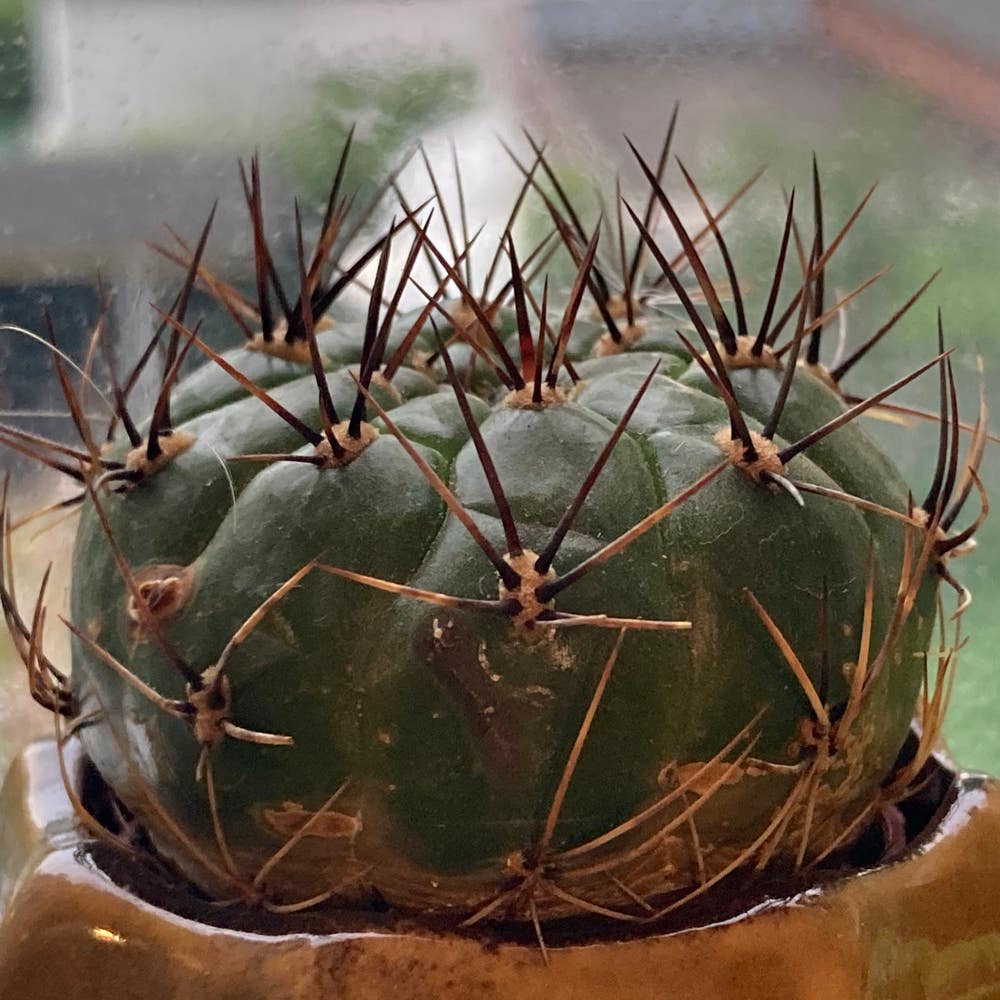
Propagating Matucana weberbaueri: The Ultimate Guide
Matucana weberbaueri
By the Greg Editorial Team
Jun 13, 2024•4 min read
This article was created with the help of AI so we can cover more plants for you. May contain errors. See one? Report it here.
- Choose healthy offsets with roots and use sterilized tools for separation.
- Germinate seeds in warm, humid conditions with fresh, viable seeds.
- Prevent issues with proper watering, temperature, and clean environment.
Getting Started with Offsets
🌵 Choosing Healthy Offsets
In the quest for robust offsets, size matters. Look for chunky, independent little cacti with their own roots, clinging to the mother plant like a teenager not quite ready to leave home. Health is key—choose offsets that are plump, free of blemishes, and pests. They're your best bet for a successful propagation.
🪚 The Separation Tango
🔪 Tools of the Trade
Grab a sterilized, sharp knife or scissors. This isn't a job for the rusty garden shears.
The Detachment
Gently wiggle the offset or use your tool for a clean cut. Aim for minimal damage, preserving roots like precious cargo. It's a delicate operation—think bomb defusal, but with cacti.
🌱 Rooting and Potting Offsets
🌿 Soil and Pot Selection
Mix or choose a well-draining soil, and pot your offset in a snug home with drainage holes to prevent waterlogged roots. Think of it as a studio apartment for your plant—cozy but not cramped.
The First Few Weeks
Nestle the offset into its new abode and offer indirect sunlight. Water sparingly, as if you're rationing water on a desert island. Overzealous hydration is the fast track to rot.
Vigilance is Key
Keep an eye out for pests and any signs of distress. Your offset is counting on you to make it through these formative days. It's like nurturing a piece of life—keep it light, keep it fun, and keep those fingers crossed for growth.
Sowing the Seeds of Success
🌱 Seed Collection and Preparation
Harvesting Matucana weberbaueri seeds is a delicate affair. Wait for the fruit to naturally split and reveal the seeds. Using tweezers, carefully remove them, ensuring minimal damage. Freshness matters; use seeds as soon as possible to maintain high germination rates. Before sowing, check the seeds for viability—old seeds may not sprout as reliably.
🌱 Germination Station
Creating the ideal germination environment is crucial. Use a sterile seed starting mix to avoid diseases. Maintain a consistent warm and humid atmosphere to encourage sprouting. Consider using a heating mat to keep the temperature steady. Moisture is key, but avoid waterlogging—use a spray bottle to gently mist the soil. Keep an eye out for the first signs of life and be ready to celebrate the tiny victories as your seeds begin their journey into cacti.
The Art of Stem Cuttings
✂️ Snip and Dip
Armed with sterilized shears, it's time to snip. Aim for a 45-degree angle cut
Caring for Your Propagated Plants
💡 The Right Environment
Creating the ideal environment for Matucana weberbaueri after propagation is non-negotiable.
Temperature should be steady, ranging from 65°F to 80°F. This warmth supports growth without pushing the plants into a stress-induced meltdown.
Humidity levels are best kept around 70-80%, mimicking a nurturing cocoon. Yet, ensure there's good airflow; stagnant air is a no-go zone, inviting fungal gatecrashers.
Light is a deal-breaker. Aim for bright, indirect sunlight. A south- or west-facing windowsill can be prime real estate for these young succulents.
Rotate your plants regularly to avoid lopsided growth. It's like ensuring everyone gets a turn at the window seat.
🚰 Watering and Feeding
Watering your Matucana weberbaueri is more art than science. Moist soil is the goal; soggy is a death sentence. Let the soil dry out a bit between waterings to keep roots thirsty for more.
Hold off on the fertilizer until roots are established. It's like waiting for dessert until after the main course.
Sanitation is key. Keep those leaves dry and your workspace cleaner than a five-star restaurant's kitchen.
If your plants are throwing a fit, reassess the lighting, temperature, and humidity. Sometimes, a touch of rooting hormone can coax shy roots out of hiding.
Remember, the propagation environment isn't just about conditions, it's about consistency. Keep it steady, and you'll be on track for propagation success.
Overcoming Propagation Pitfalls
🌱 Common Propagation Problems
Root rot can be the bane of your propagation efforts. If you're dealing with soggy soil and sad, brown roots, it's time to reassess your watering habits. Ensure your pots have drainage holes to avoid water buildup. For those dealing with fungal foes like gray mold, airflow is your ally. Keep things breezy and have a fungicide at the ready for these uninvited guests.
🌿 Keeping Your Cool with Troublesome Cuttings
When your cuttings are more drama queen than green queen, it's crucial to maintain the right temperature and lighting. Think of it as setting the stage for a grand performance where warmth and light are the headliners. If pests decide to crash your propagation party, show them out with a spritz of insecticidal soap. And remember, cleanliness is your propagation partner in crime—sterilize those tools to keep diseases from gatecrashing.
⚠️ Safety First
This content is for general information and may contain errors, omissions, or outdated details. It is not medical, veterinary advice, or an endorsement of therapeutic claims.
Always consult a qualified healthcare professional before using any plant as food, medicine, or supplement.
Never eat any plant (or feed one to pets) without confirming its identity with at least two trusted sources.
If you suspect poisoning, call Poison Control (800) 222-1222, the Pet Poison Helpline (800) 213-6680, or your local emergency service immediately.
Spotted an error? Please report it here.
Successfully propagate your Matucana weberbaueri by following our ultimate guide, and let Greg simplify 🌵 your journey with custom care plans and a supportive plant community.