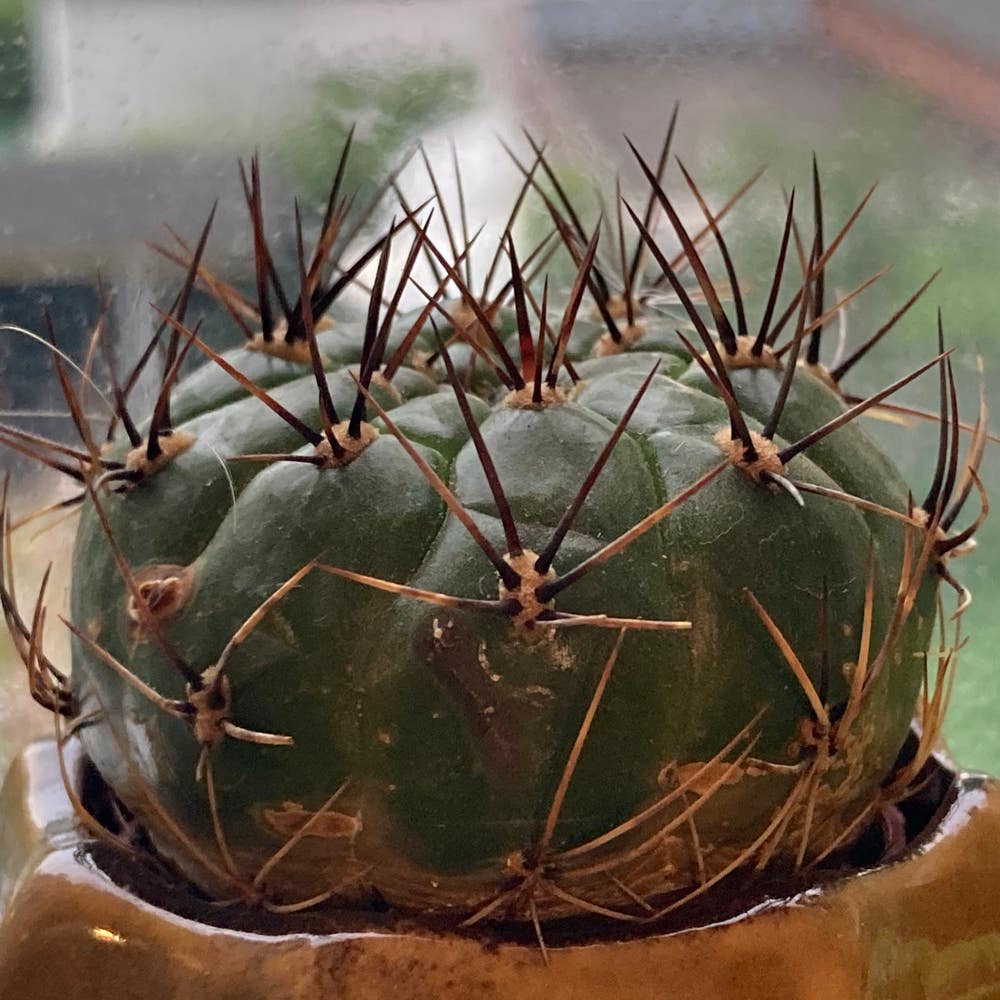
🌵 Why Are There Brown Spots on My Matucana weberbaueri?
Matucana weberbaueri
By the Greg Editorial Team
Jun 13, 2024•4 min read
This article was created with the help of AI so we can cover more plants for you. May contain errors. See one? Report it here.
- Overwatering and sunburn are common causes of brown spots; adjust care.
- Pests and diseases may also cause spots; inspect and treat promptly.
- Preventive measures like proper watering and sunlight are key to spot-free cacti.
Spotting the Trouble: Identifying Brown Spots
🌵 What Do Brown Spots Look Like?
Brown spots on Matucana weberbaueri can be as varied as the cactus's spines. They might show up as tiny speckles or evolve into large blotches, with edges that could be crisp or seem as though they've melted. The texture is a tell; spots may be dry and brittle or have a slimy feel, each hinting at a different cause. Colors range from light brown to dark, sometimes encircled by a yellow or black halo—a clear distress signal from your spiky friend.
Common Misconceptions
It's a classic mix-up to confuse the cactus's natural blemishes with the brown spots of doom. Natural markings or scars can look similar but usually follow a pattern or repeat in a way that's less random than the spots caused by more sinister issues. So, before you sound the alarm, check for consistency. If the spots are more like a chaotic splatter painting than a deliberate design, it's time to play detective. Remember, not all brown is a sign of plant apocalypse—sometimes it's just a beauty mark in the world of cacti.
The Usual Suspects: Causes of Brown Spots
💦 Too Much Love: Overwatering Woes
Overwatering can turn your Matucana weberbaueri's home into a swampy mess. Root rot sets in when roots are more soaked than a sponge in a rainstorm. If the base of your cactus feels like a wet squishy mess, it's time to ease up on the H2O.
☀️ Sunburned Spikes: The Perils of Excessive Sun
Your cactus loves the sun, but too much can lead to a sunburned disaster. Sunburn spots look like the plant's been in a tanning bed too long. Keep an eye out for bleached or crispy areas, and remember, even sun worshippers need shade.
🐜 Uninvited Guests: Pests and Diseases
Pests and diseases sneak in like party crashers. Look for webbing or overly moist soil, a sign of critters setting up camp. Fungal diseases flaunt their presence with concentric rings. It's a battle against these invaders, and your cactus is the battlefield.
Brown Spot ER: Treating the Affected Cactus
🌵 Adjusting Care Practices
When your Matucana weberbaueri starts looking like a leopard with brown spots, it's time for some TLC. Modify watering immediately; these cacti prefer a drought to a flood. Ensure the soil is bone-dry before giving it another drink. As for sunlight, think of it as a strong spice—best in the right amount. Move your cactus to a spot with bright, indirect light to prevent further sunburn.
🐞 Battling Bugs and Fungus
If pests are throwing a party on your cactus, it's time to crash it. Insecticidal soaps and neem oil are your organic bouncers, showing those bugs the door. For more stubborn gatecrashers, chemical treatments can be the muscle you need. Just remember, like antibiotics, don't overdo it. Fungus among us? Fungicides are your go-to, but always read the label—safety gear isn't optional. And keep the air moving around your cactus; fungi hate a good breeze.
Keeping Spots at Bay: Prevention Tactics
🚰 Perfecting the Watering Technique
Check the soil before you water—stick a finger in; if it's dry a couple of inches down, it's time to hydrate. Overwatering is a no-go; it's the fast track to fungal parties in your cactus pot. Always use a pot with drainage holes and pair it with a saucer to catch the excess, but don't let your plant sit in a puddle.
🌞 Creating a Safe Haven
Sunlight should be just right—not too harsh, not too dim, like the perfect pair of sunglasses for your cactus. Airflow is your friend; it's the unseen hero that wards off stagnant, spore-friendly air. Keep humidity moderate; think desert, not rainforest. Pest control starts with vigilance—inspect regularly and show bugs the door with insecticidal soap or neem oil. Remember, prevention is a daily gig, not a one-off concert.
⚠️ Safety First
This content is for general information and may contain errors, omissions, or outdated details. It is not medical, veterinary advice, or an endorsement of therapeutic claims.
Always consult a qualified healthcare professional before using any plant as food, medicine, or supplement.
Never eat any plant (or feed one to pets) without confirming its identity with at least two trusted sources.
If you suspect poisoning, call Poison Control (800) 222-1222, the Pet Poison Helpline (800) 213-6680, or your local emergency service immediately.
Spotted an error? Please report it here.
Keep your Matucana weberbaueri thriving 🌵 by using Greg to tailor watering and sunlight, helping you dodge those pesky brown spots with proactive plant care.