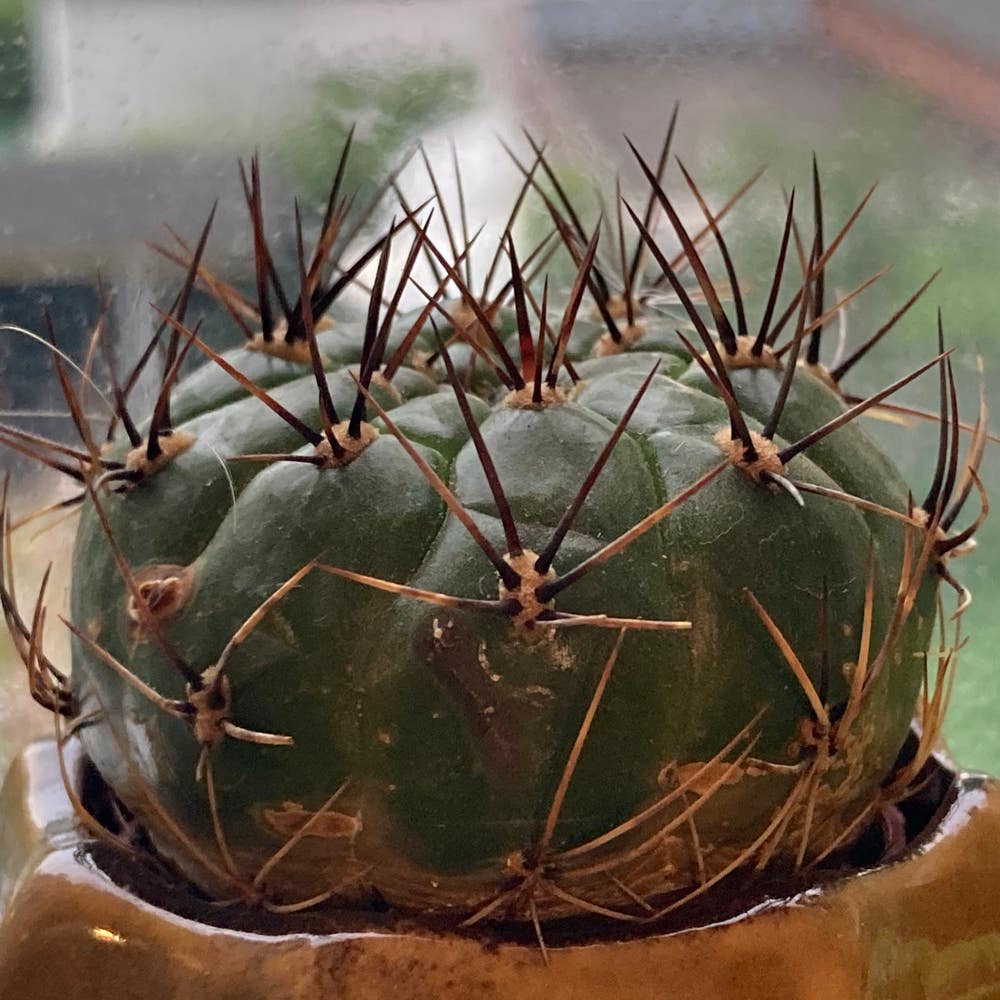
Why Are My Matucana weberbaueri Leaves Curling?
Matucana weberbaueri
By the Greg Editorial Team
Jun 13, 2024•5 min read
This article was created with the help of AI so we can cover more plants for you. May contain errors. See one? Report it here.
- 🌞🌡️ Too much sun or little heat can cause leaf curling.
- 💧 Balance watering; check top inch of soil to prevent curling.
- 🕵️♂️ Regular inspections help catch pests and diseases early.
Spotting the Culprits: Common Causes of Leaf Curling
🌞 Environmental Stressors
Too much sun or not enough heat can wreak havoc on your Matucana weberbaueri. These cacti crave a balance of light and temperature that doesn't always align with your indoor climate.
💡 Light and Temperature
If your plant's leaves are curling, it might be baking in direct sunlight or shivering in a too-cool room. Bright, indirect light is the sweet spot for these succulents, so consider relocating your plant to achieve this balance.
🍃 Airflow
Stagnant air is another stealthy stressor. Good circulation is crucial, so make sure your plant isn't suffocating in a still corner. A gentle breeze can help prevent curling leaves, but avoid placing your cacti in the path of harsh drafts.
🚰 Thirsty Roots or Drowning?
Your Matucana weberbaueri's roots are on a tightrope between too much and too little water. Getting this balance right is key to preventing leaf curl.
🏜️ Watering Woes
Overwatering can lead to leaves curling down as if trying to escape the soggy soil. On the other hand, underwatering can cause leaves to reach up, begging for a drink. Check the top inch of soil; if it's dry, it's time to water.
🌱 Soil Mix
The right soil mix is like a good pair of jeans—comfortable and supportive. Opt for a well-draining mix that allows roots to breathe without drowning. Poor drainage can suffocate roots, leading to distressed, curling leaves.
Unwanted Guests: Pests and Diseases
🐜 Pests that Make Your Plant Pout
Spider mites are the ninjas of the pest world, stealthy and destructive. They leave behind silken webbing on your Matucana weberbaueri as a calling card. To evict these pests, introduce natural predators like ladybugs or apply insecticidal soap.
Aphids are the vampires of the plant kingdom, sucking sap and leaving your cactus weak. Their presence is betrayed by a sticky residue known as honeydew. Blast them with a water jet or treat with neem oil to send them packing.
Mealybugs are the fluffy white marauders in the crevices of your plant. They're tough to spot, but their cotton-like residue gives them away. Isolate infested plants and use a cotton swab dipped in alcohol to clean them off.
🦠 Diseases that Dishearten
Fungal foes like powdery mildew and black spot can turn your plant's leaves into a spotty mess. These are often the result of too much moisture and not enough air circulation. Keep leaves dry and improve airflow to prevent these pathogens.
If you spot brown or black spots on leaves, you might be dealing with a fungal infection. Isolate the affected plant and treat with a fungicide, but remember to read the label carefully. Prevention is better than cure, so ensure your watering practices don't invite these unwanted guests.
Regular inspections are the equivalent of a security system for your plant. Catching pests and diseases early can save your Matucana weberbaueri from a world of hurt. Keep a watchful eye out for any signs of distress and act swiftly to keep your plant healthy and happy.
Turning Over a New Leaf: Fixing the Curl
💡 Adjusting the Environment
Light and temperature are the dynamic duo for plant health. Your Matucana weberbaueri is no sunbather; it prefers bright, indirect light. Too much direct sun is like a bad tan—it'll only cause more curling. Find a spot that mimics a mild spring day all year round, and you're golden.
Air circulation is the unsung hero of plant care. Stagnant air is to plants what a stale room is to us—unpleasant. Ensure your plant has enough breathing space, maybe with a fan or by cracking a window, but avoid putting it in the path of strong drafts.
🚰 Water Wisdom
The watering game is all about balance. Your plant's soil should feel like a moist sponge—not a desert, not a swamp. Let the top inch of soil dry out before you water again. It's a simple check that can save you from the perils of over or underwatering.
Soil amendments can be a game-changer. If your soil is holding onto water like a greedy sponge, mix in some perlite or sand to improve drainage. Conversely, if it's shedding water like a duck's back, organic matter can help retain moisture. Get the mix right, and you'll be on the fast track to uncurling those leaves.
Prevention: The Best Cure for Curly Leaves
🕵️ Routine Checks and Balances
Regular inspections are the cornerstone of plant health, especially for the Matucana weberbaueri. Like a health check-up, these inspections should focus on spotting early signs of trouble such as discoloration or the initial stages of leaf curling. By catching these symptoms early, you can prevent minor issues from escalating into major problems.
🌱 Cultivating Resilience
To build up your Matucana weberbaueri's defenses, consistent care is key. This means providing the right balance of light, water, and temperature to maintain a stable environment. Ensure the soil is well-draining yet retains sufficient moisture. Proactive care can help your plant develop resilience against common stressors that lead to leaf curling.
⚠️ Safety First
This content is for general information and may contain errors, omissions, or outdated details. It is not medical, veterinary advice, or an endorsement of therapeutic claims.
Always consult a qualified healthcare professional before using any plant as food, medicine, or supplement.
Never eat any plant (or feed one to pets) without confirming its identity with at least two trusted sources.
If you suspect poisoning, call Poison Control (800) 222-1222, the Pet Poison Helpline (800) 213-6680, or your local emergency service immediately.
Spotted an error? Please report it here.
Prevent leaf curl in your Matucana weberbaueri by mastering the art of balance in care, and let Greg's custom care plans 🌵 ensure your succulent thrives with the perfect watering schedule.