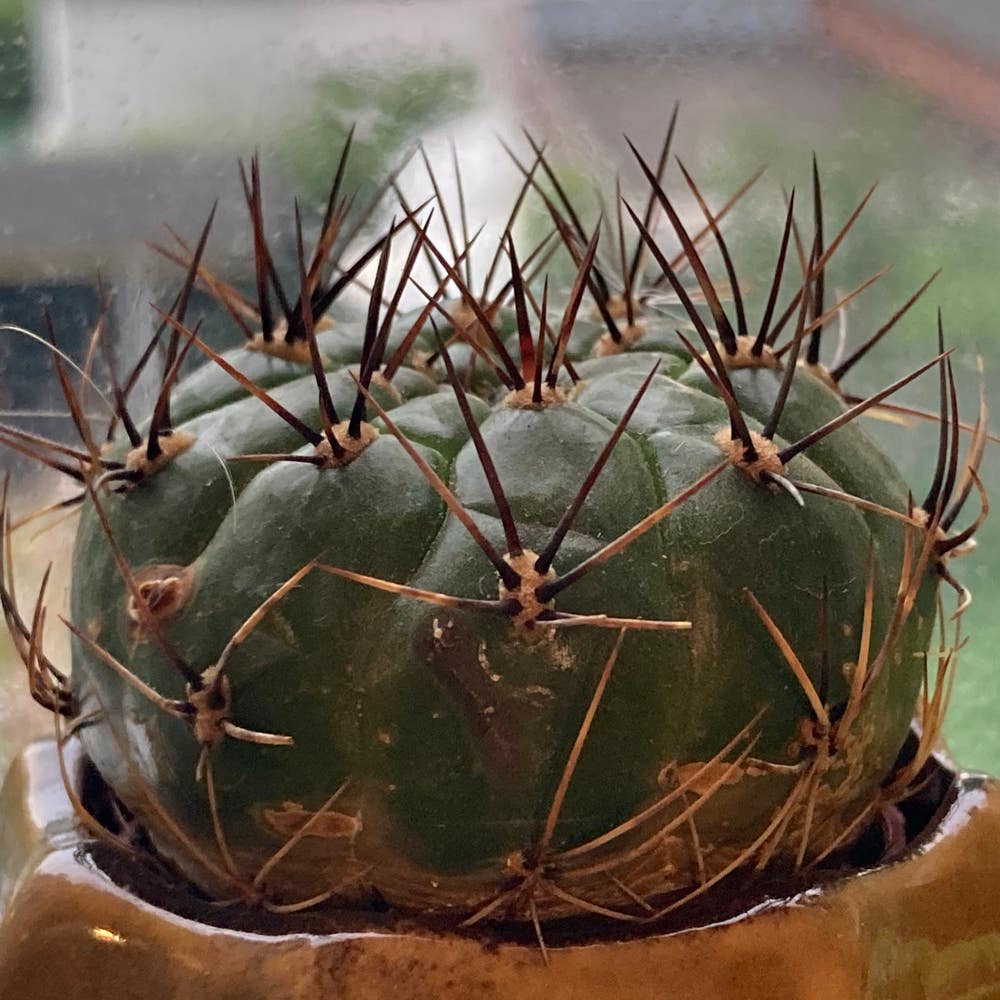
🌵 Why Are My Matucana weberbaueri Leaves Falling Over?
Matucana weberbaueri
By the Greg Editorial Team
Jun 13, 2024•4 min read
This article was created with the help of AI so we can cover more plants for you. May contain errors. See one? Report it here.
- Overwatering and underwatering both lead to leaf issues. Balance is key.
- Bright, indirect light and stable temps are crucial for cactus health.
- Consistent care and repotting every 2-3 years prevent future flops.
Spotting the Trouble Signs
🌊 Recognizing Overwatering Symptoms
Overwatering is the silent killer of Matucana weberbaueri. Yellowing leaves are the first red flag. If the base feels like a squishy marshmallow, it's a cry for help. Soil that smells like last week's forgotten gym clothes is a sure sign of too much water. Root rot could be taking hold if the plant is leaning like it's had one too many.
🏜️ Identifying Underwatering Stress
On the flip side, underwatering makes your cactus look like it's on a diet it never signed up for. Leaves will shrivel up, pleading for moisture. If the soil is as dry as a humorist's punchline, it's time for a drink. A light pot is another giveaway; it should feel like it's had a balanced meal, not fasting.
🌞 Assessing Light and Temperature Effects
Light and temperature can make or break your cactus's posture. Too little light, and it'll stretch out like it's trying to reach the last cookie on the shelf. Too much, and it's like a sunbather without sunscreen. Temperature swings are just as tricky. If your cactus is shivering or sweating, it's time to find that sweet spot where it can bask in comfort.
Immediate Steps to Take
💧 Correcting Watering Habits
Overwatering is the fast track to a cactus catastrophe. If you've been a little too generous with the H2O, it's time to dial it back. Wait for the soil to completely dry out before you even think about watering again. Picture the desert—it doesn't rain every day there, and your Matucana weberbaueri prefers it that way. Stick your finger into the soil; if the top inch feels like a dry desert, that's your green light to water.
🌞 Adjusting Light and Temperature
Your cactus is craving that sweet spot of light and temperature. Too much direct sunlight, and you're on the express train to Sunburn City. Relocate your spiky friend to a place where it can soak up bright, indirect light—think of it as a shady spot on a sunny beach. Rotate the pot regularly to ensure even exposure and prevent your cactus from doing the Leaning Tower of Pisa impression. Keep the temperature consistent; your cactus likes stability, not a roller coaster of hot and cold.
Long-Term Plant Health Strategies
🌱 Soil and Repotting Best Practices
Timing is crucial when it comes to repotting Matucana weberbaueri. Aim to repot every two to three years to refresh the soil, ensuring your cactus has the nutrients it needs. Spring is the ideal season for this task, as the plant is entering a period of active growth. When choosing a new pot, opt for one that's a size up—no mansions for studio-sized roots. This prevents the soil from staying too wet and causing root rot.
🌿 The Repotting Process
Repotting is a plant's version of a spa day. It's not just about a new container; it's about giving your cactus a fresh start. Use a well-draining soil mix, perhaps a blend of all-purpose potting soil with added perlite or coarse sand. After repotting, hold off on watering for at least a week to allow the roots to settle and heal from any potential damage.
🔄 Creating a Consistent Care Routine
Consistency is the backbone of cactus care. Establish a routine that's as regular as clockwork. Water when the top inch of soil is dry, and mark your calendar to keep track. Stability in the cactus's environment is key—no wild swings in temperature or light. Regular health checks are like preventative medicine; they help nip issues in the bud. Remember, a resilient care routine is your Matucana weberbaueri's best defense against taking a tumble.
Monitoring and Maintaining Plant Stability
👀 Keeping an Eye on Environmental Factors
Regular check-ups are your Matucana weberbaueri's best friend. Like a hawk, keep a watchful eye for the slightest signs of distress. Temperature swings? Not on your watch. Humidity levels taking a dive or soaring high? Time to tweak the environment. Remember, stability is as crucial for your cactus as a steady Wi-Fi signal is for your weekend Netflix binge.
🚑 When to Seek Professional Help
If your plant's leaves keep hitting the floor despite your best efforts, it's time to call in the pros. A professional plant doctor can spot issues you might miss, like a sneaky root rot or a pest invasion. Think of them as the Sherlock Holmes of horticulture, ready to diagnose the mystery ailments plaguing your prickly pal.
⚠️ Safety First
This content is for general information and may contain errors, omissions, or outdated details. It is not medical, veterinary advice, or an endorsement of therapeutic claims.
Always consult a qualified healthcare professional before using any plant as food, medicine, or supplement.
Never eat any plant (or feed one to pets) without confirming its identity with at least two trusted sources.
If you suspect poisoning, call Poison Control (800) 222-1222, the Pet Poison Helpline (800) 213-6680, or your local emergency service immediately.
Spotted an error? Please report it here.
Adjust your Matucana weberbaueri care with confidence, as Greg assists 🌵 in monitoring and perfecting your watering and lighting routine.