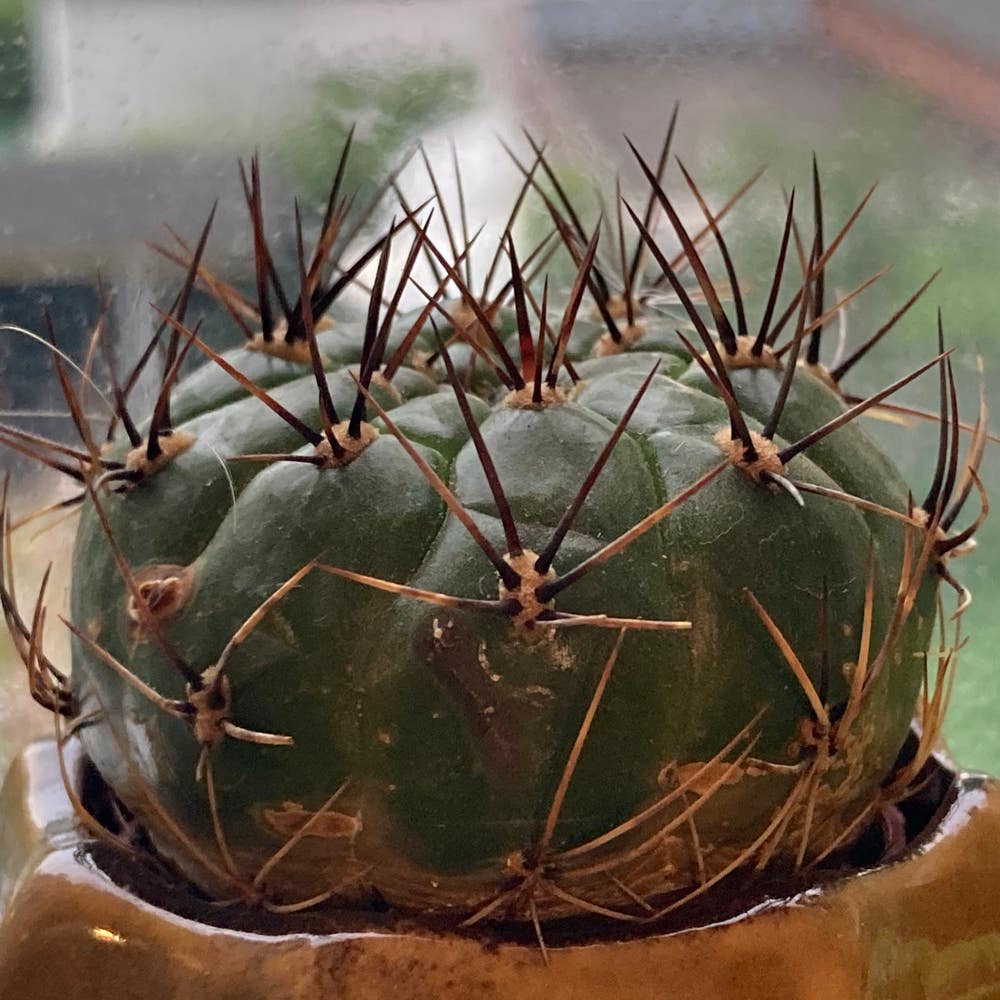
🐞 What To Do About Bugs on My Matucana weberbaueri?
Matucana weberbaueri
By the Greg Editorial Team
Jun 13, 2024•3 min read
This article was created with the help of AI so we can cover more plants for you. May contain errors. See one? Report it here.
- Identify pests early with regular inspections and magnifying glass check-ups.
- Use targeted treatments like neem oil, alcohol swabs, or insecticidal soap.
- Prevent infestations with clean surroundings and proper watering schedules.
Spotting the Invaders: Identifying Common Pests
🕷️ Spider Mites: The Sneaky Sap-Suckers
Tiny webbing and speckled leaf damage are your Matucana weberbaueri crying out for help. Spider mites are the culprits, and they're not fond of attention. To show them the door, neem oil and a boost in humidity can send them packing. Remember, these guys love dry conditions, so a little moisture goes a long way.
🦠 Scale: The Sticky Freeloaders
If you notice waxy bumps on your cactus, don't mistake them for quirky growths; you've got scale insects. These freeloaders are sticky, literally. They secrete honeydew, which can lead to sooty mold. For eviction, start with manual removal. If they're stubborn, horticultural oil is your muscle.
🦟 Fungus Gnats and Fruit Flies: The Soil Party Crashers
Tiny flies around your cactus? That's the sign of a soil party hosted by fungus gnats or fruit flies. To crash their rave, lay down sticky traps and let the soil dry out between waterings. These pests thrive in dampness, so keeping things on the drier side will help keep the party from starting again.
🐛 Mealybugs: The Fluffy Vandals
White, fluffy clusters on your cactus are a clear sign of a mealybug infestation. These fluffy vandals are after your plant's vital juices. To clean up their mess, grab some alcohol swabs and wipe them out. For larger colonies, insecticidal soap can be your ally in this fight.
Other Unwelcome Guests
🐜 Aphids: The Green Gang
Clusters of aphids on your Matucana weberbaueri are like uninvited guests at a garden party. These pests are typically green or black, and they love to huddle on new growth. To catch them, look for sticky honeydew or distorted leaves.
Blast them with a water spray or introduce ladybugs, nature's own pest control. For a more targeted approach, a cotton swab dipped in rubbing alcohol can be quite effective. Insecticidal soap is also a solid option, but remember, the ecosystem's balance is key.
🦟 Thrips: The Invisible Munchers
Thrips are the ninjas of the plant world, leaving behind silvery trails and deformed growth as evidence of their presence. They're slender and love to hide, making them a bit tricky to spot.
To combat these pests, a strong water jet can knock them off their feet. Follow up with insecticidal soap or neem oil to ensure they don't return. Consistency is crucial with these stealthy invaders, so keep up the treatment until they're gone for good.
The Art of Prevention: Keeping Bugs at Bay
🕵️ Regular Check-Ups
Vigilance is your plant's best friend. Incorporate regular inspections into your routine, using a magnifying glass to spot the early signs of pest infestation. Catching these critters early can save your Matucana weberbaueri from a world of hurt.
🧼 Plant Hygiene
Cleanliness is next to cactus healthiness. Wipe down your cactus and its surroundings to make it less appealing to bugs. Sanitize your tools and pots regularly to prevent pests from spreading.
💧 Watering Wisdom
Overwatering is an open invitation to pests. Ensure your Matucana weberbaueri's soil is moist but never waterlogged. Stick to a watering schedule that allows the soil to dry out between waterings, deterring those pesky bugs that love damp conditions.
⚠️ Safety First
This content is for general information and may contain errors, omissions, or outdated details. It is not medical, veterinary advice, or an endorsement of therapeutic claims.
Always consult a qualified healthcare professional before using any plant as food, medicine, or supplement.
Never eat any plant (or feed one to pets) without confirming its identity with at least two trusted sources.
If you suspect poisoning, call Poison Control (800) 222-1222, the Pet Poison Helpline (800) 213-6680, or your local emergency service immediately.
Spotted an error? Please report it here.
Banish bugs from your Matucana weberbaueri and keep them at bay with Greg's custom care plan 🌵, ensuring your cactus stays healthy and pest-free by reminding you when to check and treat your spiky friend.