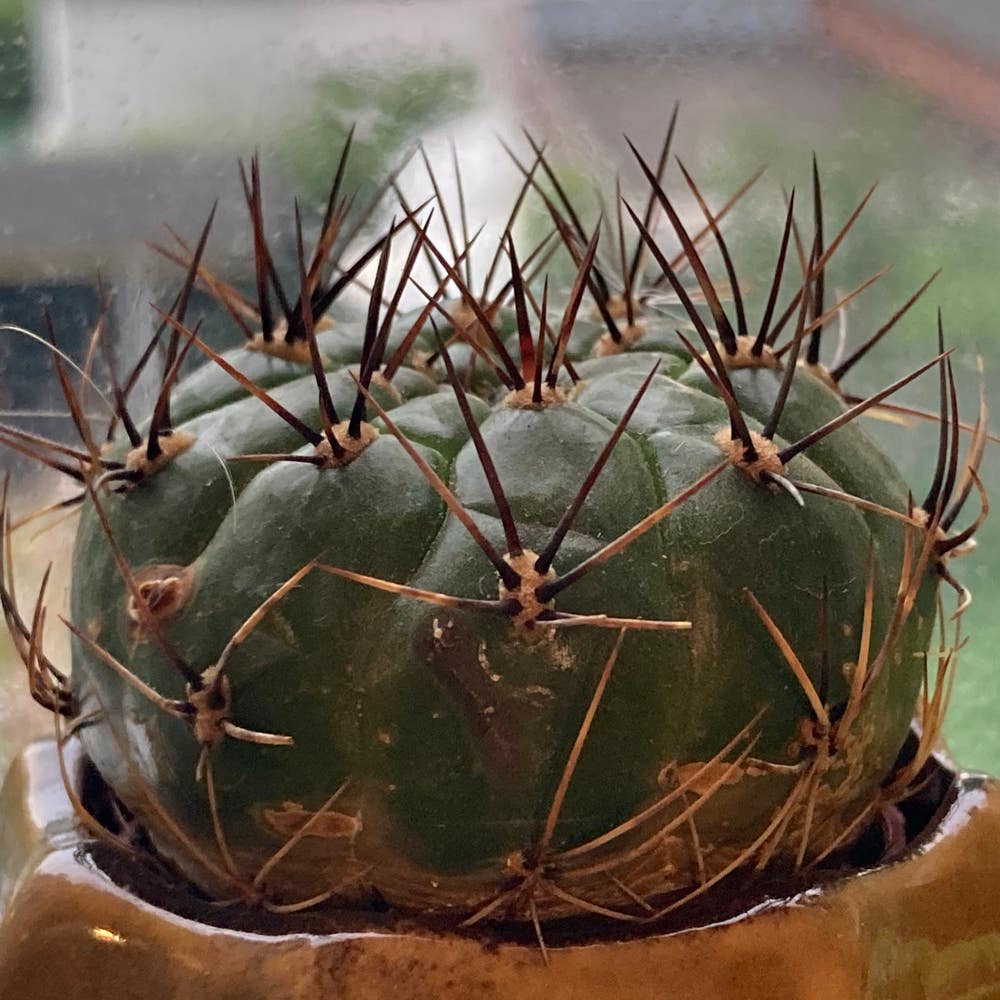
💧 Why Are My Matucana weberbaueri Leaves Mushy?
Matucana weberbaueri
By the Greg Editorial Team
Jun 13, 2024•4 min read
This article was created with the help of AI so we can cover more plants for you. May contain errors. See one? Report it here.
- Overwatering and root rot are common causes of mushy leaves.
- Adjust watering and repot with well-draining soil to save your succulent.
- 🌱 Master watering and soil choice for long-term plant health.
Spotting the Trouble: Signs Your Matucana weberbaueri Has Mushy Leaves
🎨 Visual Symptoms
Discoloration is your first clue. When your Matucana weberbaueri's leaves shift from vibrant green to a lackluster yellow or brown, it's a cry for help. Healthy leaves should be the pride of your plant, not a sad, overcooked veggie imitation.
🖐 Tactile Clues
The touch test is telling. Leaves should snap back, not linger like a bad aftertaste. If they feel like a damp sponge, you've got mushiness on your hands. This tactile evidence is a clear signal that your succulent is in distress.
⚠️ Warning Signs of Progressing Issues
Keep an eye out for dark spots or a wilted appearance; these are visual cues that the problem is getting worse. If your plant's leaves are starting to resemble a deflated balloon, it's time to take action. Regular inspection is key, like catching a cold before it turns into pneumonia.
The Usual Suspects: Common Causes of Mushiness
💦 Overwatering Woes
Overwatering is like a love that suffocates. Your Matucana weberbaueri's leaves turning into mush is a sign you've gone from nurturing to waterboarding. Soil that's perpetually soggy, a pot that feels like a kettlebell, and leaves that give up the ghost at the slightest touch scream 'too much!'
🕵️♂️ Root Rot: The Hidden Culprit
Root rot is the ninja of plant problems—silent, deadly, and out of sight. It's a fungal fiesta in your pot, and the mushy leaves are the unhappy aftermath. Spotting root rot involves a bit of detective work: roots that feel like they've seen too much boiling water and a whiff of decay are the tell-tale signs that your plant's foundation is crumbling.
Emergency Care: Salvaging Your Succulent
💧 Adjusting Your Watering Technique
Finding the sweet spot for watering your Matucana weberbaueri is like hitting the bullseye in darts—it requires precision. Start by letting the soil become completely dry between waterings. This isn't a guessing game; check the soil moisture before you reach for the watering can. If it's damp, take a step back. If it's dry, give it a thorough drink, but don't drown it in your enthusiasm.
🌱 Soil SOS: When to Repot
Repotting isn't just a chore; it's a rescue mission. If your succulent's soil is more swamp than desert, it's time for a change. Look for soil that clings to water like a bad habit—it's a sign to switch it up. Choose a well-draining mix, and while you're at it, consider a pot with proper drainage holes. It's like giving your plant a new pair of running shoes—better support for healthier growth. When you repot, be as gentle as a jeweler setting a diamond. Your plant's roots are delicate, treat them with care.
Keeping It Firm: Long-Term Prevention Strategies
💧 Mastering the Art of Watering
Watering your Matucana weberbaueri shouldn't be a daily routine. It's about timing. Water only when the top inch of soil feels bone-dry. Consider using a moisture meter for precision—no more guesswork.
Seasons change, and so should your watering habits. Plants often need less in the winter. Keep a calendar to track and adjust your watering schedule, ensuring your succulent's thirst is quenched just right.
🌱 The Perfect Pot and Soil Mix
Pots are more than decor; they're your plant's home. Choose unglazed clay or terra cotta for breathability. Ensure they have drainage holes to prevent water from overstaying its welcome.
Soil is the bed your plant sleeps in. Aim for a mix that's like a good party host—welcoming yet firm. Blend in perlite, coarse sand, or pine bark fines for that perfect balance of drainage and moisture retention. Keep your succulent's feet happy, and you'll avoid the mushy leaf blues.
⚠️ Safety First
This content is for general information and may contain errors, omissions, or outdated details. It is not medical, veterinary advice, or an endorsement of therapeutic claims.
Always consult a qualified healthcare professional before using any plant as food, medicine, or supplement.
Never eat any plant (or feed one to pets) without confirming its identity with at least two trusted sources.
If you suspect poisoning, call Poison Control (800) 222-1222, the Pet Poison Helpline (800) 213-6680, or your local emergency service immediately.
Spotted an error? Please report it here.
Avoid the mushy-leaf blues in your Matucana weberbaueri by letting Greg 🌱 guide you with custom watering plans and potting tips for succulent success!