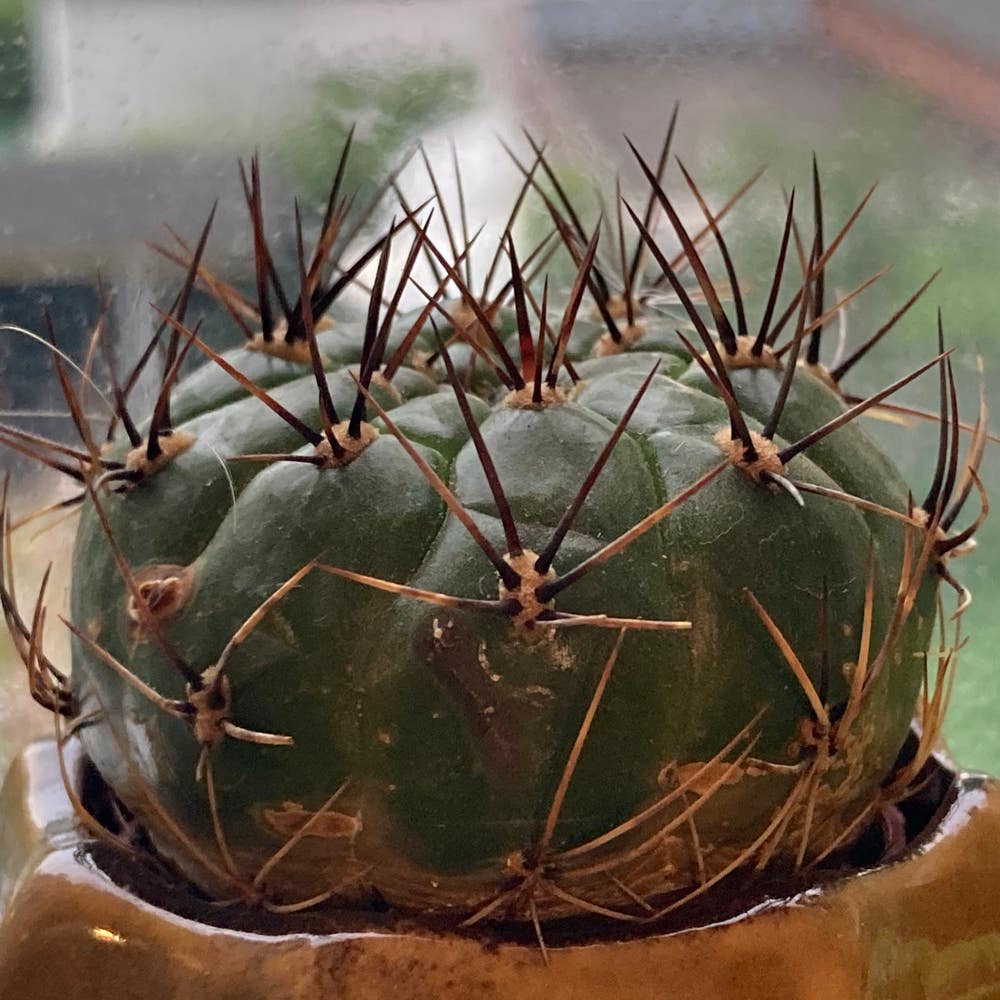
Black Spots on My Matucana weberbaueri Leaves
Matucana weberbaueri
By the Greg Editorial Team
Jun 13, 2024•5 min read
This article was created with the help of AI so we can cover more plants for you. May contain errors. See one? Report it here.
- Black spots signal distress in Matucana weberbaueri, often with yellowish halos.
- Fungal and bacterial causes thrive in moist, poorly ventilated conditions.
- Treat with fungicides or copper compounds, and adjust watering and airflow.
Spotting the Trouble: Recognizing Black Spots
🕵️♂️ Visual Cues: The Look of Trouble
Black spots on your Matucana weberbaueri are not a new leaf pattern to get excited about. These tiny specks can quickly turn into larger, more noticeable blotches. They often have a yellowish halo or dark margins, which are basically your plant waving a white flag.
Where to Find Them?
Underneath the leaves is where the black spot saga begins. But don't be fooled; these blemishes have no qualms about making their way to the topside of the leaf, soaking up the sun. Whether it's the new growth or the old guard, black spots are equal-opportunity offenders.
Beyond the Blemish
It's important to realize that black spots are more than just cosmetic. They're a sign that your plant might be throwing an SOS signal. Some spots are raised and rough, others might be sunken—like your heart when you spot them.
Early Detection
Catch these spots when they're tiny—under ⅛ inch. If you let them be, they'll grow into something that'll make you wish you hadn't. Look for spots with dark margins or concentric rings; they're not just being dramatic, they need your help.
Common Mix-Ups
Don't mistake natural variegation for these troublemakers; it's usually symmetrical and uniform. Black spots, on the other hand, are the rebels without a cause, often accompanied by yellowing leaves. A change in the leaf's texture where the spot appears is a red flag.
Inspection Tips
Flip those leaves and inspect every nook and cranny. Regular leaf check-ups are as essential as your morning coffee—don't skip them. And remember, cleanliness is next to plant-godliness; always clean your tools before and after you play doctor with your plants.
The Usual Suspects: Causes of Black Spots
🍄 Fungal Foes
Fungal infections are like unwanted party guests on your Matucana weberbaueri, leaving black spots as their trademark. These spots can appear as dark lesions, sometimes encircled by concentric rings, which are a dead giveaway of a fungal free-for-all.
🌧️ Conditions for a Fungal Free-for-All
Fungi love to throw down in moist conditions. Overwatering your cactus or leaving it in a humid room is akin to rolling out the red carpet for these uninvited guests. If your plant's environment is a constant sauna with stagnant air, you're practically hosting a fungi fest.
🦠 Bacterial Bullies
Bacterial infections are the ninjas of the plant world, striking swiftly with dark, often slimy spots. These may be bordered by a yellow or red halo, a distress signal of bacterial shenanigans. A foul odor or a water-soaked look? That's bacteria throwing a covert operation.
🌪 Brewing the Perfect Bacterial Storm
The perfect storm for bacteria involves too much love in the form of moisture and a lack of breathing room. It's like setting up a crime scene where bacteria can thrive unchecked. Keep an eye on your plant's surroundings; too cozy, and you're nurturing a bacterial breakout.
🌿 Environmental Stressors
Overwatering and humidity are not just fungal and bacterial besties; they're also signs of a plant in distress. If your Matucana weberbaueri is showing black spots without the bull's-eye pattern and they're not spreading, it's likely crying out due to environmental stress.
🌊 The Chaos of Overwatering and Humidity
Too much water forces roots to drown rather than drink, leading to a soggy mess. High humidity without proper airflow is like sending out a mass invite to every pathogen in the vicinity. Keep the water in check and the air moving to avoid these chaotic conditions.
Nipping it in the Bud: Treatment Tactics
🍄 Fungicide to the Rescue
When black spots mar your Matucana weberbaueri, fungicide is your go-to ally. Chlorothalonil or mancozeb come highly recommended. Apply with a keen eye for coverage, hitting all angles without drenching your plant. Remember, the label is your bible; follow it to the letter.
🌿 Environmental Tweaks
Keep fungi from feeling at home by adjusting your plant's living conditions. Increase air flow, dial down the humidity, and make sure your watering routine doesn't leave the soil soggy. It's about creating a no-fun zone for fungi.
💥 Battling Bacteria
When bacteria are the party crashers, it's time for copper-containing compounds. Think of them as your plant's antibiotics. Remove any infected leaves first, then apply treatments with precision—like a sniper, not a spray-and-pray rookie.
🌱 Cultural Shifts
To halt bacteria in their tracks, it's not just about what you apply, but how you care. Sanitize your tools, keep the growing area pristine, and adjust your watering habits. It's the one-two punch of good hygiene and smart gardening that'll keep your Matucana weberbaueri in the clear.
Keeping Your Matucana weberbaueri Spotless
💧 Watering Wisdom: Finding the Balance
Overwatering is the fast track to fungal fiestas and bacterial blowouts. Your Matucana weberbaueri craves a drink only when the soil feels as dry as yesterday's toast. Stick your finger in the soil; if the top inch is dry, it's time to water. Underwatering isn't a virtue either; it's about hitting that sweet spot where the soil is just moist enough to quench your plant's thirst without drowning its roots.
💨 The Airflow Affair: Why Circulation is Key
Stagnant air is a no-go. It's like rolling out the red carpet for unwanted spotty guests. Keep the air around your Matucana weberbaueri moving with a gentle fan or by cracking open a window. Good airflow helps to keep those pesky black spots at bay and your plant's leaves basking in the glory of fresh air.
🌡️ A Cozy Climate: Managing Humidity and Temperature
Your Matucana weberbaueri doesn't want to swim or dry out like a desert wanderer; it seeks a Goldilocks zone of humidity. Use a hygrometer to keep tabs on the moisture in the air. Aim for moderate humidity, and adjust with a humidifier or a pebble tray if needed. Temperature-wise, keep it cozy but not hot. Your plant's comfort zone is a warm subtropical vibe, not a tropical steam room or an arctic chill.
⚠️ Safety First
This content is for general information and may contain errors, omissions, or outdated details. It is not medical, veterinary advice, or an endorsement of therapeutic claims.
Always consult a qualified healthcare professional before using any plant as food, medicine, or supplement.
Never eat any plant (or feed one to pets) without confirming its identity with at least two trusted sources.
If you suspect poisoning, call Poison Control (800) 222-1222, the Pet Poison Helpline (800) 213-6680, or your local emergency service immediately.
Spotted an error? Please report it here.
Banish black spots 🚫 on your Matucana weberbaueri with Greg's tailored watering reminders and environmental monitoring for a healthier, happier cactus.