🌵 How Much Humidity Does My Matucana weberbaueri Need?
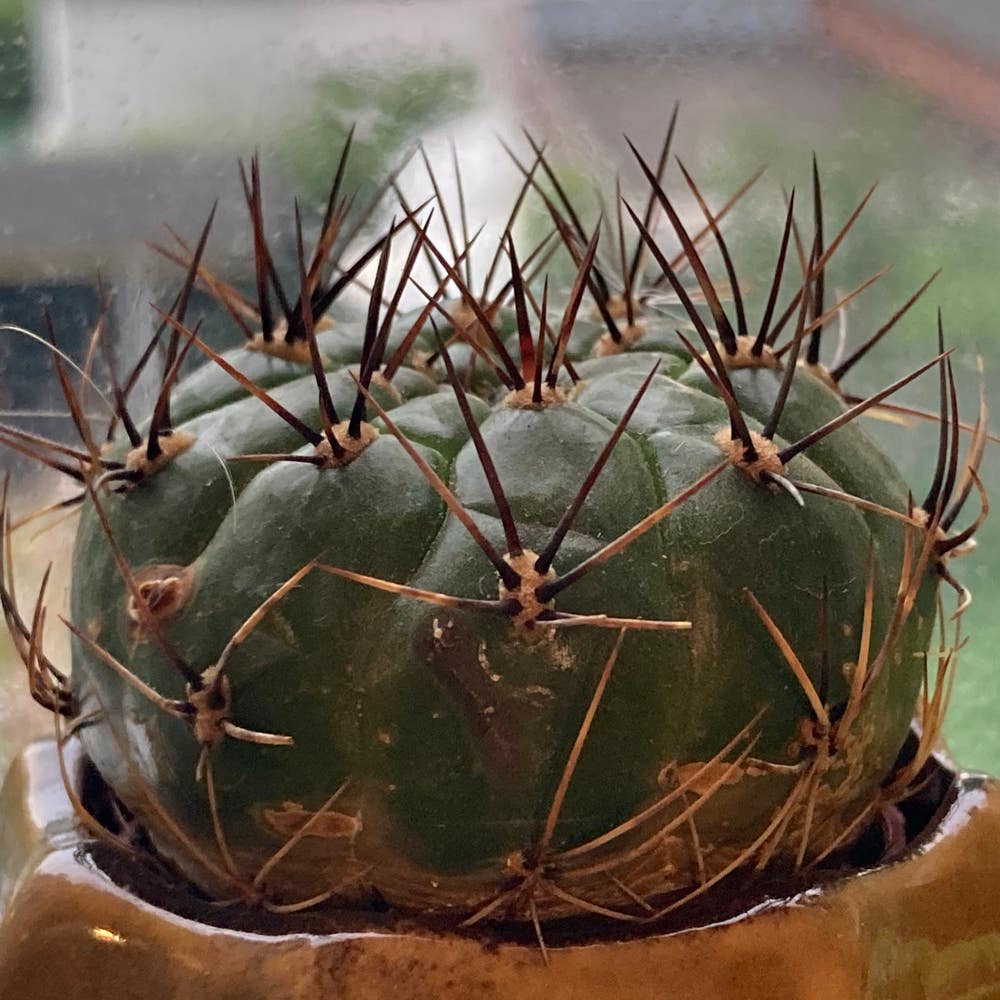
Matucana weberbaueri
By the Greg Editorial Team
Jun 13, 2024•3 min read
This article was created with the help of AI so we can cover more plants for you. May contain errors. See one? Report it here.
- Relative humidity is key for Matucana weberbaueri's health and bloom.
- 🌵 Look for signs: Shriveled stems and mold indicate wrong humidity levels.
- Use tools and tips: Hygrometers, humidifiers, and plant grouping help maintain balance.
The Sweet Spot: Ideal Humidity Levels for MaMatucana weberbaueri## ⚖️ What's the Deal with Relative Humidity?
Relative humidity (RH) is crenough lighte well-being of your Matucana weberbaueri. It's all about the moisture content in the air relative to the temperature. Optimal RH supports healthy growth and vibrant flowering.
🏜️ When the Air's Too Dry
Keep an eye out for wdistilled waterke shriveled stems or brown, crispy leaf tips. These are your cactus's way of crying out for a humidity boost.
🌧️ When It's a Rainforest in Your Living Room
Conversely, too much humidity can spell disaster. Watch for mold growth or a soft, rotting base—clear indicadiscourages moldlant is drowning in moisture.
Making It Rain (Just a Little) for Your Matucana weberbaueri
💨 Humidifier Harmony
Humidifiers can be the silent guardians of your Matucana weberbaueri's moisture needs. Opt for a model that whispers its work, allowing you to adjust the humidity levels without the white noise concert. Remember, it's about creating a consistent mist, not a storm cloud in your living room.
🌿 Natural Boosters
Pebble Trays: Your Plant's Mini Oasis
Pebble trays are the old-school trick for a humdirect sunlightll a tray with stones, pour in some water, and set your cactus on top. The water evaporates, offering a gentle hug of moisture to your Matucana weberbaueri, without making its feet wet.
Plant Buddies
Grouping plants can turn your space into a mini rainforest. Each plant releases moisture, which collectively raises the humidity. It's like a plant potluck where everyone brings a dish of water vapor.
Strategic Placement
Consider Matucana weberbaueria weberbaueri in higher humidity rooms like the bathroom or kitchen, provided they get enough light. It's a simple move that can make a big difference.
Misting: A Quick Fix
Misting can give a quick humidity hit, but it's not the daily bread. Overdo it, and you'indoor climate control than a sitcom family at a reunion. Use distilled water to avoid mineral deposits on your plant.
When Less Is More: Reducing Humidity
💨 Airflow and Your Plant
Air circulation is critical for Matucana weberbaueri, especially when indoor air feels like a sauna. Strategically placed fans can create a gentle breeze that discourages mold and keeps your cactus happy.
🌵 The Dehumidifier Dilemma
Dehumidifiers are your go-to when the air gets too muggy. Use them judiciously to strike a balance in your plant's environment—think moisture moderator, not desert maker.
Keeping Tabs on Humidity: Tools and Tips
🌡️ Hygrometers and Beyond
Hygrometers are your Matucana weberbaueri's best friend. They provide precise readings of the humidity levels surrounding your plant. To avoid inaccurate measurements, place the hygrometer near your cactus but out of direct sunlight and away from drafts.
Regular monitoring with this tool will help you understand the daily fluctuations in humidity. This isn't just a one-and-done deal; it's about observing trends and making adjustments as needed.
🌍 Adjusting to Your Local Humidity
Your local climate is a wildcard that can change the humidity game. Use a hygrometer to measure the moisture in different rooms and at various times to find the optimal spot for your Matucana weberbaueri.
Remember, these plants can adapt, but they thrive on consistency. If you notice the humidity levels are off, don't hesitate to move your plant or tweak your care routine. Keeping an eye on outdoor humidity can also provide valuable insights, especially when your indoor climate control is at work.
⚠️ Safety First
This content is for general information and may contain errors, omissions, or outdated details. It is not medical, veterinary advice, or an endorsement of therapeutic claims.
Always consult a qualified healthcare professional before using any plant as food, medicine, or supplement.
Never eat any plant (or feed one to pets) without confirming its identity with at least two trusted sources.
If you suspect poisoning, call Poison Control (800) 222-1222, the Pet Poison Helpline (800) 213-6680, or your local emergency service immediately.
Spotted an error? Please report it here.
Keep your Matucana weberbaueri flourishing 🌵 with Greg's real-time humidity tracking and custom care alerts, ensuring your spiky friend always has the ideal moisture it craves.