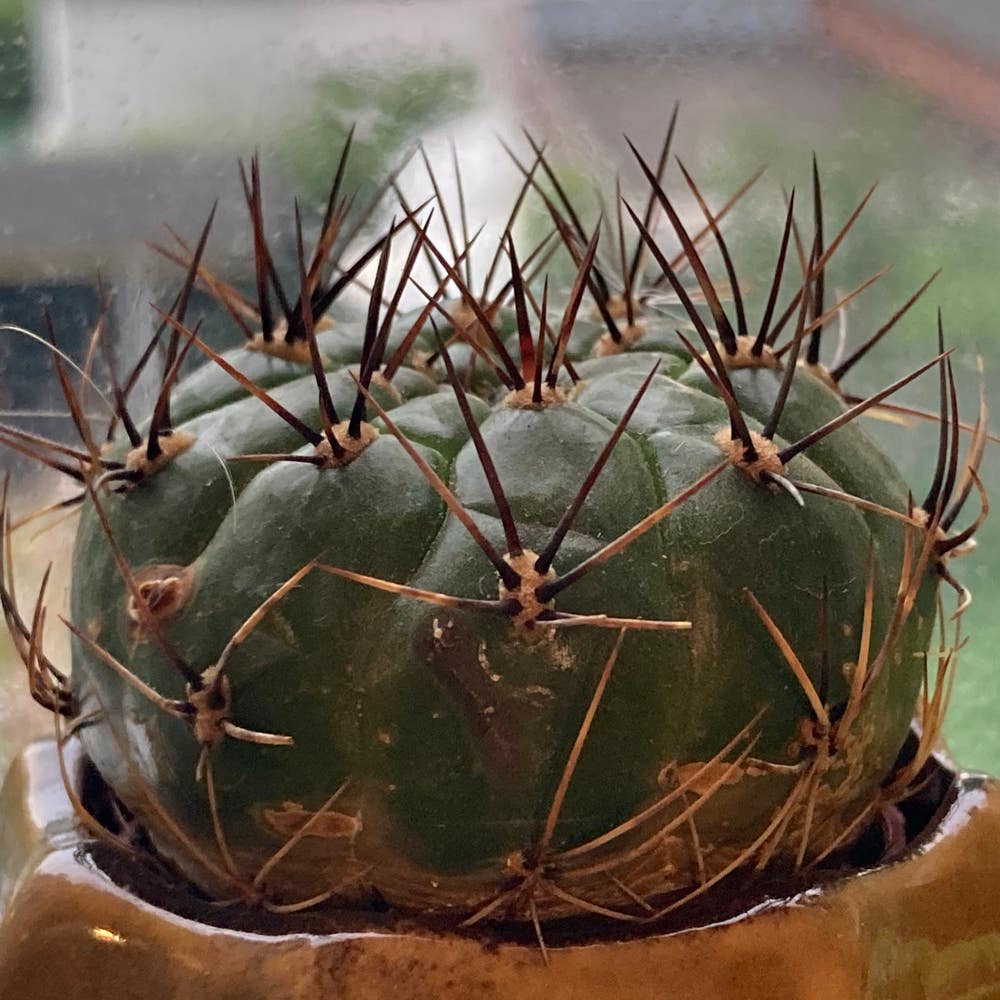
Am I Starving My Matucana weberbaueri? Fertilizing 101
Matucana weberbaueri
By the Greg Editorial Team
Jun 13, 2024•4 min read
This article was created with the help of AI so we can cover more plants for you. May contain errors. See one? Report it here.
- Yellow leaves, stunted growth? Your cactus might need more nutrients.
- Burnt tips, white crust? You've over-fertilized. Flush soil with water.
- Potassium for blooms, low-nitrogen for growth. Choose fertilizer wisely.
Spotting the Signs: Is Your Matucana weberbaueri Hungry?
💡 Recognizing Under-Fertilization
Yellowing leaves or a lack of vibrant blooms? Your Matucana weberbaueri might be hinting at a nutrient deficit. Stunted growth and thin, weak stems are the plant's quiet plea for a little more to munch on.
💡 Identifying Over-Fertilization
Overzealous with the nutrient bottle? Burnt leaf tips and a white crust on the soil surface are your cactus crying 'I'm full!'. If you spot these, it's time to flush the soil with water and dial back on the feeding frenzy.
Fertilizer Matchmaking: Choosing the Right Food for Your Cactus
💡 Decoding NPK Ratios for Matucana weberbaueri
When it comes to feeding your Matucana weberbaueri, NPK ratios are your roadmap. These three numbers on fertilizer labels stand for nitrogen (N), phosphorus (P), and potassium (K). Potassium is your cactus's best friend, providing the energy needed for those vibrant blooms. Aim for a low-nitrogen formula to prevent your cactus from becoming all leaf and no flower. A balanced 1-1-1 or a slightly potassium-rich 2-1-1 ratio will keep your cactus sturdy and blooming.
🍽️ Organic vs. Synthetic: What's Best for Your Blooms?
The debate between organic and synthetic fertilizers is like choosing between a slow-cooked meal and fast food. Organic options release nutrients slowly, reducing the risk of nutrient burn, but might be pricier and smell a bit earthy. Synthetics, on the other hand, provide a quick nutrient hit but can overwhelm your cactus if you're not careful. Remember, a low nitrogen content is crucial; too much and you'll have a leggy cactus with weak blooms. Whether you go organic or synthetic, moderation is key.
Timing is Everything: When to Fertilize for Optimal Blooms
💡 Growth Stages and Fertilizer Timing
Syncing your Matucana weberbaueri's feeding schedule with its growth cycle isn't just smart; it's a necessity. During active growth, fertilize monthly to support robust development. When your cactus enters dormancy, typically in the cooler months, it's time to back off—think of it as their hibernation period.
🍂 Seasonal Fertilizing Tips
🌷 Spring Awakening
As the chill of winter fades, your cactus is gearing up for action. Start fertilizing in early spring to kickstart the growth season. This initial boost is like a wake-up call, setting the stage for those vibrant blooms.
🍁 Preparing for Winter
Come fall, it's time to wind down. Reduce fertilization as your Matucana weberbaueri prepares to take it easy. Overwintering without excess nutrients helps prevent potential damage and sets the stage for a healthy return in spring.
Fertilizing Techniques: How to Apply the Good Stuff
💧 Mixing and Applying Fertilizers
Dilution is the cornerstone of fertilizing Matucana weberbaueri. Aim for a half-strength mix, as full concentration can be too harsh on the cactus's roots. It's like a nutrient cocktail—too strong and you risk damage, too weak and it's ineffective.
For application, avoid direct contact with the cactus itself. Pour the diluted fertilizer onto the soil, ensuring you don't create a soggy environment. This method targets the roots—where the nutrients are needed most—without overwhelming the plant.
🌸 Best Practices for Encouraging Flowering
To coax out those vibrant blooms, fertilize during the active growing season. Spring and summer are prime times, with a pause during the cooler, dormant months. Remember, a balanced fertilizer promotes overall plant health, which in turn encourages flowers.
🛠 Troubleshooting Common Issues
If you spot signs of distress post-fertilization, like leaf burn or a crusty buildup of salts, it's time to reassess. Flush the soil with water to mitigate over-fertilization. This can help reset the nutrient balance and prevent further damage.
Observation is key. After applying fertilizer, watch your cactus closely. Adjust your technique based on the plant's response—less can indeed be more. If you're unsure, err on the side of caution and opt for a lighter touch with the fertilizer bottle.
⚠️ Safety First
This content is for general information and may contain errors, omissions, or outdated details. It is not medical, veterinary advice, or an endorsement of therapeutic claims.
Always consult a qualified healthcare professional before using any plant as food, medicine, or supplement.
Never eat any plant (or feed one to pets) without confirming its identity with at least two trusted sources.
If you suspect poisoning, call Poison Control (800) 222-1222, the Pet Poison Helpline (800) 213-6680, or your local emergency service immediately.
Spotted an error? Please report it here.
Avoid the under or overfeeding dilemma and flourish 🌵 with your Matucana weberbaueri by letting Greg's personalized reminders keep your fertilization on point.