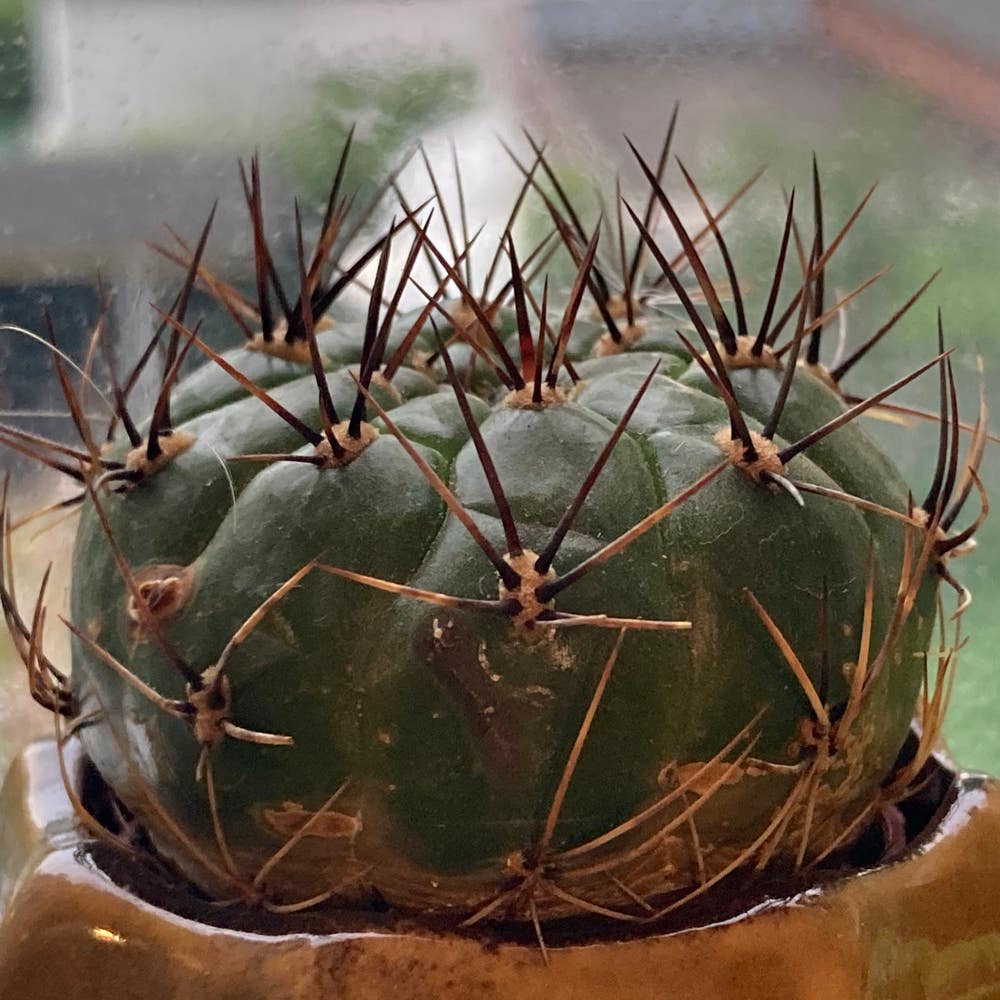
Matucana Weberbaueri Root Rot Solutions
Matucana weberbaueri
By the Greg Editorial Team
Jun 13, 2024•4 min read
This article was created with the help of AI so we can cover more plants for you. May contain errors. See one? Report it here.
- Discoloration and squishiness signal root rot in Matucana weberbaueri.
- Dry roots post-surgery and proper post-op care are essential for recovery.
- Prevent with proper soil, drainage, and adjusted watering schedules.
Spotting Trouble: Recognizing Root Rot in Matucana Weberbaueri
🚩 Visual Red Flags
Discoloration and texture changes are the telltale signs of root rot in Matucana weberbaueri. When your cactus's once vibrant skin turns a sickly color, it's not trying out a new look—it's in trouble.
A cactus's skin should be firm and resilient; if it feels soft or squishy, that's a cry for help. Don't ignore these visual cues; they're as blatant as a neon sign flashing "SOS."
🕵️ Beyond the Surface
Before visible symptoms scream "emergency," there may be subtle hints of root rot. Trust your instincts—if something feels off, it's time to investigate.
Perform the sniff test—a healthy cactus won't smell like a compost bin. If your nose wrinkles at the scent of decay, it's a clear signal that your cactus's roots might be on the brink of disaster.
First Response: Immediate Actions to Combat Root Rot
🏥 Surgical Precision
Sterilize your tools—it's time for some root surgery on your Matucana weberbaueri. Snip away the mushy, discolored roots, ensuring you cut into the healthy tissue to prevent any unseen rot from lingering. It's a delicate balance; too much, and you harm the plant, too little, and the rot could persist.
Isolate your cactus immediately. Think of it as a plant ICU—no other plants allowed. Remove the Matucana weberbaueri from its pot and gently shake off the soil to reveal the root system. Healthy roots are firm and white, while rotted ones are soft and brown.
🚑 Post-Op Care
Let the roots dry out. This is the crucial waiting period where the plant's wounds heal in the open air. It's not just about recovery; it's about changing the environment to one where root rot doesn't want to return.
Choose the right post-treatment location. It should be warm, with indirect light, and away from any moisture sources. This is where your Matucana weberbaueri will start its journey to recovery, so make it a good one.
Building Defenses: Preventing Future Root Rot
🌱 The Right Foundation
Crafting the perfect soil mix is your first line of defense against root rot. A blend of store-bought cactus soil with added perlite or vermiculite will ensure your Matucana weberbaueri's roots are in a well-draining paradise. It's like giving your cactus a breathable space suit in a wet world.
The choice of container is just as crucial. Drainage holes are mandatory; they're the getaway car for excess water. Terra cotta pots are a solid pick, thanks to their porous nature that whispers "adios" to moisture buildup. And don't forget to check those holes regularly; a blocked drain is as good as no drain at all.
💧 Water Wisdom
Getting the watering schedule right is like being a plant's personal bartender—you need to know when to cut them off. Before watering, check if the top inch of soil is dry. If it's not, put that watering can down. It's all about giving your cactus the sip, not the soak.
Seasonal adjustments are key. Your Matucana weberbaueri isn't looking to party in the winter; it's more of a chill, Netflix-and-no-water vibe. Dial back the frequency when the temperatures drop, and your cactus will thank you by not turning into a mushy mess.
Fungus Among Us: Dealing with Pathogens
🍄 Natural Foes
In the battle against root rot, natural antifungals are your undercover agents. Beneficial organisms like Trichoderma act as the plant's personal security detail, warding off harmful fungi. Sprinkling cinnamon on the soil isn't just for kicks; it's a natural fungicide. Chamomile tea, beyond its sleep-inducing fame, doubles as an antifungal when used to water plants. And let's not forget activated charcoal—more than a detox trend, it's a texture improver that keeps pathogens at bay. Remember, a stress-free Matucana weberbaueri is a healthy one.
💣 Chemical Warfare
When natural remedies don't cut it, it's time for chemical intervention. Fungicides should be used with precision—think sniper, not shotgun. Opt for systemic fungicides, which are like giving your plant an internal shield. They're absorbed and protect from the inside out. Rotate fungicides to prevent resistant fungi from gaining a foothold. And, as if it needs to be said, follow the label like it's the holy grail of plant care—it's not just advice, it's the rule.
⚠️ Safety First
This content is for general information and may contain errors, omissions, or outdated details. It is not medical, veterinary advice, or an endorsement of therapeutic claims.
Always consult a qualified healthcare professional before using any plant as food, medicine, or supplement.
Never eat any plant (or feed one to pets) without confirming its identity with at least two trusted sources.
If you suspect poisoning, call Poison Control (800) 222-1222, the Pet Poison Helpline (800) 213-6680, or your local emergency service immediately.
Spotted an error? Please report it here.
Banish root rot from your Matucana weberbaueri with precision 🎯 by using Greg to tailor watering reminders and monitor your cactus's recovery environment!